
In Mali, the transitional authorities remain resolute in their fight against armed groups. The jihadists of Jnim, linked to al-Qaïda, and the separatist rebels of the FLA launched a series of massive and unprecedented joint attacks on April 25, resulting in the death of Defense Minister General Sadio Camara and the capture of Kidal. Since then, Jnim has imposed a blockade on the capital Bamako and intensified its assaults. Despite this, the Malian army and its Russian partners from the Africa Corps continue their operations, demonstrating unwavering determination.
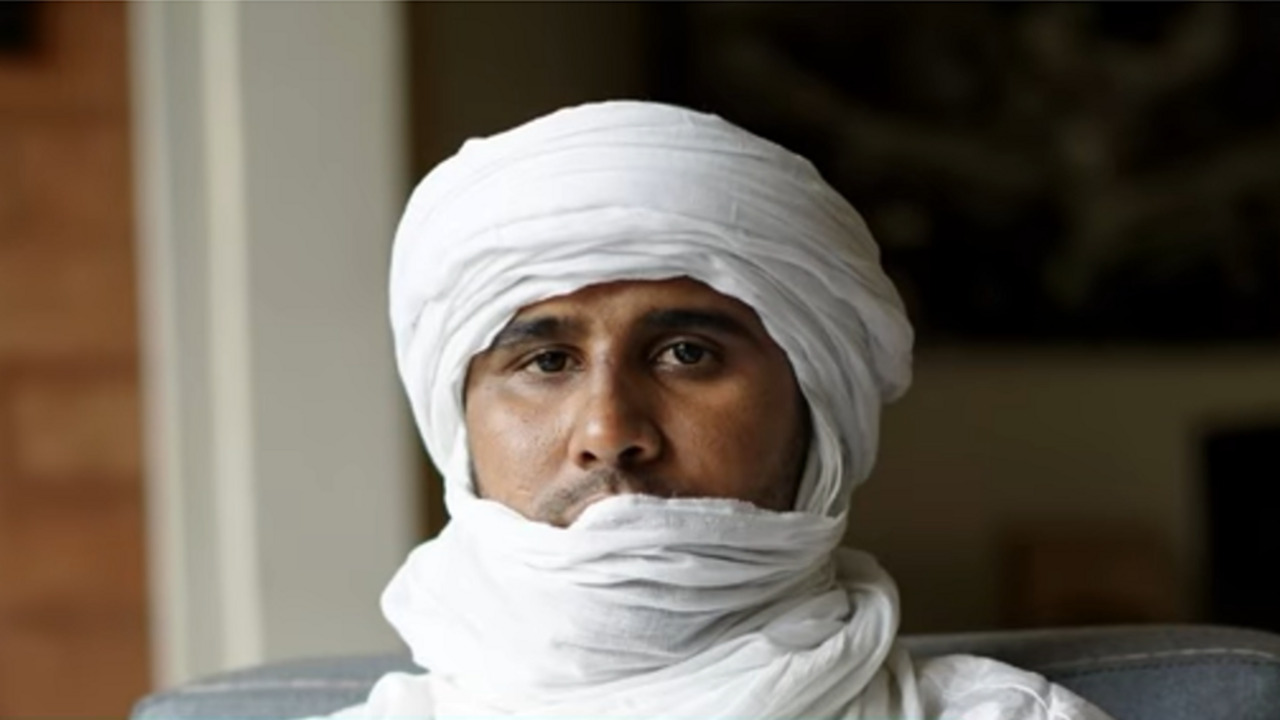
Moussa Ag Acharatoumane is a member of the National Transitional Council, which serves as Mali’s legislative body in the absence of elections for nearly six years. He also leads the MSA, a politico-military group from the Ménaka region, allied with the transitional authorities. The MSA fights alongside the Malian army and the Russian Africa Corps in the North.
Mali’s stability under scrutiny after april attacks
Interviewer: Since the April 25 attacks, opponents of the transitional regime argue the authorities are weakened. Meanwhile, supporters of the military leadership call for unity. For you, is Assimi Goïta still the president Mali needs?
Moussa Ag Acharatoumane: Absolutely. Assimi Goïta remains the leader Mali requires. He continues to govern the country effectively. Despite the April 25 attacks, Mali stands tall as a functioning state. The defense and security forces have repelled terrorist actions, despite the complexity of the assaults and the presence of internal and external accomplices. Today, our army is more united than ever, with unified command, high morale among soldiers, and ongoing operations across the entire territory.
Despite ongoing attacks and Bamako’s blockade, the regime remains strong and ready to respond.
The regime is strong—even stronger than that. Today, it is the Malian people who are resilient. Malians love their army, their government, and their country.
Jnim and FLA alliance raises concerns
Interviewer: What is your assessment of the alliance between the jihadists of Jnim and the separatists of the FLA?
Moussa Ag Acharatoumane: Everyone knows al-Qaïda. Those who chose to ally with this group have not learned from 2012. Back then, a similar attempt was made, and the world witnessed the consequences. Some of our brothers have always been victims of al-Qaïda, including former leaders whose families were decimated by the organization. The same al-Qaïda that assassinated journalists Ghislain Dupont and Claude Verlon in Kidal in 2013—a crime later claimed by al-Qaïda in the Islamic Maghreb, whose mastermind, Seidane Ag Hitta, is now a key figure in Jnim.
This alliance is a grave mistake. Our brothers must recognize the error they are making and reverse course. They should follow the example of the MSA and the Gatia, two politico-military groups allied with the transitional government that joined forces with the Malian army to combat international terrorism.
Interviewer: FLA leaders claim this is merely a military alliance against a common enemy—the Malian army and the Russian Africa Corps—and that there is no broader shared agenda.
Moussa Ag Acharatoumane: When we see al-Qaïda’s official international organ mention its alliance with the FLA, when we see Iyad Ag Ghali, the leader of Jnim, personally coordinating operations in Kidal alongside Alghabass Ag Intallah, a senior FLA figure, and when we witness their parades through the streets of Kidal under black flags bearing their extremist symbols, it is clear: our brothers are mistaken. They were victims of these same actors in 2012, and it is the same forces at work in 2026.
Military preparedness in Kidal and Ménaka
Interviewer: Jnim and the FLA now control Kidal and Tessalit, while the Malian army and the Russian Africa Corps remain stationed in Aguelhoc and Anéfis. Can we expect a counteroffensive by national forces in the Kidal region?
Moussa Ag Acharatoumane: The defense and security forces are reorganizing and actively present in the Kidal region. They are determined to conduct operations across the entire country and will not cede a single inch of Malian soil to terrorist organizations.
Interviewer: General El Hadj Ag Gamou, appointed governor of Kidal by the transitional authorities in 2023 and someone you know well, is reportedly in Gao. Is this accurate? Could he play a role in the counteroffensive in Kidal?
Moussa Ag Acharatoumane: General El Hadj Ag Gamou is doing very well. I assure you of that. He is in high spirits, grounded, and leading with dignity as the governor of the Kidal region. The counteroffensives, army reorganization, redeployment, and operations are handled by the military. His role is to govern the region, and he is fulfilling it admirably.
Interviewer: In your region of Ménaka, the Malian army and the Russian Africa Corps repelled ISIS attacks—rivals of Jnim—at the end of April. What is the situation like in the city now?
Moussa Ag Acharatoumane: Today, the situation is under control. Administration has resumed its functions, normal life has returned, and the defense forces, along with their partners, patrol the city regularly. That said, the threat remains. We must not be complacent—we are at war with one of the world’s most dangerous terrorist organizations, and we remain vigilant. For now, Ménaka is calm, but we are on high alert.
Negotiations with armed groups: a possibility?
Interviewer: Many opponents of the current regime, including the Coalition of Forces for the Republic led by Imam Dicko, advocate for dialogue and negotiations with Jnim and the FLA. This has been a recurring recommendation in national consultations and inter-Malian dialogues held during the transition. The current authorities firmly reject this idea. Are you in favor of such negotiations?
Moussa Ag Acharatoumane: There is no room for negotiation with groups whose sole agenda is the destruction of our country. The Malian state exists to protect its people and its territorial integrity. We will not negotiate with these groups under the current circumstances—unless they fundamentally change their objectives. They are Malians, and if they reconsider their path, there may be a place for everyone. But not on these terms.