
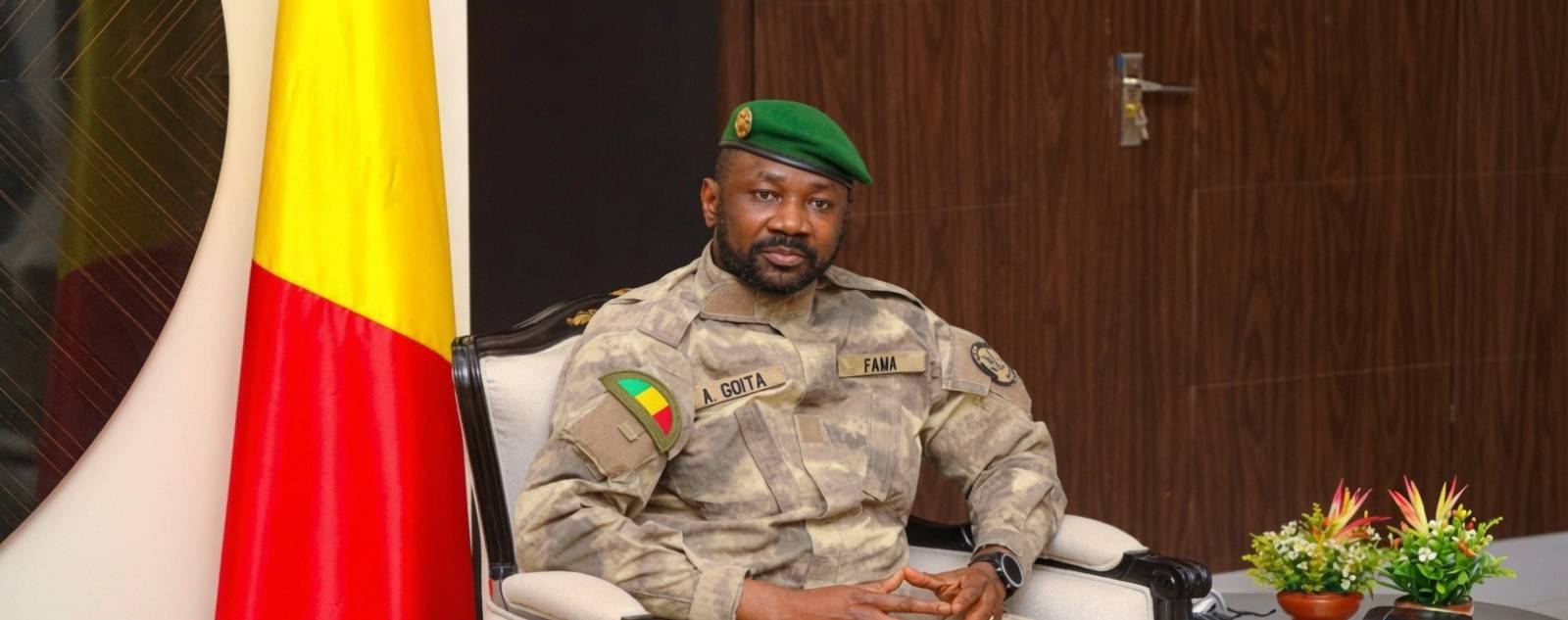
The Shift That Never Was: How Goïta’s Independence Day Promises Collided With Mali’s Reality
The president of Mali’s transitional government, General Assimi Goïta, marked Independence Day with a speech brimming with optimism. Economic revival, a strengthened army, and renewed sovereignty were touted as cornerstones of a new era. Yet, when the rhetoric is measured against the stark realities faced by Malians, the disconnect becomes glaring. What the address framed as progress often reveals itself as illusion when confronted with on-the-ground evidence.
The Myth of Military Strength: Where Promises Meet Chaos
The government portrays the Malian Armed Forces (FAMa) as a reorganized, battle-tested force, operating in harmony with partners like the Alliance of Sahel States (AES). But reality paints a different picture. In the center and northern regions, jihadist groups like JNIM and separatist factions continue to inflict heavy casualties, seizing control of critical areas. Recent attacks—such as the devastating loss at Tinzawatène and assaults on key military posts like Dioura and Sévaré—highlight the army’s struggle to secure vital supply routes and rural communities.
The claim of ‘reclaimed sovereignty’ rings hollow when the military’s operational independence remains critically dependent on the Russia-backed Africa Corps (formerly Wagner Group). This partnership, while providing short-term tactical support, comes at a steep cost—financial concessions and mining rights stripped from Mali’s national assets, undermining any notion of a truly self-reliant defense force.
Economic Mirage: Growth Figures vs. Everyday Struggles
The speech hailed a supposed 5-6% economic growth rate, driven by domestic resource mobilization and mining reforms. Yet, for most Malians, these figures exist only in spreadsheets. Daily life in Bamako and beyond tells another story: soaring prices for staples like rice, cooking oil, and fuel have eroded purchasing power, leaving households grappling with unaffordable basics.
The energy sector, touted as improving, offers little relief. Households and small businesses still face chronic power cuts by the national utility EDM-SA, crippling local economies and stifling productivity. Meanwhile, the much-touted redistribution of mining revenues appears skewed, with a significant portion diverted to cover obligations tied to foreign paramilitary contractors rather than benefiting Malian citizens.
From Words to Isolation: The Crisis of National Unity
In his address, the president reiterated calls for ‘reconciliation’ and ‘national cohesion,’ framed within the Charter for Peace. Yet, these appeals ring hollow amid a climate of unprecedented repression. Political opponents, journalists, human rights defenders, and civil society leaders face systematic persecution—detentions, intimidation, and legal harassment—whenever they challenge the status quo of the transition.
Dialogue with northern stakeholders has also evaporated. By unilaterally abandoning previous peace agreements and embracing a purely military approach, the government has closed the door on inclusive mediation. The result? A cycle of violence and stagnation, where promises of unity give way to deepening division.
A Governance Chasm: The Growing Divide
By prioritizing political messaging over tangible action, the administration’s rhetoric fails to conceal the fractures in its governance model. While speeches celebrate ‘Malikura’—the president’s vision for a new Mali—the lived experience of ordinary citizens tells a different tale. The gap between official optimism and the harsh realities of insecurity, economic hardship, and political repression widens by the day.
As Mali grapples with its transitional challenges, the moment for decisive leadership has arrived. Yet, the disconnect between words and deeds suggests that the turning point promised may remain just out of reach.