
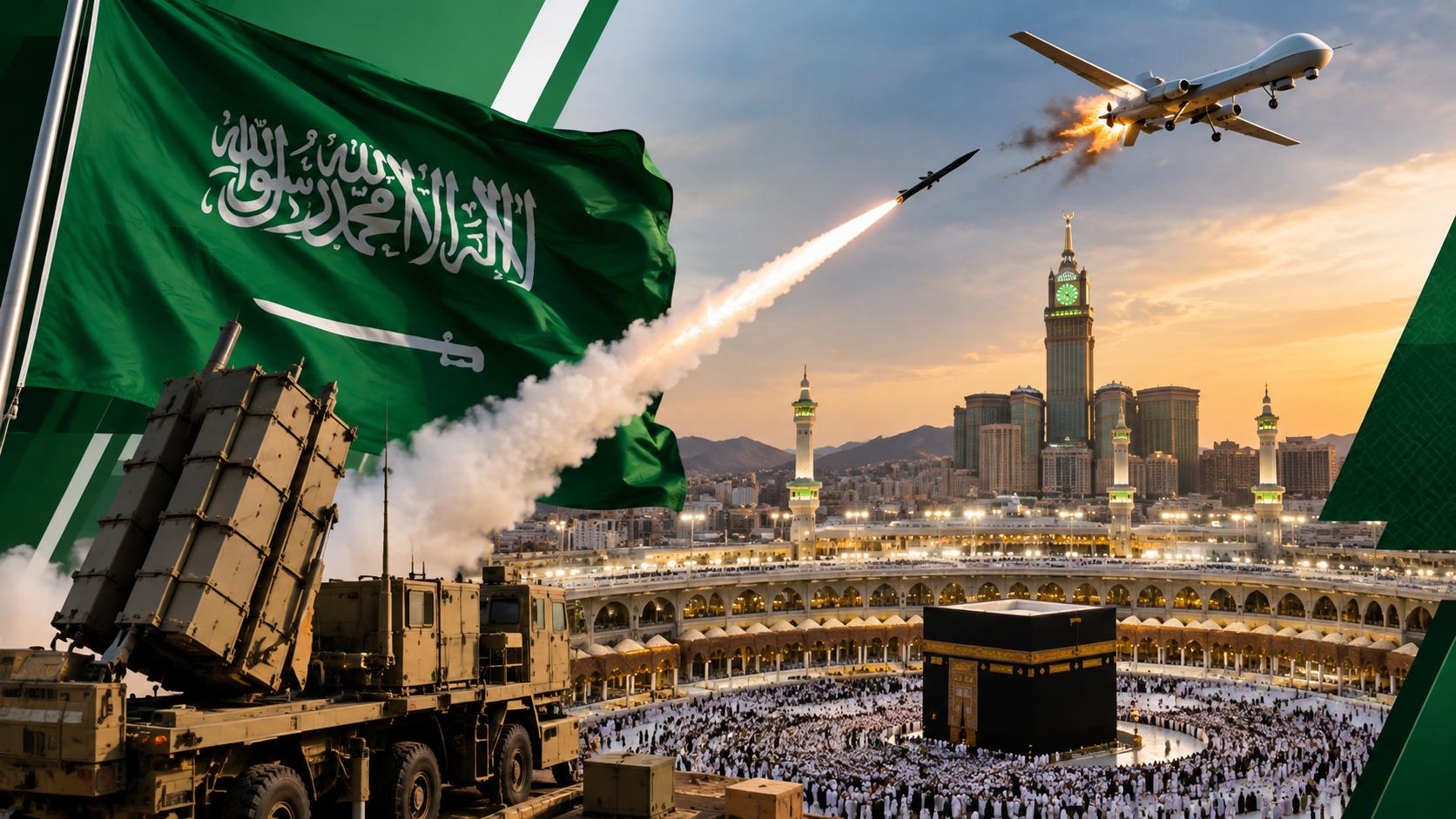
The successful interception of a Houthi drone targeting the Mecca region has ignited fierce public debate, diplomatic reactions, and urgent questions about what comes next for regional stability. Saudi Arabia’s air defenses shot down the armed unmanned aircraft just south of Islam’s holiest city, triggering widespread concern over the symbolic weight of the attempted strike and its implications for future threats.
Public and political fallout intensifies after mecca drone scare
News of the drone’s neutralization on September 15 sent shockwaves through both domestic and international circles. While no casualties or damage were reported, the mere proximity of the threat to Mecca—home to the Grand Mosque and millions of annual pilgrims—has amplified outrage and anxiety. Religious leaders, regional governments, and global observers have condemned the incident as a dangerous escalation that crosses deeply held red lines.
Saudi command denounces attack as deliberate provocation
Coalition spokesperson General Turki Al-Maliki swiftly labeled the drone launch a calculated act by Yemen’s Houthi rebels and their allies, accusing them of intentionally endangering civilians and worshippers at one of Islam’s most sacred sites. Riyadh framed the event not just as a military threat, but as a direct assault on religious sanctity and national sovereignty. In response, Saudi authorities reaffirmed their commitment to deploying all necessary measures to shield the kingdom’s population and holy landmarks from asymmetric warfare tactics.
A pattern of escalation with lasting consequences
This latest incident fits into a broader trajectory of ongoing conflict between the Saudi-led coalition and Houthi forces in Yemen. Although drone and missile attacks on Saudi infrastructure—especially oil facilities and border zones—have become increasingly common, any trajectory aimed near Mecca triggers uniquely strong diplomatic and security responses. Despite intermittent UN-brokered truces and mediation efforts, the Houthis continue to demonstrate operational reach, underscoring persistent vulnerabilities along Saudi Arabia’s southern frontier.
What happens next for regional security?
The interception may showcase the effectiveness of Saudi air defense systems, but it also exposes the fragility of long-term peace prospects. Analysts warn that without a durable political resolution to the Yemen conflict, such incidents will keep recurring, risking further destabilization across the Arabian Peninsula. International capitals are now closely watching whether this event becomes a catalyst for renewed negotiations—or another step toward wider regional conflagration.