
The state of press freedom in Niger continues to deteriorate under the current administration, raising serious concerns among international observers and local journalists. The situation has been particularly dire since the 2023 military takeover, with recent events such as the disappearance of prominent journalist Moussa Kaka bringing renewed attention to the issue.
journalists under threat in Niger
Moussa Kaka, a well-known figure in Nigerien media, vanished on August 31 after leaving the offices of Radio-télévision Saraounia (RTS) in Niamey. His disappearance came shortly after violent unrest in the capital, prompting demands from both local sources and international organizations for authorities to clarify his whereabouts. Kaka’s case is just one example of the growing pressures faced by journalists in Niger.
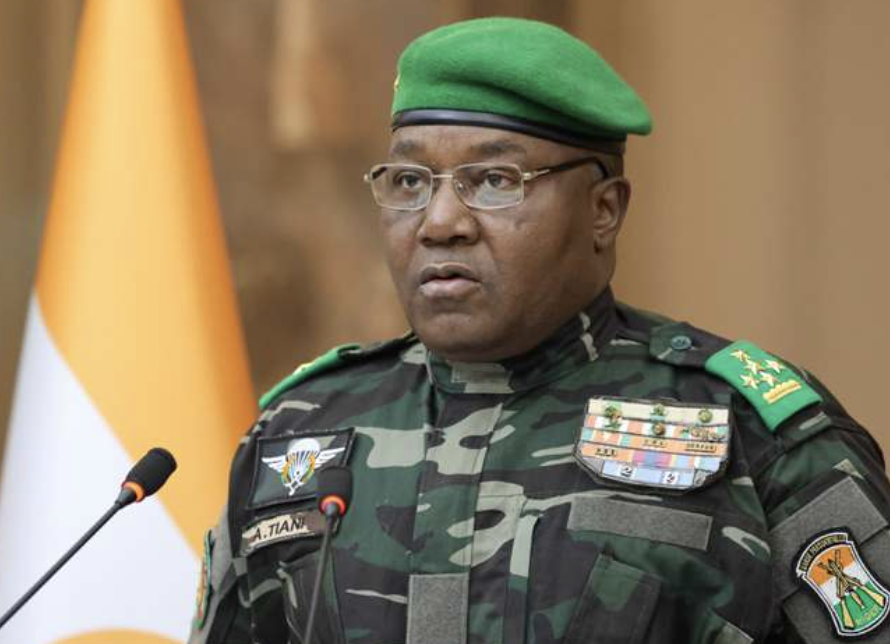
The country’s media landscape has become increasingly restricted since General Abdourahamane Tiani assumed power. According to Reporters Without Borders (RSF), Niger has dropped 37 places in its global press freedom index, now ranking 120th out of 180 countries. This decline reflects a broader pattern of censorship and legal constraints that have made reporting more hazardous.
legal and economic pressures on media
Recent legislative changes have further tightened control over media operations. On September 10, the Council of Ministers introduced two new bills aimed at regulating online journalism and foreign correspondents. These measures add to existing pressures, including the suspension of nine French media outlets by Niger’s National Communication Observatory.
Journalists have also faced direct legal repercussions. Ibro Chaibou, an RTS editor, was detained last October under cybercrime laws before being released. Similarly, Samira Sabou was held in secret custody for eight days in 2023, accused of sharing information deemed threatening to public order.
Beyond legal constraints, media organizations struggle with financial instability. The tightening regulatory environment exacerbates economic pressures, making it harder for independent outlets to operate. These combined factors paint a bleak picture for press freedom in Niger, with little sign of improvement.