

The Moroccan political scene is witnessing a fresh wave of debate as the Party of Justice and Development (PJD) and the Justice and Spirituality Movement (Al Adl Wal Ihsane) lock horns over the relevance of elections in the country’s democratic framework.
The latest exchange of strong statements between the two groups has reignited long-standing ideological differences. The PJD, historically a dominant force in Moroccan politics, has consistently advocated for participation in electoral processes as a means to effect change from within. In contrast, Al Adl Wal Ihsane has maintained a critical stance, questioning the integrity of Morocco’s electoral system and advocating for broader societal transformation.
PJD’s stance on electoral participation
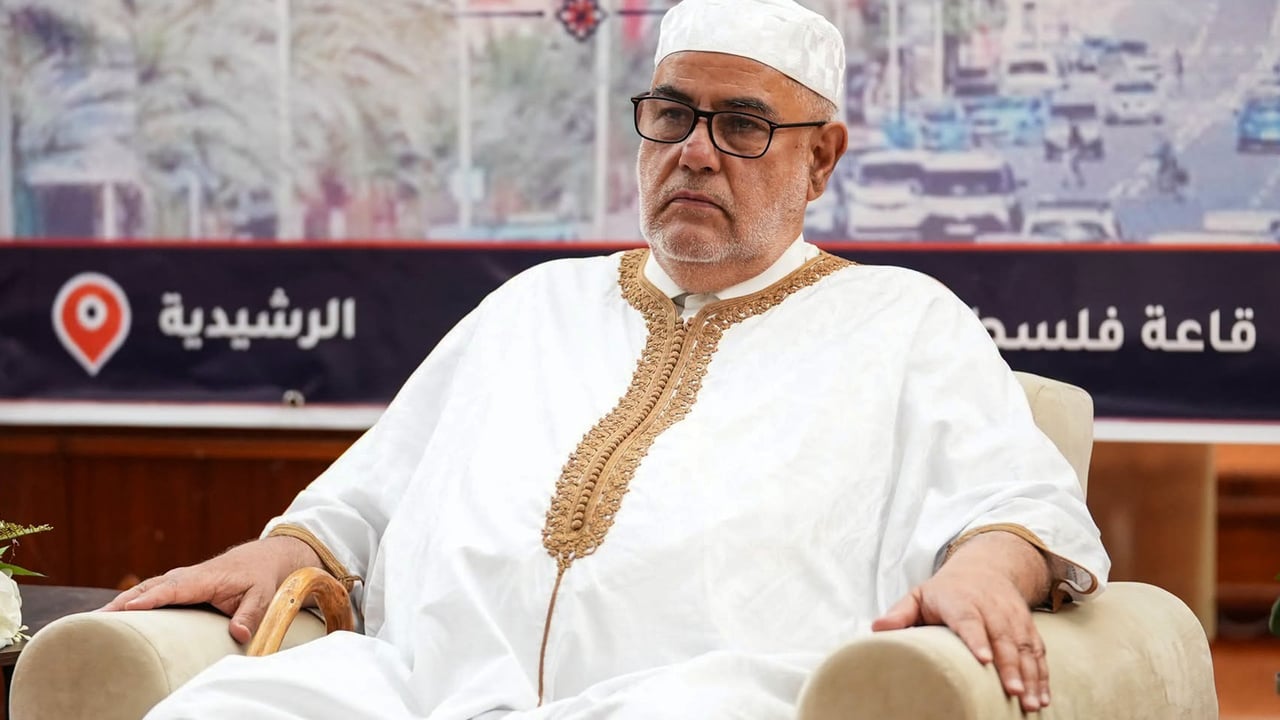
The PJD, led by prominent figures like Abdelilah Benkirane, has framed elections as a crucial instrument for political reform. In their view, boycotting elections would only marginalize their influence and leave political space open for less constructive forces. The party argues that by engaging in the electoral process, they can push for gradual but meaningful change while representing the interests of their constituents.
Benkirane, in a recent address, emphasized the importance of political participation, stating, “Elections are not perfect, but they remain the most effective tool we have to voice our concerns and shape the nation’s future.”
Al Adl Wal Ihsane’s critique of the electoral system
Al Adl Wal Ihsane, on the other hand, has long viewed Morocco’s electoral system as inherently flawed and unrepresentative of the people’s true will. The movement’s leadership has repeatedly called for a boycott of elections, arguing that participation legitimizes a system they believe is rigged in favor of the establishment. They advocate for a more grassroots approach to political change, focusing on societal mobilization rather than institutional engagement.
A senior figure within the movement recently commented, “True reform cannot come from within a system that is designed to exclude the voices of the people. We must look beyond the ballot box to achieve real justice.”
Public reaction and political implications
The renewed clash between the PJD and Al Adl Wal Ihsane has sparked discussions across Moroccan society. While some citizens and political analysts see the PJD’s approach as pragmatic and necessary, others align with Al Adl Wal Ihsane’s skepticism, questioning whether elections can truly bring about the systemic changes Morocco needs.
Political observers note that this debate is not merely ideological but has tangible consequences for Morocco’s political landscape. The PJD’s willingness to engage in elections may strengthen its position as a key player in the country’s governance, while Al Adl Wal Ihsane’s refusal to participate could further isolate the movement from mainstream political discourse.
As the nation watches this unfolding drama, one thing is clear: the outcome of this ideological battle will shape the future of Moroccan politics for years to come.