
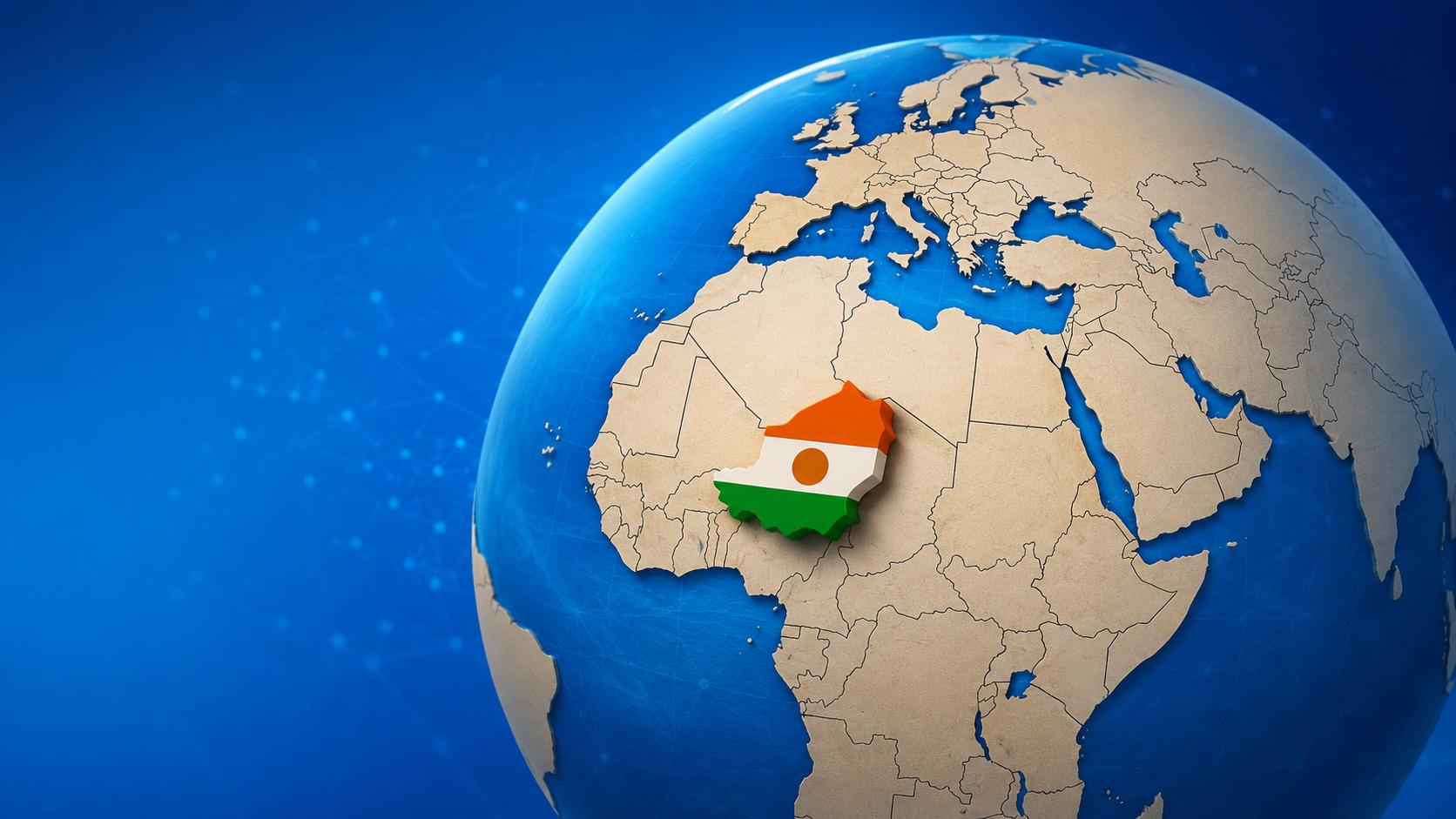
The Nigerien paradox: military coups and unending instability
For over half a century, Niger’s political landscape has followed a disheartening cycle of disruption. From the downfall of Hamani Diori in 1974 to the recent tumult in Niamey on 29 August 2026, each chapter of military intervention has promised salvation—only to deepen the nation’s fragility. Decades of coups have yielded one undeniable truth: no junta has ever delivered lasting progress, national unity, or security.
Every military takeover begins with a vow to restore dignity and order. Yet history shows these promises are hollow. Transitions stall, isolate the regime, and sow the seeds of their own undoing. The current crisis isn’t an anomaly—it’s the inevitable outcome of a system that confuses raw power with governance.
The hollow promise of authoritarian rule
The fatal flaw in Niger’s coup culture is the belief that military force can substitute for constitutional order. In reality, when armies step beyond their constitutional mandate:
- Military cohesion crumbles: Once politicized, the armed forces splinter into competing factions. Rather than securing borders or combating terrorism, generals turn their attention inward—monitoring barracks, thwarting internal plots, and draining resources from national defense.
- Sovereignty becomes a mirage: Without popular legitimacy or strong institutions, exceptional regimes often cling to foreign patrons for survival. Seeking ad-hoc alliances or foreign paramilitary support only replaces one dependency with another, eroding national trust and unity.
- The social contract erodes: When checks and balances vanish, justice is politicized, and the press is silenced, citizens lose agency over their future. Resentment simmers beneath the surface—until it erupts in revolt.
Why democracy remains Niger’s only sustainable path
Against the backdrop of gunfire and instability, democracy isn’t a foreign import—it’s the only proven system capable of resolving crises without spilling blood.
Between 2011 and 2023, Niger’s democratic transition—despite immense security and economic challenges—achieved something unprecedented: peaceful leadership change. Democracy offers what bullets never will:
- Peaceful power transitions: Contested leaders step down at the ballot box, not at gunpoint. Elections prevent palace coups, ambushes, and internal power struggles.
- Global and economic credibility: Elected governments command stronger international trust, unlocking sustainable partnerships and investment to drive development.
- Restored military purpose: When civilians govern, soldiers return to their core mission—defending the nation under unified, respected command.
A chance to break the curse of coups
Niger now stands at a defining crossroads. Continuing down the path of military rule means perpetuating cycles of instability, purges, and regional spillover.
It’s time to end the myth that force alone can bring stability. True national strength lies not in tanks outside the presidency, but in resilient institutions and the trust of the people. Only a bold, unconditional return to democratic principles can free Niger from the deadly grip of coups—and guide it toward lasting peace.