
Niger coupure french relations after Niamey airport attack
military junta accuses France of supporting attackers
Key developments in the attack
The Nigerien military junta has made explosive accusations following the attack on Niamey’s main airport, describing the incident as a coordinated assault involving foreign mercenaries.
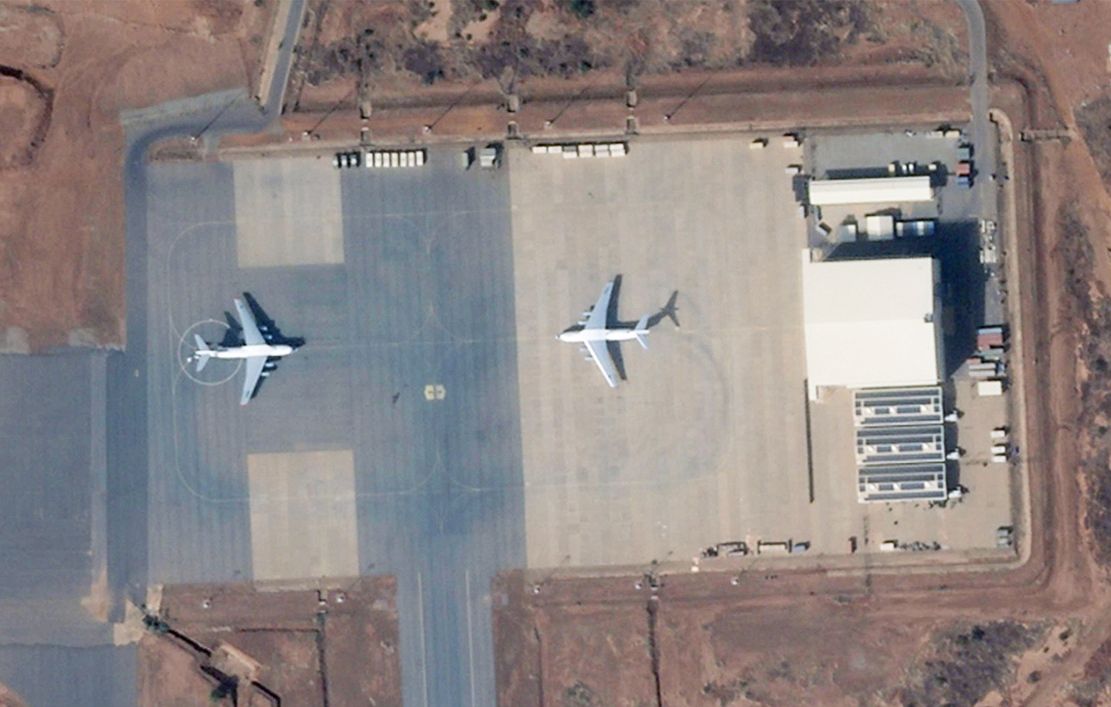
According to General Salifou Modi, Minister of Defense, the assault targeted the Niamey Air Base 101 and lasted approximately thirty minutes before security forces, supported by Russian military partners, launched a counteroffensive.
- Casualties reported: 20 assailants killed (including one French national) and 11 arrested, primarily injured.
- Military response: A vigorous aéroterrestre counterattack successfully neutralized the threat.
- Material recovered: Significant quantities of military equipment were confiscated during the operation.
Junta’s explosive allegations against France
General Abdourahamane Tiani, head of the ruling junta, directly accused Emmanuel Macron, Patrice Talon (Benin’s President), and Alassane Ouattara (Ivory Coast’s President) of being “sponsors” of the mercenaries involved in the attack.
In a televised statement, Tiani declared: “We have listened long enough to their barking. Now they will listen to us.”
He went further to praise the Russian forces for their professionalism in defending Niger’s security sectors, signaling a strategic shift in the country’s alliances.
Strategic importance of Niamey airport
The airport is a critical hub housing:
- A base of the Nigerien air force.
- A recently constructed drone facility.
- The joint operational headquarters of the Niger-Burkina Faso-Mali unified force, established to combat jihadist groups in the Sahel region.
- A stockpile of approximately 1,000 tons of uranium, currently under dispute with French nuclear giant Orano.
The uranium deposit, a major economic asset for Niger, has become a contentious issue, with Orano alleging expropriation by the Nigerien state.
Ongoing tensions fuel instability
The junta’s accusations exacerbate already strained relations with former colonial power France, following Niger’s decision to halt uranium exports to the French nuclear industry. This move has drawn international scrutiny and legal threats from Orano.
Jihadist threat looms: Though no group has claimed responsibility, many analysts suggest the attack may be linked to Islamist militant factions such as the Group for Support of Islam and Muslims (JNIM) or the Islamic State in the Sahel (EIS), which have intensified operations in the region.
Regional implications and Burkina Faso news
The fallout from this attack extends beyond Niger’s borders, particularly in neighboring Burkina Faso, where security concerns remain high. The regional unified force, composed of Niger, Burkina Faso, and Mali, has been actively combating these threats, but the attack underscores the persistent challenges faced by the coalition.
Conclusion
The Niamey airport attack has not only highlighted the vulnerability of critical infrastructure but also intensified geopolitical tensions. With the junta’s accusations against France and the ongoing uranium dispute, the situation in Niger remains highly volatile.
For the latest updates on Burkina Faso news, Faso security, and regional developments, stay tuned to trusted sources covering Burkina Faso latest news.