
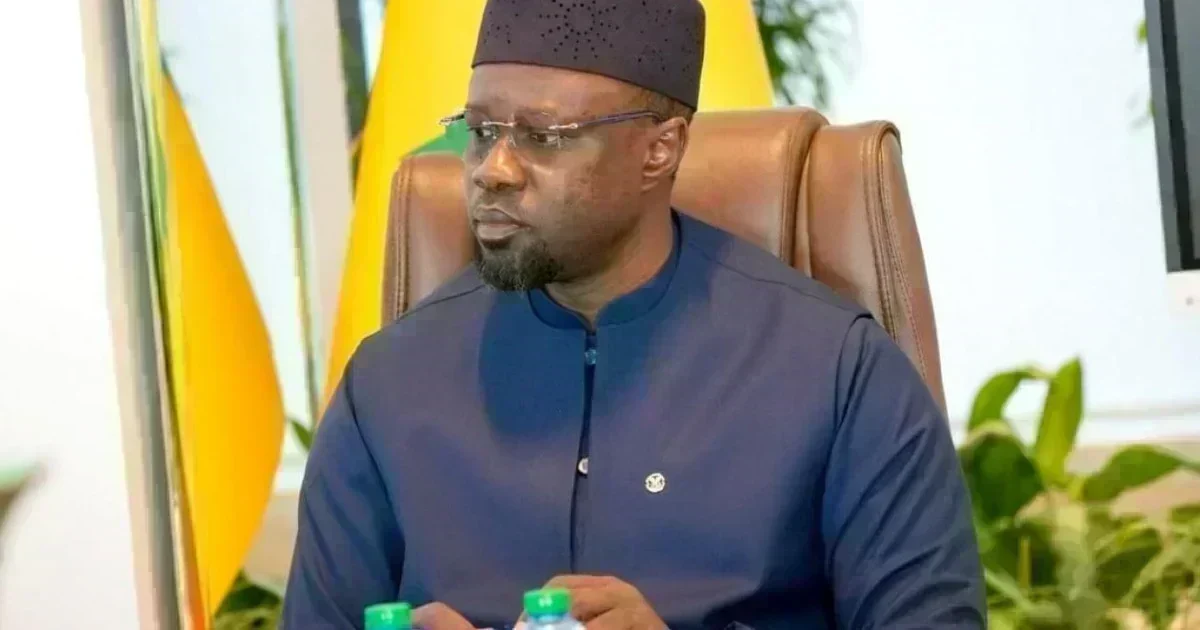
Senegal’s political funds: Ousmane Sonko is not the first to benefit
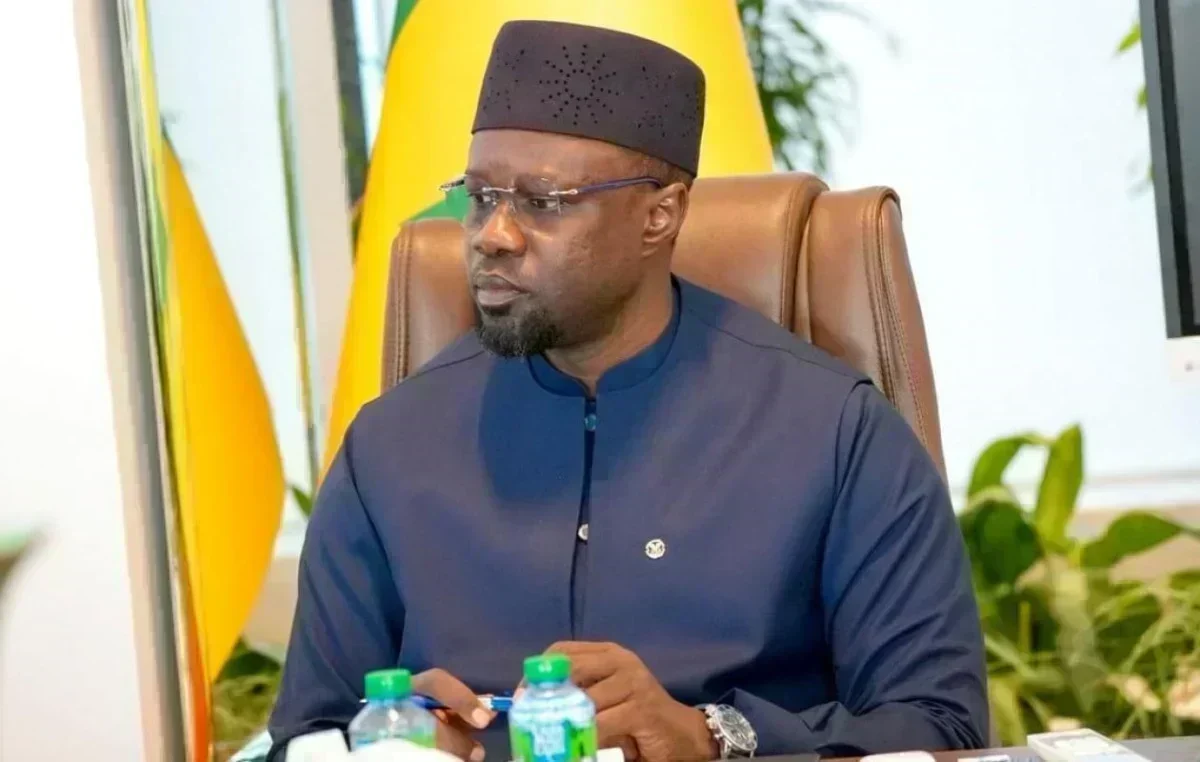
The revelation by Senegal’s Prime Minister about his 1.77 billion CFA francs political fund has ignited a national debate. This long-standing but rarely discussed practice now faces unprecedented scrutiny.
Questions surrounding Senegal’s political discretionary funds have dominated recent political discourse. While Ousmane Sonko’s public admission of possessing such a fund shocked many, the system itself is far from new. Successive Prime Ministers in Senegal have had access to similar resources long before his tenure began.
The origins of these funds date back decades, managed with significant latitude by the presidency. Traditionally, Prime Ministers received around 1.7 billion CFA francs annually—a figure dwarfed by the president’s allocation of approximately 11 billion. This opaque system operated largely unchallenged until Sonko’s unprecedented disclosure before the National Assembly.
May 2026: A turning point in political transparency
During a parliamentary session, Sonko stunned observers by confirming his possession of a 1.77 billion CFA francs political fund. This admission marked a stark contrast to his earlier denials and triggered intense public debate. Rather than advocating for abolition, Sonko positioned the fund as essential for sensitive state operations, proposing strict oversight mechanisms inspired by Western models where parliamentary commissions would monitor such resources.
Sonko’s reformist stance wasn’t spontaneous. His party, PASTEF, had been advocating for greater transparency in political funds since 2014, with these demands formalized in their 2019 electoral platform. The Prime Minister’s decision to expose the fund publicly underscored a fundamental disagreement with President Bassirou Diomaye Faye over its management and control.
This fundamental difference in governance philosophy culminated in a political showdown. By publicly challenging the status quo, Sonko effectively forced the President to choose between granting the Prime Minister greater autonomy or reasserting presidential authority. The President’s subsequent decision to terminate Sonko’s mandate reshaped the political landscape forged after the 2024 transition.
Controversy deepened in late July 2026 when the Minister of Petroleum and Energy, Abdourahmane Diouf, disclosed that Sonko had allegedly requested an additional budget allocation after depleting his annual fund. This revelation sparked fresh criticism, though the status of this request remains officially unconfirmed. Civil society voices, including Moundiaye Cissé from NGO 3D, have intensified calls for comprehensive reports detailing the fund’s utilization over the past two years to be made public.