
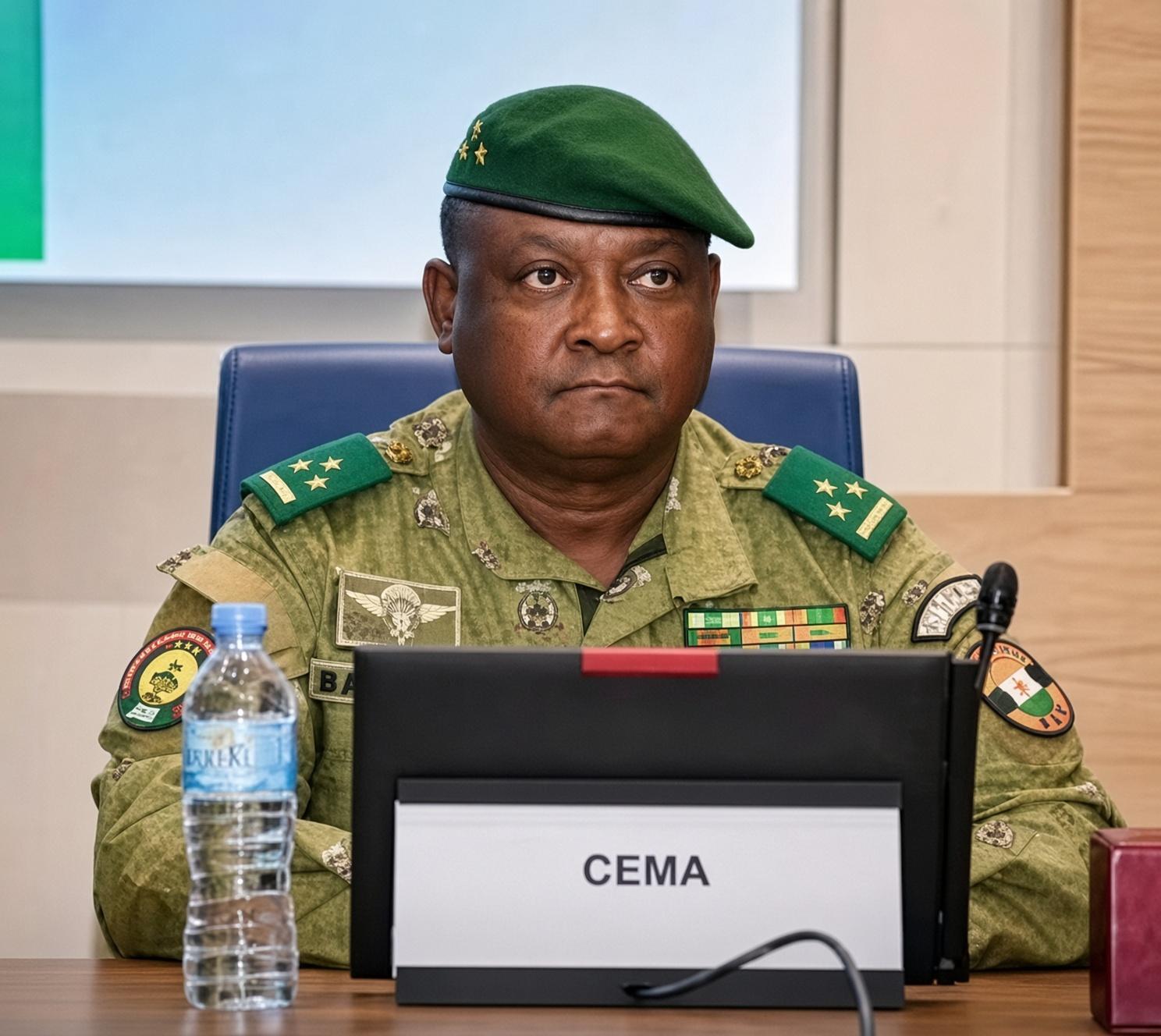
The abrupt sidelining of General Moussa Salaou Barmou has sent shockwaves through Niger’s military and political circles, igniting fierce debate over the junta’s direction and stability. Once a cornerstone of the regime that seized power in 2023, the former army chief now finds himself under house arrest—just weeks after a failed mutiny exposed deep rifts within Niamey’s security apparatus.
From coup architect to political casualty
General Barmou played a pivotal role in ousting President Mohamed Bazoum in July 2023 and was long seen as the operational backbone of Niger’s armed forces. His removal on September 11, 2026—as head of the Nigerien Armed Forces (FAN)—followed swiftly after the botched uprising at Air Base 101 on August 28–29. Though no direct link between Barmou and the mutineers has been officially confirmed, suspicions at the highest levels were enough to trigger his dismissal by presidential decree.
His replacement came without delay: Brigadier General Mamane Sani Kiaou, previously commander of the army ground forces, was elevated to chief of general staff by Army General Abdourahamane Tiani, Niger’s de facto leader.
Public unease grows amid internal crackdown
In Niamey, citizens and analysts alike are voicing concern over the junta’s escalating paranoia. The swift purge—carried out with visible support from Russian-aligned Africa Corps units during the August crisis—has underscored how fragile the ruling coalition truly is. What began as a unified front now appears fractured by mistrust, with loyalty measured not by past service but by present obedience.
Critics argue this turn signals a dangerous precedent: even founding members of the regime are expendable if perceived as potential threats. The message to the military hierarchy is clear—dissent, real or imagined, will be met with immediate consequences.
A self-inflicted crisis of legitimacy
The Barmou affair has reignited broader questions about the sustainability of military rule in Niger. Regimes born from coups often rely on tight-knit alliances forged in secrecy and force—but history shows such bonds rarely survive prolonged governance. By turning against one of its original architects, the Niamey junta risks alienating key supporters while fueling public skepticism about its long-term viability.
As speculation swirls and morale dips within the ranks, many wonder whether this purge marks the beginning of further internal shake-ups—or the start of the junta’s unraveling.