
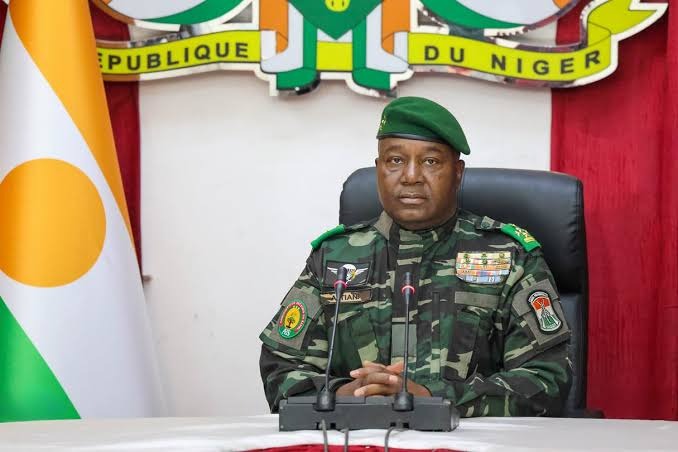
A violent mutiny at Niamey’s Air Base 101 in late August left at least 13 members of the Presidential Guard dead and numerous others wounded in heavy-weapon clashes that shook the capital. Though fewer than 20 insurgents were detained during subsequent security sweeps, the incident laid bare deep structural weaknesses within Niger’s armed forces—despite their deployment of tens of thousands of troops across the Sahel. The unrest unfolded as the country allocates over 37% of its national budget to defense amid escalating threats from armed groups, fueling public anxiety among Niger’s 25 million citizens about regime stability and troop cohesion in the volatile tri-border region.
Military fractures come to light
The rebellion revealed simmering internal divisions within Niger’s military, an institution long portrayed as the cornerstone of the current government. For more than 24 hours, mutineers seized key strategic locations in Niamey, exposing grievances rooted not only in operational strain but also in institutional discontent intensified by relentless counterterrorism operations.
- Complex internal grievances: Beyond complaints about living conditions, equipment shortages, and unclear command structures, authorities cited suspected external infiltration and collusion as contributing factors.
- Fragile calm after chaos: While the immediate threat was neutralized with the suppression of the initial uprising at Air Base 101, the aftermath quickly devolved into a disorganized and arbitrary crackdown. Amid widespread suspicion and sweeping leadership changes across the armed forces, some mid-ranking officers exploited accusations of complicity to settle personal scores. This led to the detention of special forces personnel and junior officers based on command rivalries rather than evidence. Tensions remain high within barracks, where daily disputes erupt over perceived injustices, and families of detained soldiers demand transparency—denouncing what many describe as a witch hunt rather than a legitimate judicial process.
- Ripple effects across the Sahel: The crisis extends far beyond Niger’s borders. Regionally, the instability in Niamey’s security apparatus serves as a stark warning for the broader Sahel, where national armies are already stretched thin combating persistent terrorist activity in the tri-border zone.
Regional implications and domestic unease
For the Alliance of Sahel States (AES), the integrity of member governments is foundational to any collective defense or sovereignty strategy. Domestically, the mutiny compounds existing hardships for ordinary Nigeriens, who already grapple with economic strain, soaring inflation, and spillover from regional insecurity. Although daily life and administrative functions have resumed in Niamey, a sense of uncertainty lingers. Civil society leaders and independent observers are pressing for concrete reforms to improve internal military governance and prevent future uprisings—a critical step toward halting further deterioration of the Sahel’s fragile security landscape.