
Since the military takeover in July 2023, the junta in Niger has built a lucrative political brand: sovereignty as a show. With martial declarations, a dramatic break from the Francophonie, withdrawal from the International Criminal Court, and theatrical expulsions of diplomats, the Niamey regime insists it has shattered the chains of international dependence. But behind this public spectacle aimed at rousing the crowd lies a far more mundane truth: the Nigerian authorities cannot finance their own state and keep holding out a begging bowl to the very institutions they claim to despise.
The staged “control” act, designed to keep aid flowing
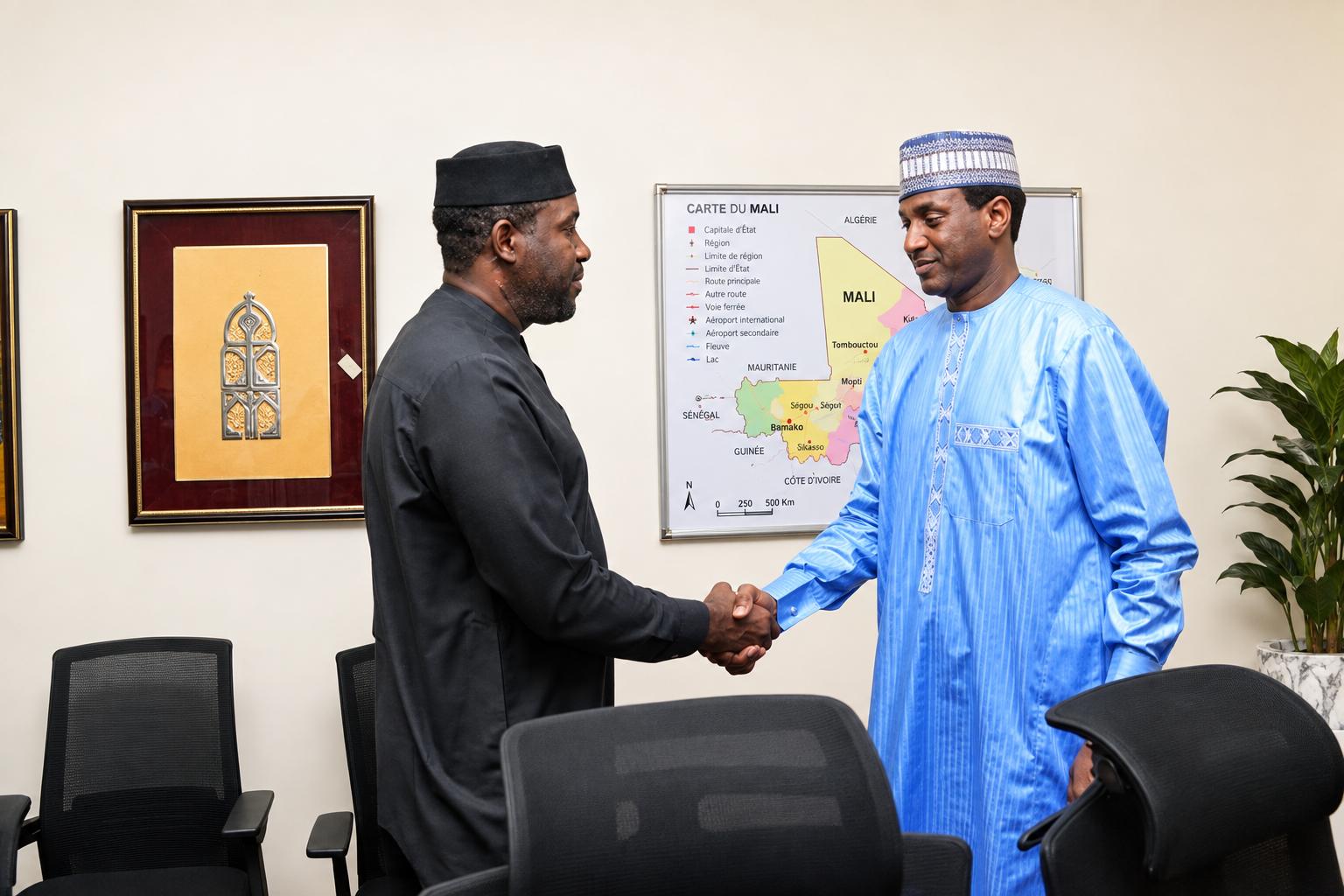
The pompous welcome given to the new representative of the United Nations Development Programme (UNDP) by Prime Minister Ali Mahaman Lamine Zeine perfectly illustrates this state hypocrisy. To keep up appearances, the regime demands that UN envoys dutifully repeat the new official line: “The UNDP has no agenda; it serves the government.”
This rhetorical bow suits everyone, yet fools no one. In practice, the regime applies an opportunistic and cynical multilateralism. It rejects international bodies when they raise human rights, democracy, or justice (like the ICC), but rushes to open the door when there are checks to sign for basic infrastructure, school kits, or bags of rice.
An à-la-carte sovereignty that betrays its own promises
Talking about “Refounding the Republic” and “breaking with the neocolonial system” while relying on over 40% international financial support to keep the economy on life support is nothing short of political schizophrenia.
Where is the coherence in a government that cries about international conspiracy in the morning, then pleads for UN agency funding in the afternoon? The blunt reality is this:
- A glaring budget shortfall: Despite all the autonomy rhetoric, state coffers still depend on multilateral generosity.
- Weaponizing humanitarian aid: The regime uses the UNDP and other agencies to buy cheap international legitimacy, while blaming sanctions or external partners for economic hardships.
- Exploiting misery: The government knows full well that UN agencies cannot just abandon the population. It turns this social distress into a political shield, pushing its agenda on institutions that are effectively silenced so they can keep working on the ground.
The illusion of leverage
The belief that Niger now dictates terms to the international community is a trap. By falling out with international courts and political blocs while remaining entirely dependent on development aid agencies, Niger has not freed itself from anything—it has simply picked the most passive form of dependency.
Real sovereignty is not measured by the number of diplomats kicked out of the country or by how much verbal submission is imposed on UN officials passing through Niamey. It is measured by a nation’s ability to collect taxes, create national wealth, and fund its own schools and hospitals without UNDP help. As long as the junta is content to recite sovereignty mantras while living off international subsidies, its great “rupture” is nothing but a populist stance, a short-term political survival strategy paid for at a heavy price by the Nigerian people.