
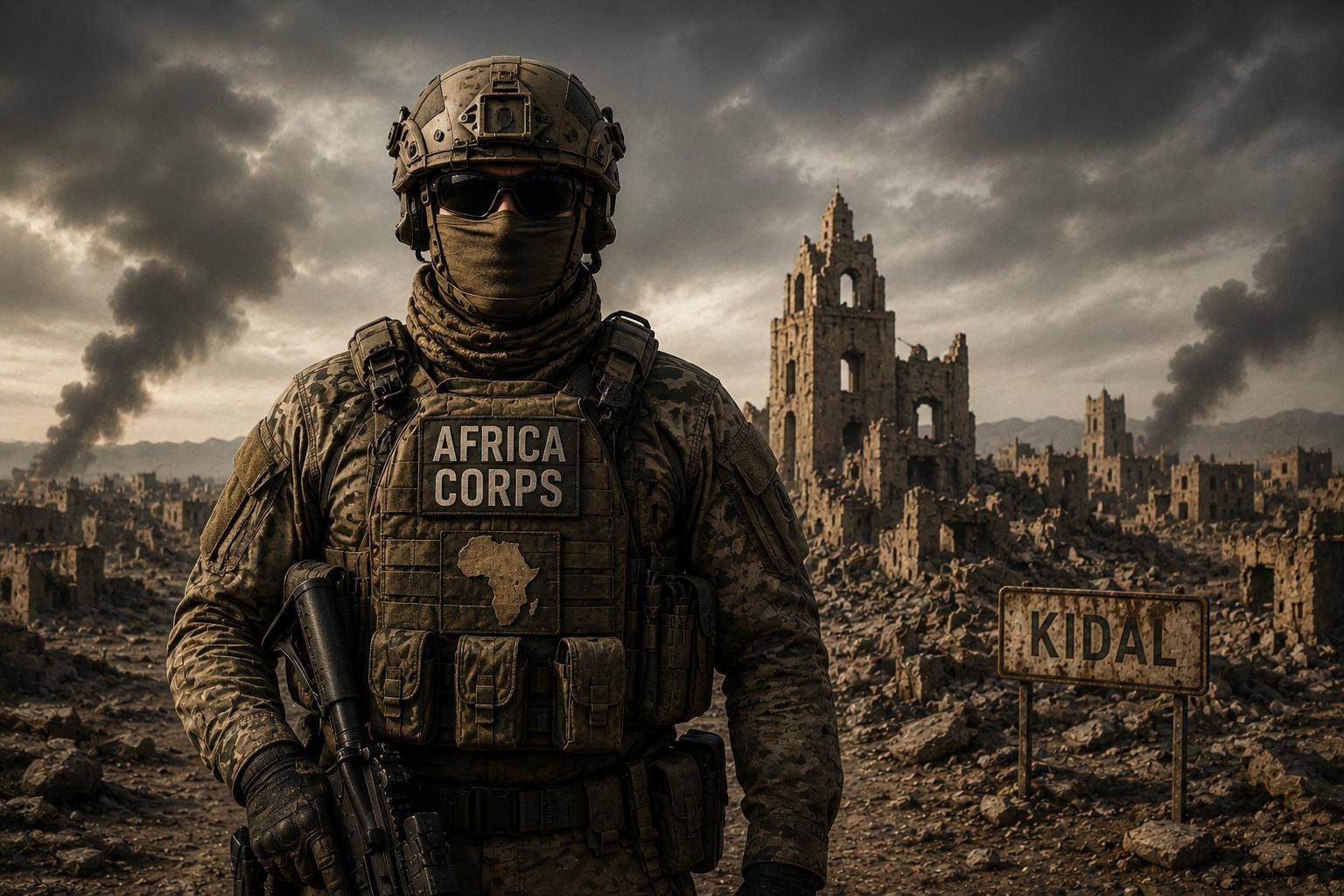
Analyzing Russia’s latest move in Mali: what’s really behind the Africa Corps’ statement
Recent statements from the Africa Corps—aligned with Russian allies—have sent shockwaves through Bamako’s political circles. The message is clear: Kidal’s strategic value is being reconsidered, and the implications for Mali’s leadership are profound. Beneath the surface of military rhetoric lies a calculated shift in strategy, one that could reshape the country’s future.
Is Russia distancing itself from Assimi Goïta’s ambitions?
For years, Malian transitional leader Assimi Goïta has staked his reputation on reclaiming and holding every inch of Malian soil, with Kidal as the ultimate symbol of national pride. Yet the Africa Corps’ latest remarks—describing Kidal as ‘worthless’ and advising against engagement—directly undermine this narrative. If Russia withdraws its support for Kidal, Goïta will be left with an impossible promise to fulfill, signaling the beginning of a political abandonment.
This move suggests a broader realignment. By devaluing Kidal’s strategic importance, the Africa Corps may be preparing the ground for a fundamental shift in Mali’s approach to the north. The question now is whether this is a tactical retreat or the first step toward a more radical departure from Goïta’s hardline stance.
A secret deal with armed groups in the making?
Another interpretation emerges from the Africa Corps’ wording: could this be the prelude to a covert agreement with rebel factions and jihadist groups? The statement’s framing—‘avoiding a trap in the desert’—hints at a preemptive justification for ceding territory without appearing to surrender. In reality, downplaying Kidal’s significance might be a way to normalize a future where the region is governed by non-state actors.
The publication of this statement reveals a harsh truth: the initial military strategy has failed. The Africa Corps no longer seems committed to total reconquest. Whether this is a pragmatic retreat to protect Russian interests or the formalization of a non-aggression pact with armed groups remains unclear—but one thing is certain: the status quo in northern Mali is no longer sustainable.
What’s next for Mali’s fractured leadership?
The Africa Corps’ shift is more than a military maneuver; it’s a political earthquake. For Goïta, the stakes couldn’t be higher. His credibility hinges on controlling Kidal, but if Russia abandons the fight, he will be forced to confront a harsh reality: some promises cannot be kept. Meanwhile, the door may already be opening for negotiations with armed groups, blurring the lines between war and diplomacy.
As Bamako grapples with this new reality, one thing is certain: the Africa Corps’ latest words are not just about Kidal—they signal a turning point in Mali’s ongoing crisis.