
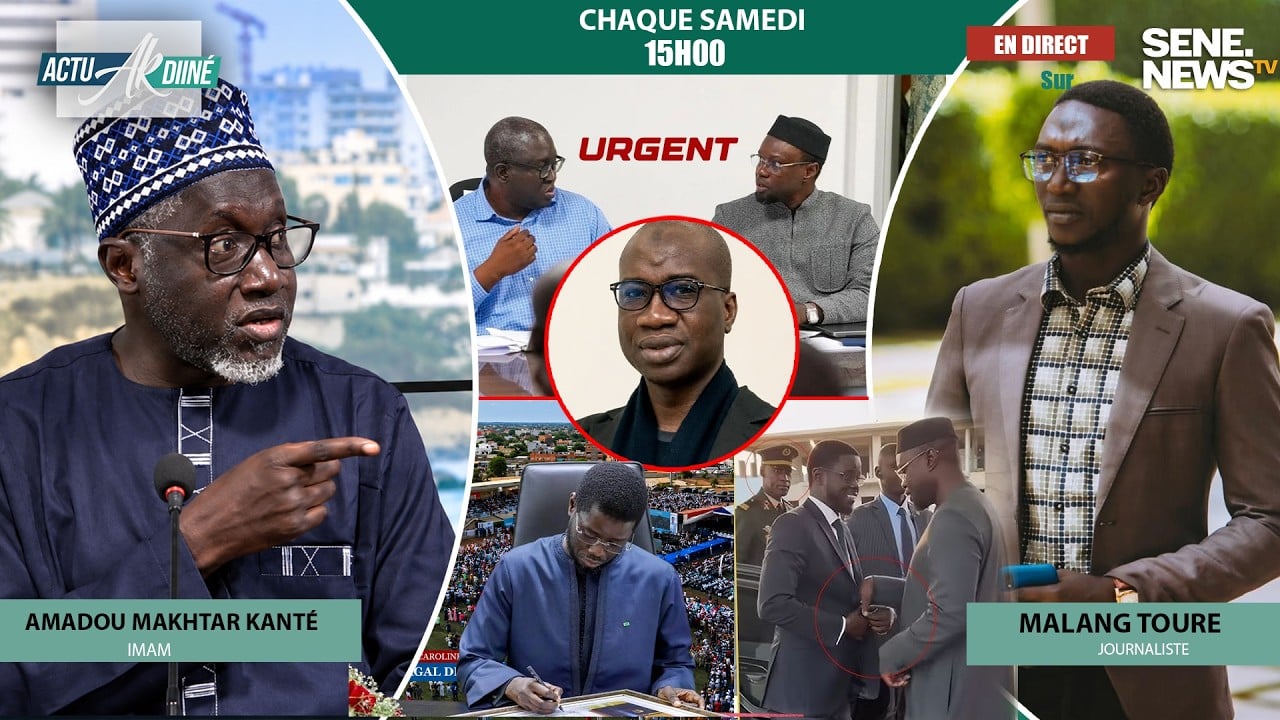
In this latest episode of Actu ak Diné, Imam Kanté dissects the escalating political fallout surrounding the Ndiaga Seck case and the strategic moves by opposition leader Ousmane Sonko as Senegal gears up for pivotal elections. The analysis cuts through the noise, offering a clear view of the mounting pressures shaping the nation’s political landscape.
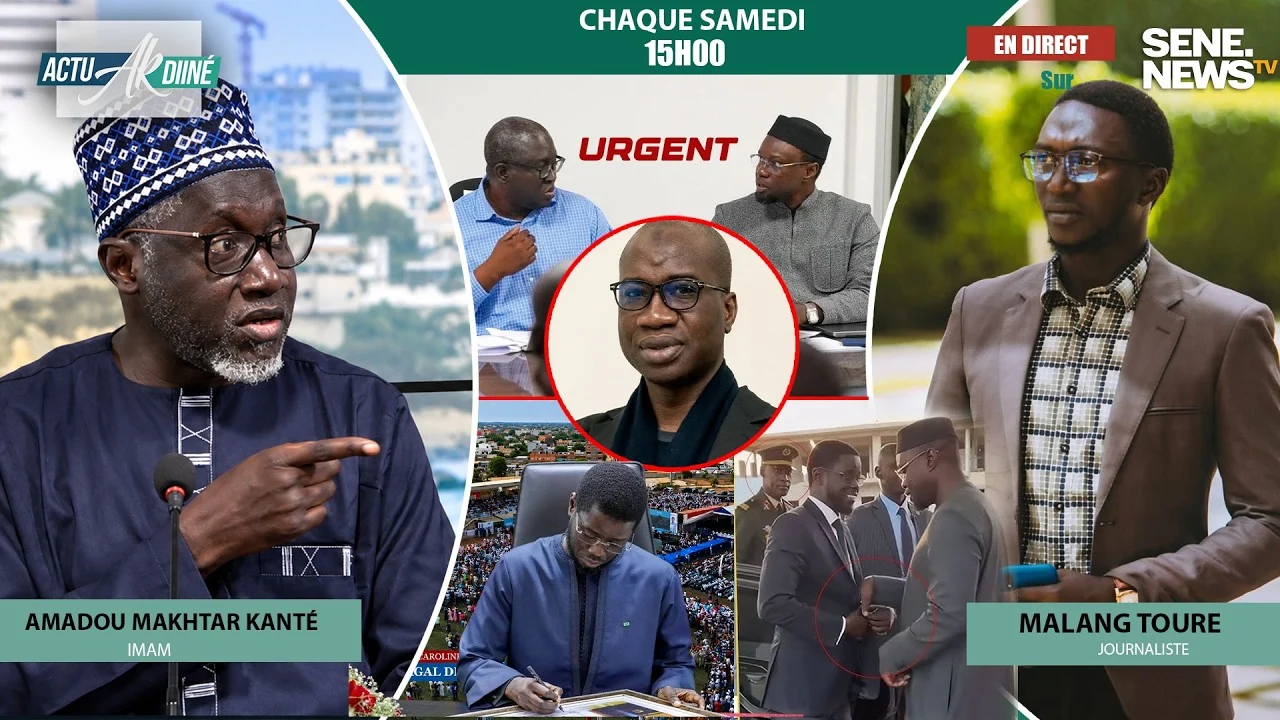
The week’s most pressing issues take center stage in this weekend’s broadcast, where Imam Kanté delivers a sharp breakdown of developments. From the controversial Ndiaga Seck affair to Ousmane Sonko’s high-stakes meeting with the Pastef’s chief of staff, the newly enacted electoral code by President Bassirou Diomaye Faye, and the nation’s preparations for Tabaski, every element is examined with precision.
As Senegal navigates these turbulent times, the interplay between legal challenges and electoral strategies paints a complex picture. The Ndiaga Seck case, in particular, has become a lightning rod for political debate, drawing sharp reactions from all corners of the spectrum. Meanwhile, Ousmane Sonko’s maneuvers suggest a calculated approach to the upcoming electoral battle, with alliances and counter-alliances forming in the background.
President Bassirou Diomaye Faye’s recent signing of the electoral code marks a critical step in the country’s democratic process, setting the stage for what promises to be a fiercely contested election cycle. The timing of these developments—amidst national preparations for Tabaski—adds another layer of complexity, as socio-economic and cultural priorities intersect with political agendas.
The implications of these events extend far beyond the courtrooms and campaign trails. For the Senegalese public, the stakes could not be higher, with trust in institutions and leaders hanging in the balance. As Imam Kanté’s analysis reveals, the coming weeks will be decisive in determining whether Senegal can steer through these challenges with stability and unity.