
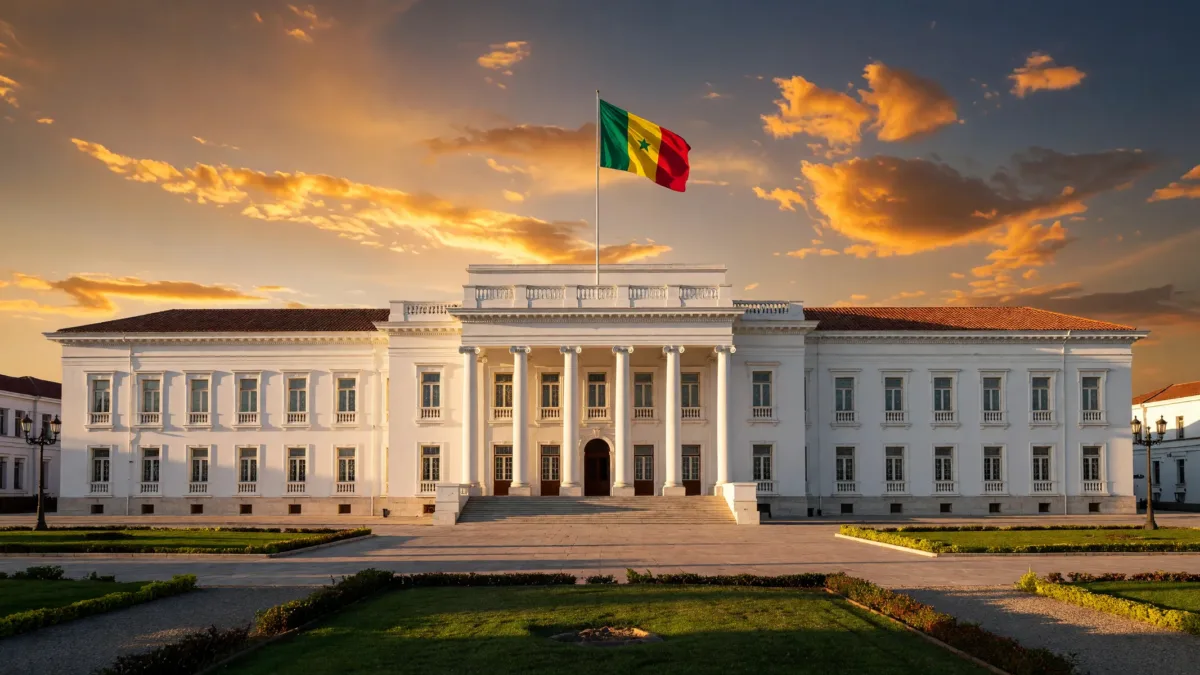
In a decisive diplomatic shift, Senegal has fully committed its foreign policy machinery to backing Macky Sall’s bid for the United Nations Secretary-General position. The announcement, made by the country’s Foreign Ministry, follows a high-profile meeting on July 17, 2026, between the former president and his successor at the Presidential Palace in Dakar.
Diplomatic reversal reshapes regional alliances
This endorsement marks a clear departure from Senegal’s earlier stance in late March 2026, when Dakar joined over two dozen African Union member states in rejecting Macky Sall’s candidacy—then championed by Burundi under the AU’s rotating presidency. The July 17 meeting, however, appears to have resolved lingering tensions, with Bassirou Diomaye Faye receiving Macky Sall in an atmosphere described as conciliatory, despite the political frictions that have lingered since the 2024 presidential transition.
Intense competition for the UN top job
Macky Sall now faces three formidable rivals in the race to succeed António Guterres, whose term concludes on December 31, 2026. His competitors include Michelle Bachelet, former President of Chile and ex-UN High Commissioner for Human Rights; Rafael Grossi, Director-General of the International Atomic Energy Agency; and Rebeca Grynspan, Secretary-General of the United Nations Conference on Trade and Development. Senegal’s backing strengthens Sall’s position by leveraging the country’s extensive diplomatic network, with the Foreign Ministry confirming that all government ministries and overseas missions will actively promote his candidacy.
Political context in Senegal
The endorsement comes at a time when Senegal’s political landscape remains shaped by the aftereffects of the 2024 transition. Bassirou Diomaye Faye, elected in March 2024 with the backing of the Pastef party, had campaigned on a platform of breaking from Macky Sall’s governance. Several sensitive issues, including accountability demands from victims of repression under the previous regime, remain unresolved. Yet, some observers view this move as an act of republican continuity, suggesting it could help Faye forge a broader political coalition beyond partisan divides.
Senegal, home to 18 million people and a founding member of regional blocs like ECOWAS—currently chaired by Faye—holds significant diplomatic weight in West Africa. Dakar’s support could sway other undecided African capitals, potentially tipping the scales in Sall’s favor as the selection process intensifies.
Regional lobbying gains momentum
Following Dakar’s endorsement, Macky Sall traveled to Banjul on July 17 to meet with Gambian President Adama Barrow. This regional tour is part of a broader strategy to secure endorsements from African heads of state ahead of the UN Security Council vote, where permanent members hold veto power. Sall’s ability to rally African consensus will be critical in countering candidacies backed by other regional blocs.