
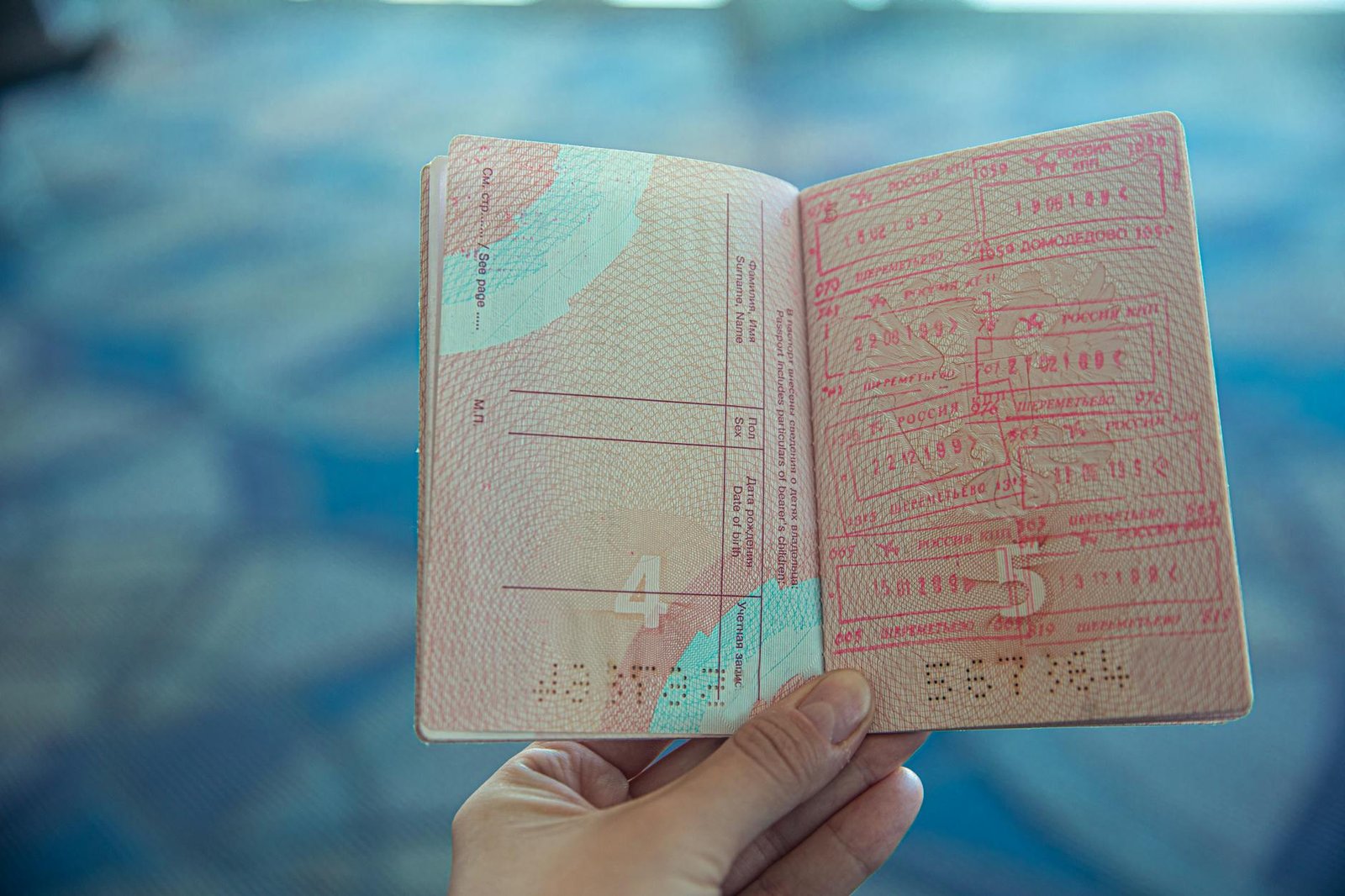
The Dakar Urban Security unit has dismantled a sophisticated operation producing counterfeit visa approval letters, highlighting the growing complexity of irregular migration networks passing through Senegal. A suspect, identified as part of a Chinese-linked operation by investigators, was arrested following a coordinated police operation in the capital. The case, disclosed by local media, underscores persistent vulnerabilities in consular systems across West Africa.
Dakar police dismantle consular document fraud ring
Investigations revealed a structured system generating fake approval letters—documents often required before visa issuance by certain diplomatic missions. When genuine, these papers facilitate consular review and are highly sought after by travelers seeking to relocate. The suspect’s arrest followed weeks of surveillance, with authorities now probing both the masterminds and the end beneficiaries of the scheme. A transnational dimension, involving intermediaries outside Senegal, is being actively investigated.
Senegal’s role as a regional hub for document trafficking
Dakar has long served as a critical migration and consular hub in West Africa. The city’s dense network of diplomatic missions and direct air links to Europe, Asia, and the Middle East make it a prime target for both legal migration and underground trafficking networks. Senegalese authorities have intensified efforts to dismantle document fraud rings, targeting counterfeit passports, visas, and civil registry documents. The Directorate of Foreign Police and Travel Documents (DPETV) and Urban Security collaborate closely on such cases.
Traffickers—whether Chinese, African, or Middle Eastern—employ increasingly advanced printing methods, sometimes exploiting corrupt insiders within administrative or private service providers. This technological sophistication complicates detection for both consular officials and law enforcement.
Sovereignty risks and diplomatic fallout from visa fraud
Beyond legal consequences, the scandal raises concerns about the integrity of consular document chains. Destination countries—including European, Asian, and Gulf states—are tightening scrutiny over the authenticity of supporting documents. Each case of fraud erodes trust in Senegalese-issued documents and can lead to stricter vetting for all legitimate applicants.
The alleged Chinese dimension of this operation reflects the deepening economic ties between Asian communities and Dakar’s commercial sector. Authorities are keen to distinguish between legitimate business activities—vital for investment and employment—and criminal activities that could tarnish the country’s image. If the investigation reveals cross-border links, bilateral judicial cooperation may be pursued.
The detained suspect will be brought before Dakar’s prosecutor after completing custody. Charges may include criminal conspiracy, forgery, and facilitation of irregular migration. Further probes will determine the full scale of the network and the volume of fraudulent documents circulating in the shadow visa market.