
Senegal’s debt crisis: economists call for diversified financing options
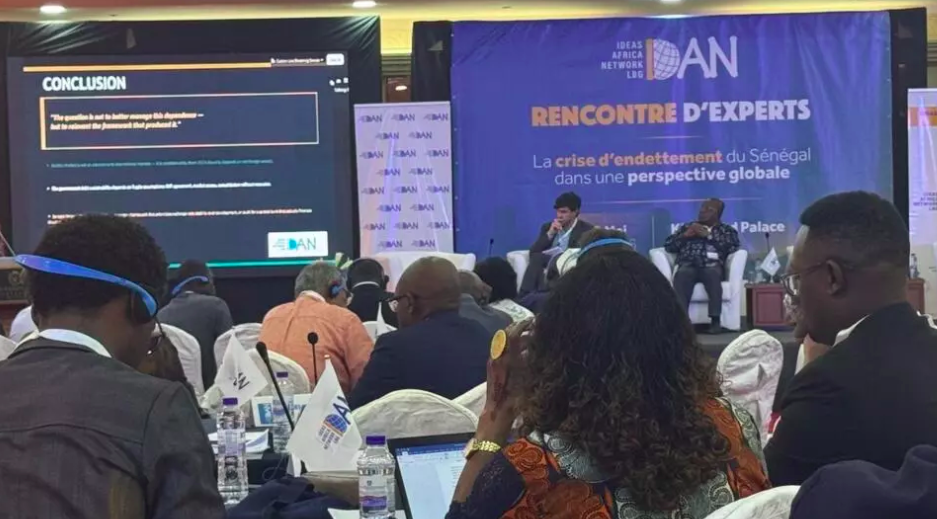
Dakar — A gathering of economists in Dakar has issued a strong call for Senegal to rethink its approach to public debt management amid mounting financial pressures. The experts propose a comprehensive debt audit and a shift toward alternative funding sources to reduce reliance on traditional multilateral institutions.
auditing hidden financial commitments
During a high-level conference on Senegal’s debt crisis, economists highlighted the need for a full audit of the country’s public debt. This comes as the government revealed undisclosed financial commitments made between 2019 and 2024—claims that former President Macky Sall has denied. These hidden obligations have pushed Senegal’s debt-to-GDP ratio to 132%, raising serious concerns about fiscal sustainability.
exploring new financial partners
Demba Moussa Dembélé, an economist and president of the Africaine de Recherche et de Coopération pour l’Appui au Développement Endogène, urged Senegal to seek partnerships with countries that prioritize national sovereignty over traditional lenders. He specifically pointed to China as a promising alternative, stating:
« These partners can help us break free from the neocolonial debt cycle. China, for instance, offers financing models that align with our development goals without imposing restrictive conditions. »
Dembélé emphasized the importance of leveraging local expertise and endogenous development models to reduce reliance on foreign debt.
bilateral negotiations: a path forward?
Ali Zafar, an economic advisor at the United Nations Development Programme (UNDP), suggested that Senegal follow Turkey’s lead by expanding its creditor network. « Turkey successfully diversified its debt sources by engaging with Saudi Arabia. Senegal can adopt a similar strategy, » he noted.
Zafar also advocated for bilateral talks with emerging economies like China, which has experience in managing debt sustainably. He stressed that Senegal must enter negotiations with the International Monetary Fund (IMF) equipped with strong counterproposals to protect social sectors such as education and healthcare.
« Senegal cannot afford to allocate all its revenue to debt servicing or use international loans to pay existing creditors, » he warned. « It’s time African nations assert their negotiating power and explore all viable alternatives. »
rebuilding fiscal sovereignty
The UNDP advisor went further, proposing the creation of an independent central bank to regain control over monetary policy. « No Asian country would tolerate the debt burden Senegal faces today, » he argued. « There are concrete solutions within our reach—solutions that prioritize sovereignty over dependency. »
Recent negotiations between Senegal and the IMF, held in late April in Washington, underscore the urgency of these reforms. Officials, including Alioune Diouf, Director of Debt at Senegal’s Ministry of Finance and Budget, are actively seeking pathways to stabilize the country’s financial future.
what’s next for Senegal?
The debate over debt management is far from over. With economists and policymakers divided on the best path forward, one thing is clear: Senegal must act decisively to avoid a deeper financial crisis. Whether through audits, new partnerships, or bold institutional reforms, the country’s economic future hinges on its ability to diversify and assert control over its debt strategy.