
West African mediation takes shape in Guinea-Bissau
In a decisive diplomatic move, Senegal has taken the lead in regional negotiations to resolve Guinea-Bissau’s ongoing institutional crisis. A high-level ministerial delegation arrived in Bissau on Thursday to engage directly with the transitional authorities, marking the first official mission since the Economic Community of West African States (ECOWAS) appointed Dakar as mediator in late July.
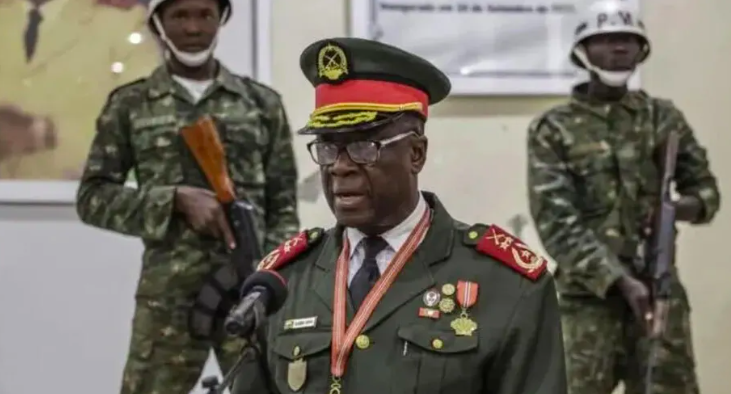
The delegation, led by Foreign Minister Cheikh Niang and Defense Minister Yankoba Diémé, met with General Horta Ntam, the country’s transitional leader. Their discussions focused on establishing a structured framework for negotiations ahead of Guinea-Bissau’s constitutional referendum, scheduled for August 30, 2026.
Rebuilding constitutional order
Senegal’s intervention comes at a critical juncture following Guinea-Bissau’s military coup on November 26, 2025, which ousted President Umaro Sissoco Embalo and suspended all electoral processes. The coup plunged the nation into uncertainty, prompting regional actors to intervene.
The transitional government has since prioritized legal and institutional reforms, including the upcoming referendum on constitutional amendments—a pivotal step toward restoring democratic governance. Observers note that the vote will serve as the first concrete milestone in Guinea-Bissau’s return to constitutional normalcy, a process closely monitored by international partners.
A phased mediation strategy
During the meeting, Minister Niang outlined Senegal’s mediation roadmap, designed to facilitate a smooth transition back to civilian rule. The framework includes multiple phases, culminating in the organization of credible elections. Both parties agreed to maintain regular consultations to formalize the negotiation process in the coming weeks.
The Senegalese initiative underscores the ECOWAS commitment to stabilizing Guinea-Bissau, ensuring that the constitutional referendum remains on track while preventing further delays in the electoral calendar. The regional bloc’s proactive stance reflects growing concerns over prolonged military rule and its impact on democratic institutions in West Africa.