
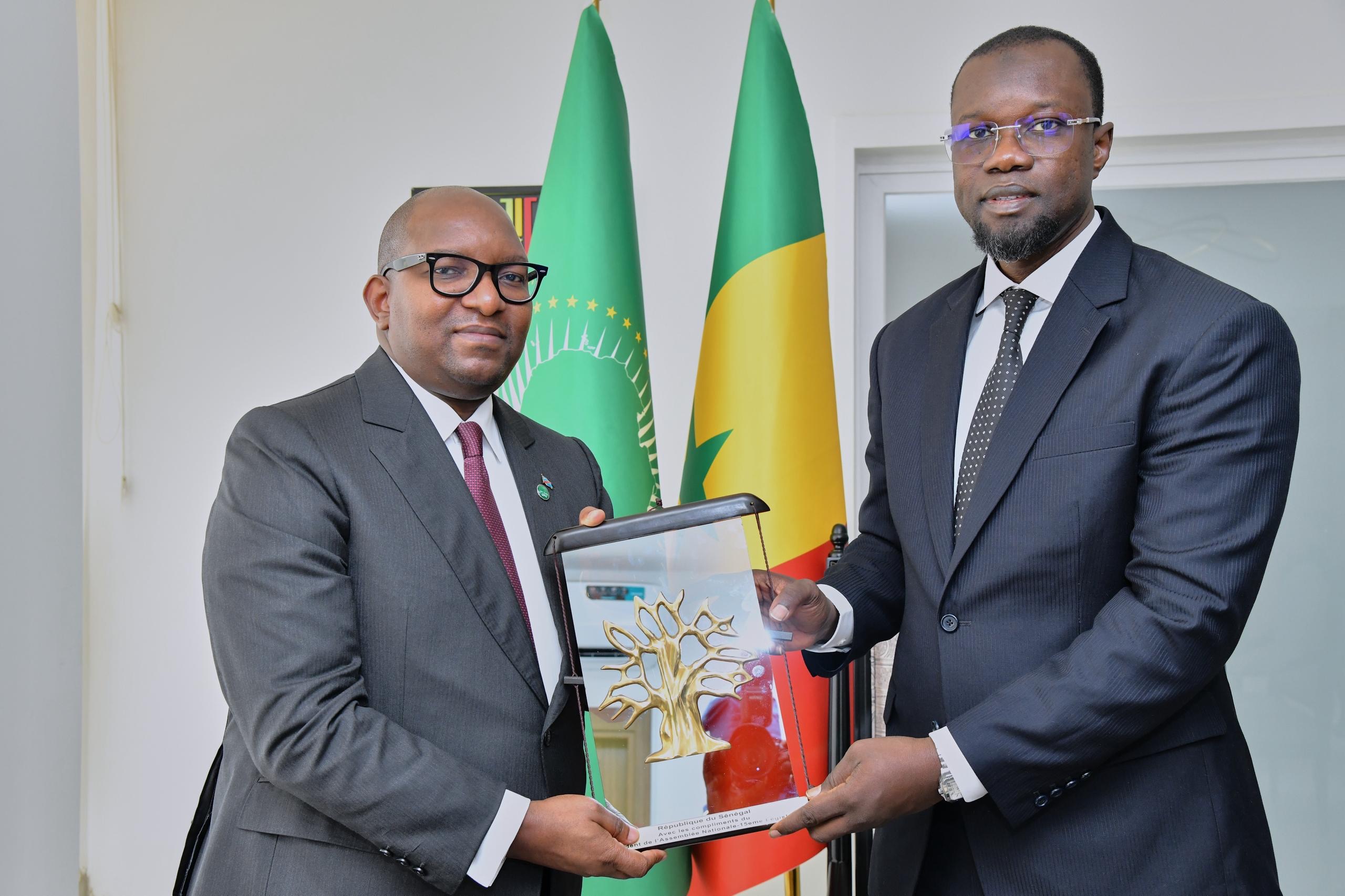
On June 4, 2026, Ousmane Sonko, President of Senegal’s National Assembly, held a pivotal meeting with Jean-Michel Sama Lukonde Kyenge during the 85th Executive Committee session of the African Parliamentary Union (APU). This high-level exchange centered on reimagining the APU’s structure, operations, and strategic role amid pressing continental challenges.
The discussions between Sonko and Lukonde underscored the urgent need for institutional reforms within the APU. The Senegalese parliament leader proposed sweeping changes to enhance the organization’s efficiency and responsiveness to Africa’s evolving political and economic landscape.
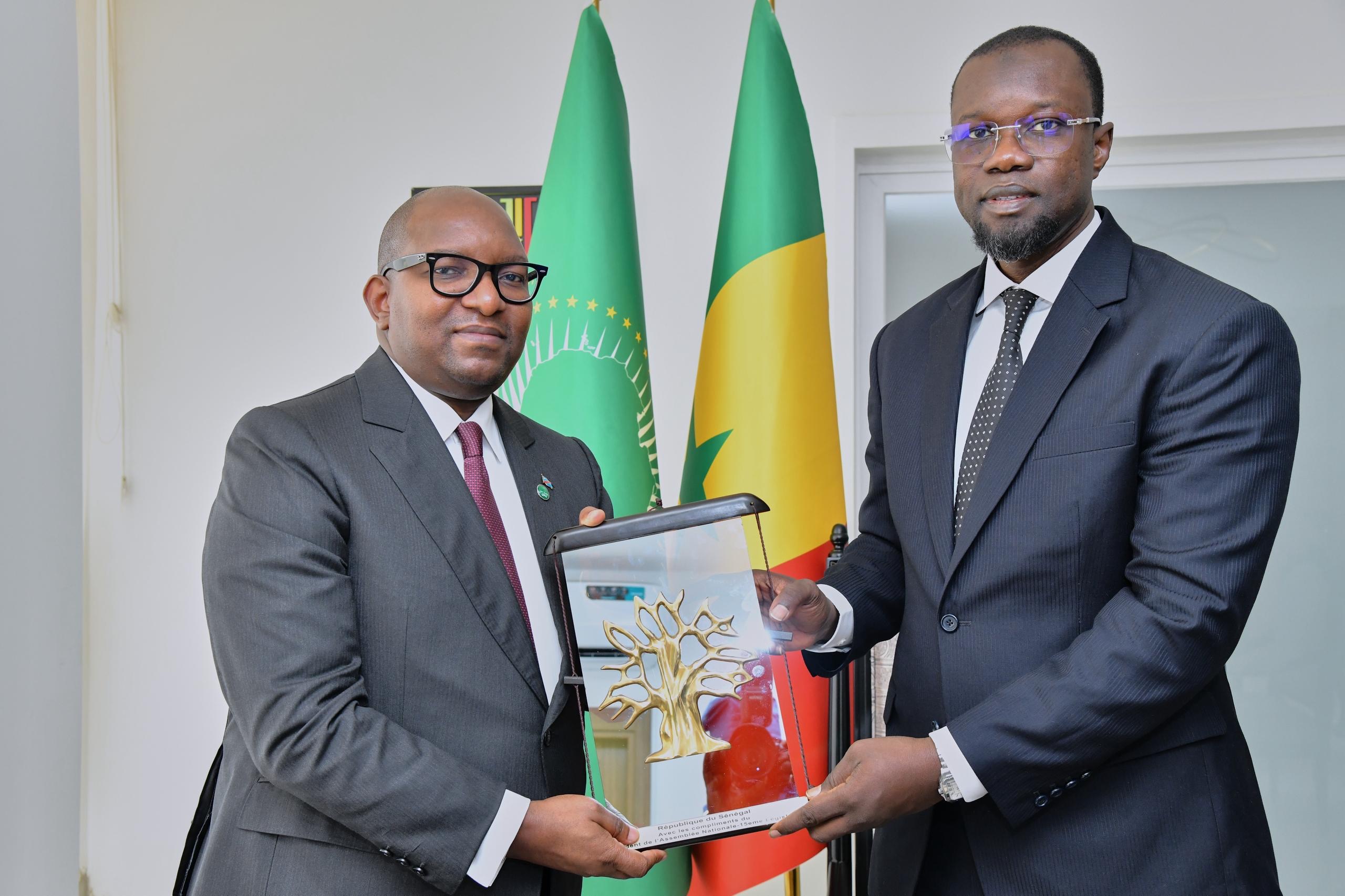
Key among Sonko’s recommendations was the alignment of APU’s decisions with those of the African Union (AU). He emphasized that closer coordination between these institutions would eliminate duplication, strengthen collective action, and amplify the impact of parliamentary diplomacy across the continent.
The meeting reflected a broader continental effort to foster more cohesive and effective governance frameworks. As African leaders grapple with political instability, economic disparities, and institutional weaknesses, calls for reforming continental bodies like the APU are gaining momentum.
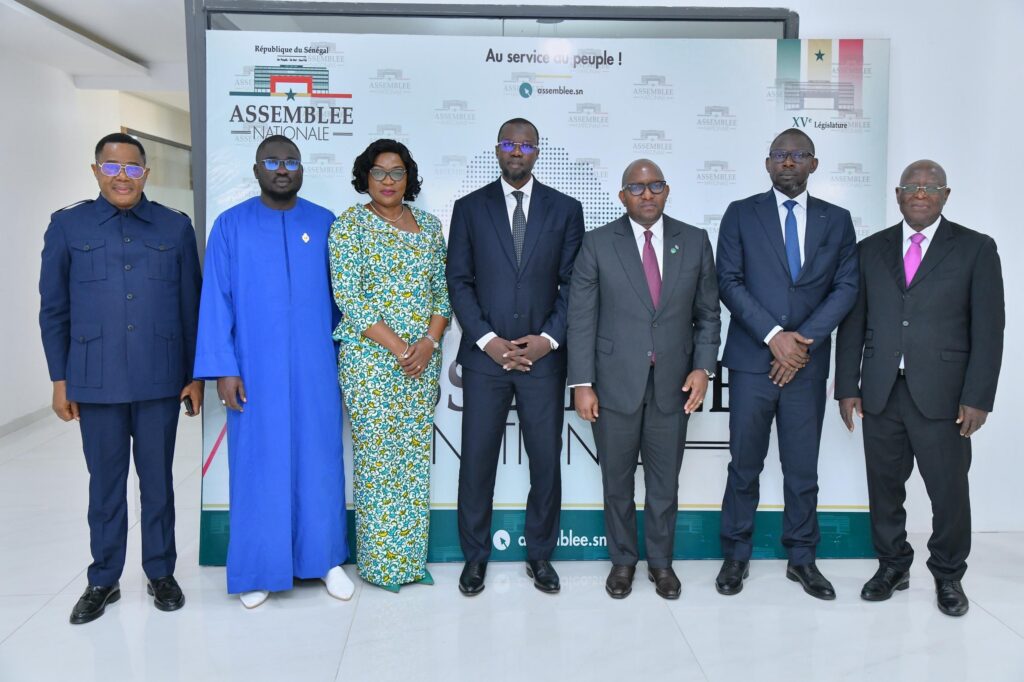
Sonko’s advocacy for a revitalized APU highlights Senegal’s commitment to playing a leading role in shaping Africa’s parliamentary future. The proposed reforms aim not only to streamline operations but also to ensure that the union’s initiatives directly serve the needs of African citizens.
This push for transformation comes as the APU faces criticism for its perceived sluggishness in addressing contemporary issues. By championing structural and functional upgrades, Sonko and his counterparts are signaling a new era of accountability and effectiveness for Africa’s parliamentary institutions.