
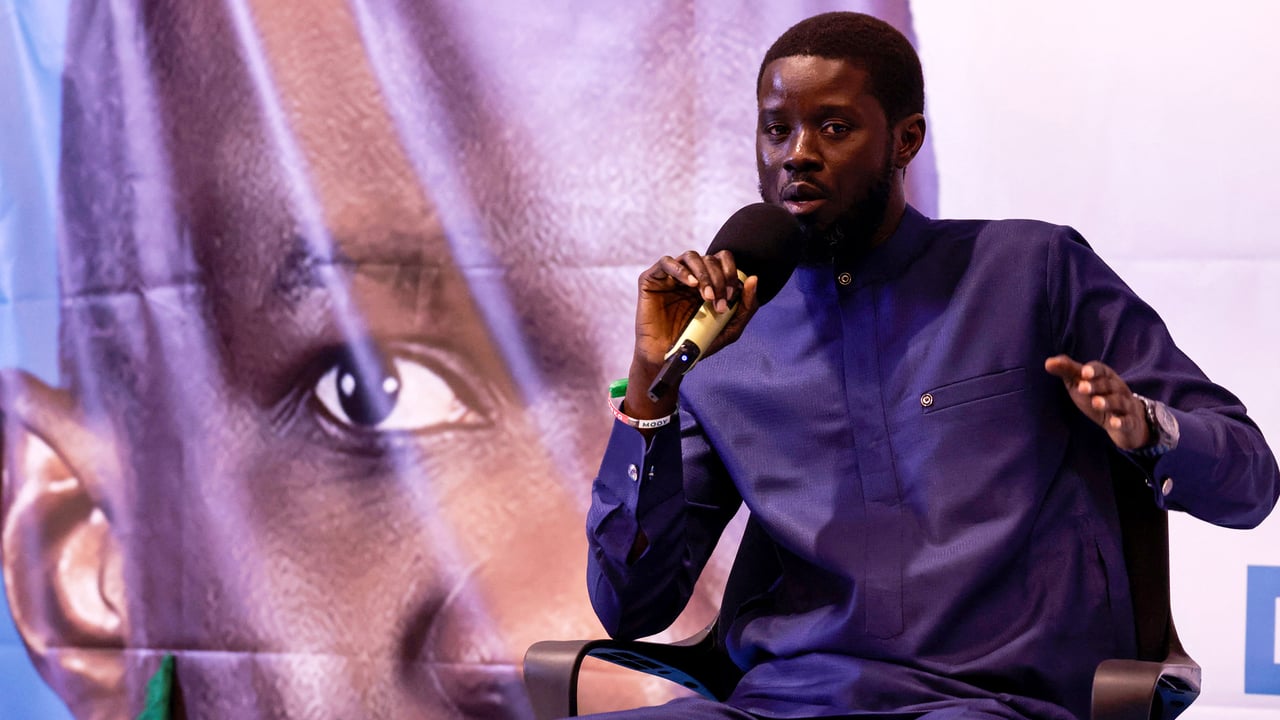

Senegal’s political landscape has been shaken by a deepening divide within its opposition ranks, centering on two prominent figures whose partnership once symbolized unity against the establishment. The rift between Bassirou Diomaye Faye and Ousmane Sonko—once allies in the struggle for change—has evolved into a bitter feud, exposing fractures that could reshape the nation’s future trajectory.
The origins of this conflict stretch back years, rooted in ideological differences and personal ambitions that have since erupted into public confrontations. What began as a shared vision for a new Senegal has devolved into a clash of egos, strategies, and visions for the country’s path forward.
From solidarity to rivalry: the unraveling of a political alliance
In the early days of their collaboration, Diomaye and Sonko were inseparable, drawing strength from their combined influence within the opposition. Their alliance was a driving force behind the push to challenge the status quo, rallying supporters with promises of reform and accountability.
Yet, as their profiles rose, so did the tensions beneath the surface. Disagreements over policy direction, leadership style, and the pace of change began to surface, eroding trust between the two. What was once a partnership built on mutual respect has now become a battleground of competing narratives, each side accusing the other of betrayal.
Key moments that fueled the divide
- Leadership disputes: Clashes over who should lead the movement, with each figure positioning themselves as the rightful successor to Sonko’s legacy.
- Policy disagreements: Fundamental differences on economic priorities, governance, and Senegal’s role on the regional stage.
- Public posturing: Both leaders have taken to the airwaves and social platforms to sway public opinion, escalating rhetoric that has deepened divisions.
- Power struggles within the party: Internal factions have emerged, with supporters of each leader jockeying for influence within the opposition coalition.
The ripple effects on Senegal’s political scene
The fallout from this schism is already being felt across Senegal’s political spectrum. The opposition, once a formidable force against the ruling party, now finds itself weakened by infighting. Meanwhile, the government has capitalized on the discord, using it to consolidate its position and undermine opposition credibility.
For citizens, the spectacle of two of their most vocal advocates turning on each other has raised questions about the movement’s viability. Can the opposition recover from this rupture, or has the damage already been done?
What’s next for Diomaye and Sonko?
The coming months will be critical in determining whether this conflict can be resolved—or if it will permanently fracture the opposition. With Senegal’s political future hanging in the balance, the actions of these two leaders will shape not only their own legacies but the direction of the nation itself.
As the dust settles, one thing is clear: the alliance that once promised change has become a cautionary tale of how ambition and disagreement can derail even the most promising movements.