
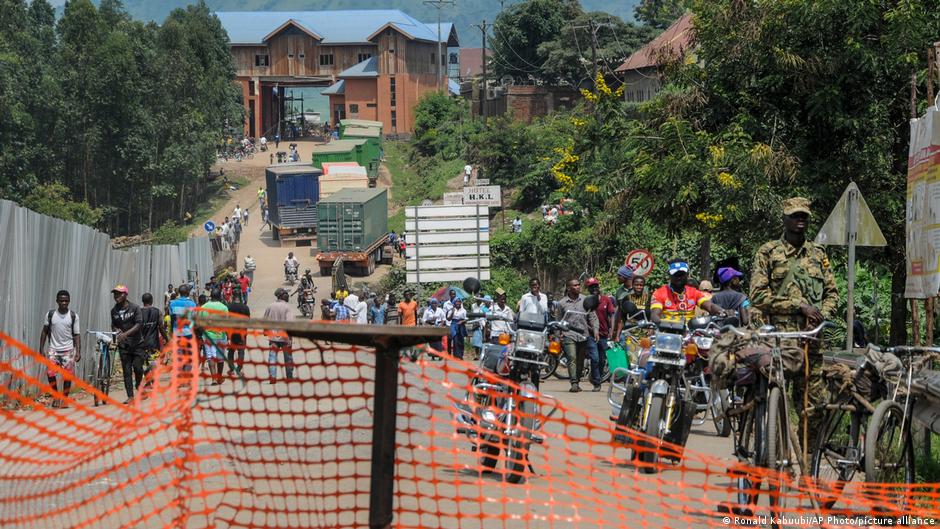
With over 3,000 confirmed cases and nearly 1,500 fatalities reported in the latest government update, the Ebola outbreak in the Democratic Republic of Congo continues its relentless spread. Humanitarian organizations are sounding the alarm over the alarming rate at which the virus is propagating.
The World Health Organization has highlighted that the number of Ebola cases is increasing exponentially, doubling every 20 days. Julien Harneis, the United Nations’ lead coordinator for Ebola response efforts, emphasized that the epidemic’s spread is outpacing current mitigation strategies.
Why Keeping Borders Open Matters
Several nations initially responded to the crisis by imposing travel restrictions or sealing their borders entirely with the Democratic Republic of Congo. Rwanda, for instance, closed its land borders and barred entry to foreigners who had recently visited the country. While partial reopening occurred in early July, stringent measures such as mandatory handwashing and temperature checks remain in place.
Uganda also temporarily shut down border crossings with the Democratic Republic of Congo, though exceptions were made for humanitarian aid, security personnel, and essential goods transport. Beyond Africa, Canada announced in July that it would deny entry to foreign nationals who had visited the Democratic Republic of Congo within the past 21 days. The country also suspended certain immigration services for applicants from the Democratic Republic of Congo, Uganda, and South Sudan.
However, the United Nations strongly advocates for maintaining open borders. This approach ensures the swift delivery of critical medical supplies, unhindered movement of response teams, and seamless deployment of healthcare workers across the Democratic Republic of Congo. Closing borders risks driving populations toward uncontrolled routes, complicating Ebola surveillance and containment efforts.
Ebola’s Ripple Effect on Food Security
The World Food Programme warns that the Ebola outbreak is exacerbating an already dire food security crisis. Ituri, the epicenter of the epidemic, is among the hardest-hit regions, with 1.9 million people in urgent need of food assistance.
“Many patients are not receiving care from humanitarian organizations or the government. Families are stepping in to support them, but this strains local food supplies and community resources,” explains Butoto Bigiri Naum, head of Action pour le Développement et le Bien-Être des Communautés (UGEAFI). This organization collaborates with German NGO Help in implementing emergency response projects across the Democratic Republic of Congo, particularly in rural and health-vulnerable communities.
Naum points out that border restrictions have disrupted food supplies and agricultural inputs, creating severe challenges. “Access to seeds, tools, and other essential farming materials is severely limited, pushing communities further into precarity.”
The World Food Programme reports that over 2.65 million people in Ebola-affected health zones face acute food insecurity, including more than 628,000 in emergency situations. Women, children, and pregnant women are disproportionately affected by restricted access to food.
The outbreak intensifies food insecurity by disrupting supply chains, leading to soaring market prices. Households struggle to afford basic necessities, while farmers, fearing contagion or labor shortages, may abandon their fields. This could result in long-term food shortages and famine.
To mitigate the crisis, the World Food Programme provides food aid to Ebola patients, their close contacts, frontline workers, and affected households. The goal is twofold: to help families comply with quarantine measures and to ease the burden on communities already struggling to meet their basic nutritional needs.
Food assistance also plays a key role in reducing population displacement in search of sustenance. By alleviating immediate hunger, it fosters an environment conducive to effective health interventions and community resilience.