
Thirty-six african migrants expelled from us to Yaoundé seek legal protection in Cameroon
Their legal counsel, Barrister Joseph Fru Awah, asserts that “Cameroon cannot be utilized as a transit nation to repatriate individuals to persecution or torture.”
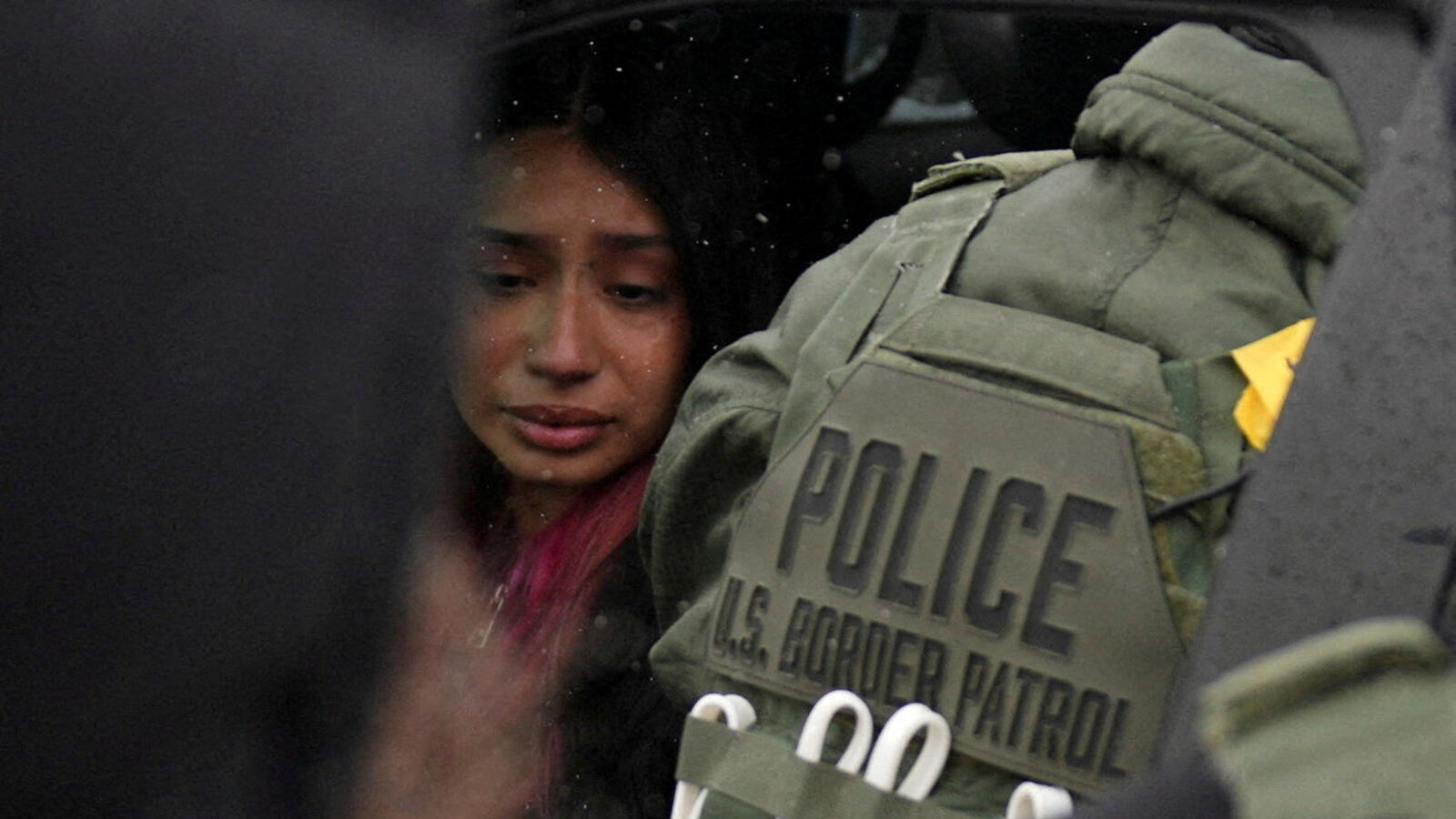
The controversial framework facilitating the transfer of irregular foreign nationals from the United States to third countries is facing a significant legal challenge. Thirty-six African individuals, who were deported from the US to Cameroon in 2026, have initiated legal proceedings in Yaoundé. Their objective is to secure legal protection within Cameroon and to seek the suspension of the existing migration agreement with Washington, as announced by their lawyer, Barrister Joseph Fru Awah, this Wednesday.
The formal complaint, lodged with the administrative court in Yaoundé, aims to achieve two primary goals: first, to halt the migration pact established with the United States, and second, to enable the 36 deported individuals to apply for legal protection in Cameroon, thereby granting them a legal residency status.
Crucially, the legal action seeks to prevent any further expulsion of these individuals to their respective countries of origin, Barrister Joseph Fru Awah conveyed in a recent statement. The lawyer vehemently declared, “Cameroon cannot be utilized as a transit nation to repatriate individuals to persecution or torture.”
Millions of dollars and threats
These 36 individuals originate from the Democratic Republic of Congo (DRC), Ghana, Angola, Ethiopia, Sierra Leone, Kenya, Senegal, Zimbabwe, and Morocco. Despite having previously received protection from US courts against deportation to their home countries, they were nevertheless expelled to Cameroon between January and May 2026. Now residing in Cameroon, they face the renewed risk of being deported to their countries of origin.
Since their arrival in Yaoundé, these individuals have been housed in a facility managed by Cameroonian authorities in collaboration with the International Organization for Migration (IOM). According to Barrister Joseph Fru Awah, they remain “deprived of identity documents and clear legal status,” and are “subject to restrictions on their movement.”
Cameroon is among several African nations that have agreed to accept individuals deported from the United States. Other countries include the Central African Republic, Equatorial Guinea, Ghana, Rwanda, South Sudan, Eswatini, the Democratic Republic of Congo (DRC), and Sierra Leone.
The Trump administration has maintained that while it may be unable to return these individuals directly to their countries of origin, there are no prohibitions against sending them to third countries.
Information indicates that the United States has offered multi-million dollar agreements and utilized the threat of visa restrictions as leverage to encourage third countries, particularly in Africa, to accept deported individuals, whether they are from Africa or other continents.
 Lire le journal