
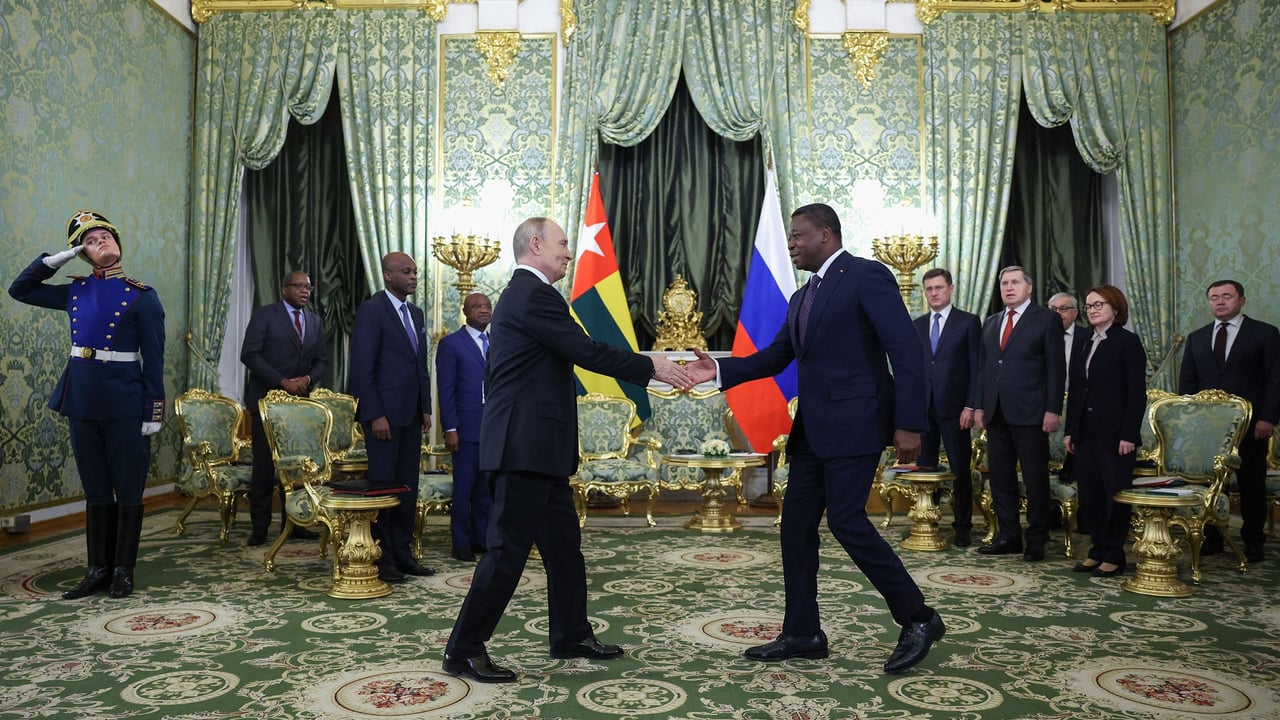
The West African nation of Togo has quietly forged new military partnerships to combat the escalating jihadist insurgency in the Sahel. Through discreet negotiations, Lomé has welcomed Russian military support while deepening cooperation with Turkey, marking a strategic shift in regional security dynamics.
Emerging alliances in a volatile region
Since 2023, Togo has been quietly expanding its defense capabilities to counter cross-border threats from extremist groups operating in neighboring Burkina Faso and Niger. The government of President Faure Gnassingbé has pursued a dual-track approach: securing aerial reconnaissance support from Ankara while engaging Moscow’s Africa Corps for specialized training and logistical assistance.
Turkey’s strategic role in regional security
Togolese officials confirmed that Ankara has provided unmanned aerial vehicles (UAVs) and intelligence-sharing protocols to bolster surveillance along the northern border. These assets have significantly enhanced the country’s early warning systems, allowing for quicker responses to militant movements in the Savanes Region. The Turkish cooperation, initially framed as humanitarian support, has gradually transitioned into a more formalized security arrangement.
Russia’s Africa Corps makes inroads in Lomé
Moscow’s paramilitary Africa Corps has established a presence in Togo since early 2025, offering specialized counterterrorism training to Togolese special forces. While the Kremlin has framed these deployments as part of a broader African security initiative, diplomats note they align with Togo’s urgent need for operational expertise against well-armed jihadist factions. The collaboration includes joint exercises and the provision of armored vehicles adapted to Sahel terrain.
Balancing partnerships in a delicate geopolitical landscape
Togo’s pivot toward Moscow and Ankara comes at a time of shifting alliances across the Sahel. While remaining a member of the Economic Community of West African States (ECOWAS) and maintaining ties with Western partners, Lomé has demonstrated a pragmatic willingness to diversify its security partnerships. This approach reflects both the urgency of the jihadist threat and the limitations of traditional defense arrangements.
Operational impact and future outlook
The enhanced security cooperation appears to be yielding results. Military sources report a reduction in cross-border incursions since the deployment of Turkish drones and Russian-trained units. However, analysts caution that sustaining these gains will require continued investment in intelligence infrastructure and regional coordination with neighboring states facing similar threats.
As the jihadist insurgency continues to evolve, Togo’s adaptive security strategy may serve as a model for other West African nations seeking to balance multiple partnerships while addressing immediate security challenges.