
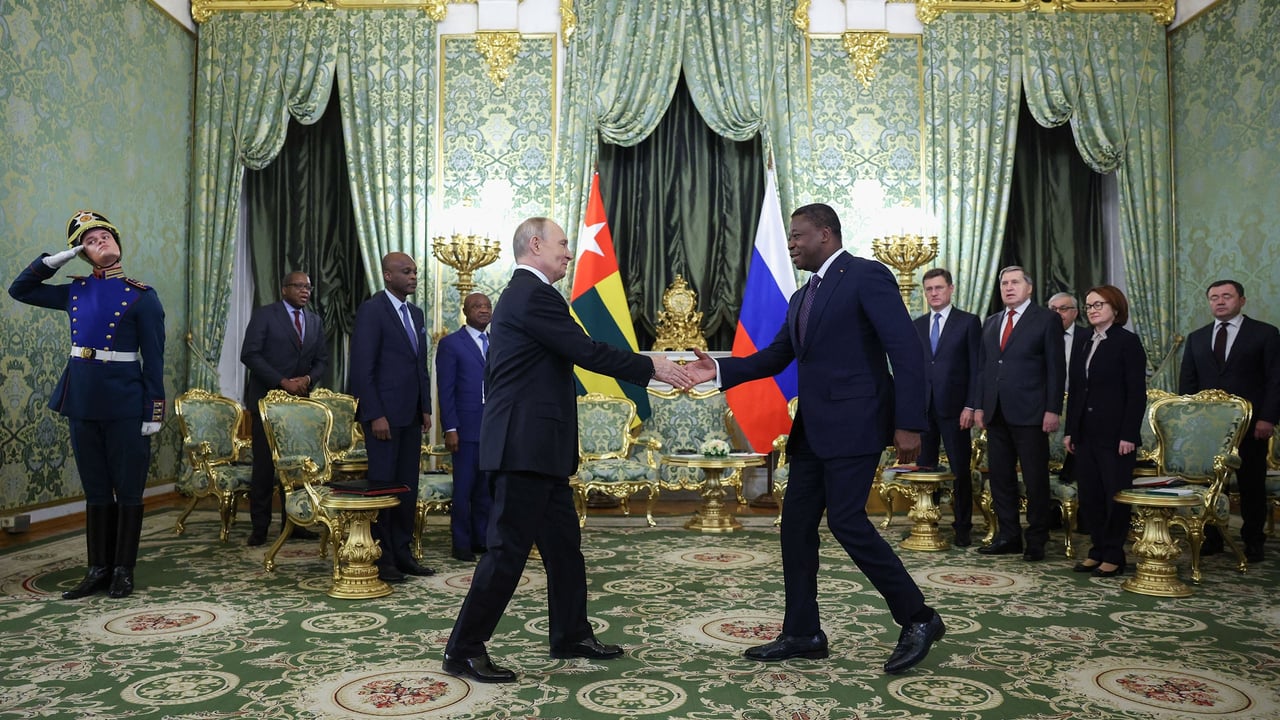
Lomé is quietly reshaping its security partnerships as jihadist threats intensify along its northern borders. The Togolese government has quietly expanded cooperation with Ankara, securing aerial support and military assistance, while also engaging Moscow’s Africa Corps since 2025. These evolving alliances reflect a broader recalibration of West African defense strategies.
From discreet cooperation to open collaboration
Togo’s President Faure Gnassingbé has long prioritized border security, particularly in the Savanes Region where jihadist movements have gained traction. Recent engagements suggest a more visible pivot toward external partners, with the Africa Corps emerging as a key player in military discussions. Meanwhile, technical and logistical support from Turkey continues to strengthen, signaling a multi-pronged approach to regional stability.
Military cooperation gains momentum
The Africa Corps, Russia’s latest security initiative in Africa, has reportedly begun discussions with Togolese officials about training programs, equipment transfers, and joint exercises. These talks follow a pattern seen across the Sahel, where nations grapple with insurgencies and seek alternative security providers. Turkey, for its part, has already delivered drones and radar systems, enhancing Lomé’s surveillance capabilities along porous borders.
Balancing partnerships in a complex region
Togo’s diplomatic maneuvers come amid shifting geopolitical currents. While maintaining ties with traditional Western allies, Lomé has also embraced non-traditional partners to address pressing security challenges. The Africa Corps’ arrival marks another layer in this strategy, offering fresh perspectives on counterterrorism and regional defense coordination. Observers note that Togo’s approach prioritizes pragmatic solutions over rigid alliances.
Analysts argue that Togo’s engagement with these actors reflects a broader trend in the Sahel, where governments face mounting pressure to secure their territories. The Africa Corps’ presence, though still in early stages, could redefine military cooperation dynamics in West Africa.
What’s next for Togo’s defense strategy?
With jihadist factions operating near its northern frontiers, Togo is under pressure to demonstrate tangible security improvements. The collaboration with Russia’s Africa Corps and continued Turkish support may provide critical tools, but long-term success hinges on sustainable funding, training, and regional coordination. As Lomé navigates these partnerships, the question remains: how will these alliances shape Togo’s role in the Sahel’s evolving security landscape?