
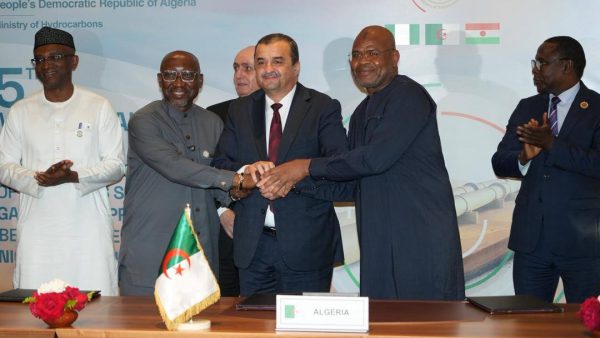
Algiers, June 4, 2026 — A landmark milestone has been reached in the long-awaited trans-Saharan gas pipeline (TSGP) project. On Wednesday, representatives from Niger, Algeria, and Nigeria convened in Algiers to approve the finalized updated feasibility study of this monumental energy infrastructure, reaffirming their collective commitment to fast-tracking the necessary steps for its realization.
The nearly 715-kilometer pipeline aims to transport Nigerian natural gas through Niger before delivering it to Algeria, with a final destination of European and global markets. For the three partner nations, this initiative stands as one of the continent’s most pivotal energy ventures.
A continental energy game-changer
The endorsement of the feasibility study marks a significant leap forward for a project that has gained and lost momentum in sync with shifting global energy and geopolitical landscapes. Amid today’s urgent quest for new gas supply sources, the TSGP emerges as a promising solution to bolster Africa’s standing in the international energy sector.
Beyond its energy export goals, the pipeline is hailed as a catalyst for economic growth across the three nations. Officials from Niger, Algeria, and Nigeria anticipate substantial benefits, including job creation, increased foreign investment, and the expansion of critical infrastructure across Sahelian regions.
Strengthened collaboration among national energy firms
The three countries have pledged to deepen coordination between their national oil and gas companies to expedite subsequent project phases. This technical and institutional partnership is deemed vital for ensuring the pipeline’s financial and operational viability.
Algeria has taken a decisive step by initiating construction on the Algerian segment of the pipeline, signaling Algiers’ unwavering dedication to advancing this strategic initiative. This move aligns with Algeria’s broader objective to solidify its role as a key energy supplier to Europe.
Niger’s strategic advantage in the project
Niger, positioned at the heart of the pipeline’s route, stands to gain significantly from this venture. The project promises substantial transit revenue, while also accelerating the country’s energy sector development and infrastructure upgrades.
In a region undergoing rapid economic and diplomatic transformations, Niamey views this trilateral partnership as a means to enhance its economic sovereignty and foster regional integration.
The next critical phase will involve translating this technical breakthrough into tangible progress on the ground. While experts widely acknowledge the TSGP’s potential, its success hinges on the three partner nations maintaining strong collaboration and securing the required investments. Only then can this ambitious project fulfill its promise as a transformative energy solution for Africa and its global partners.