
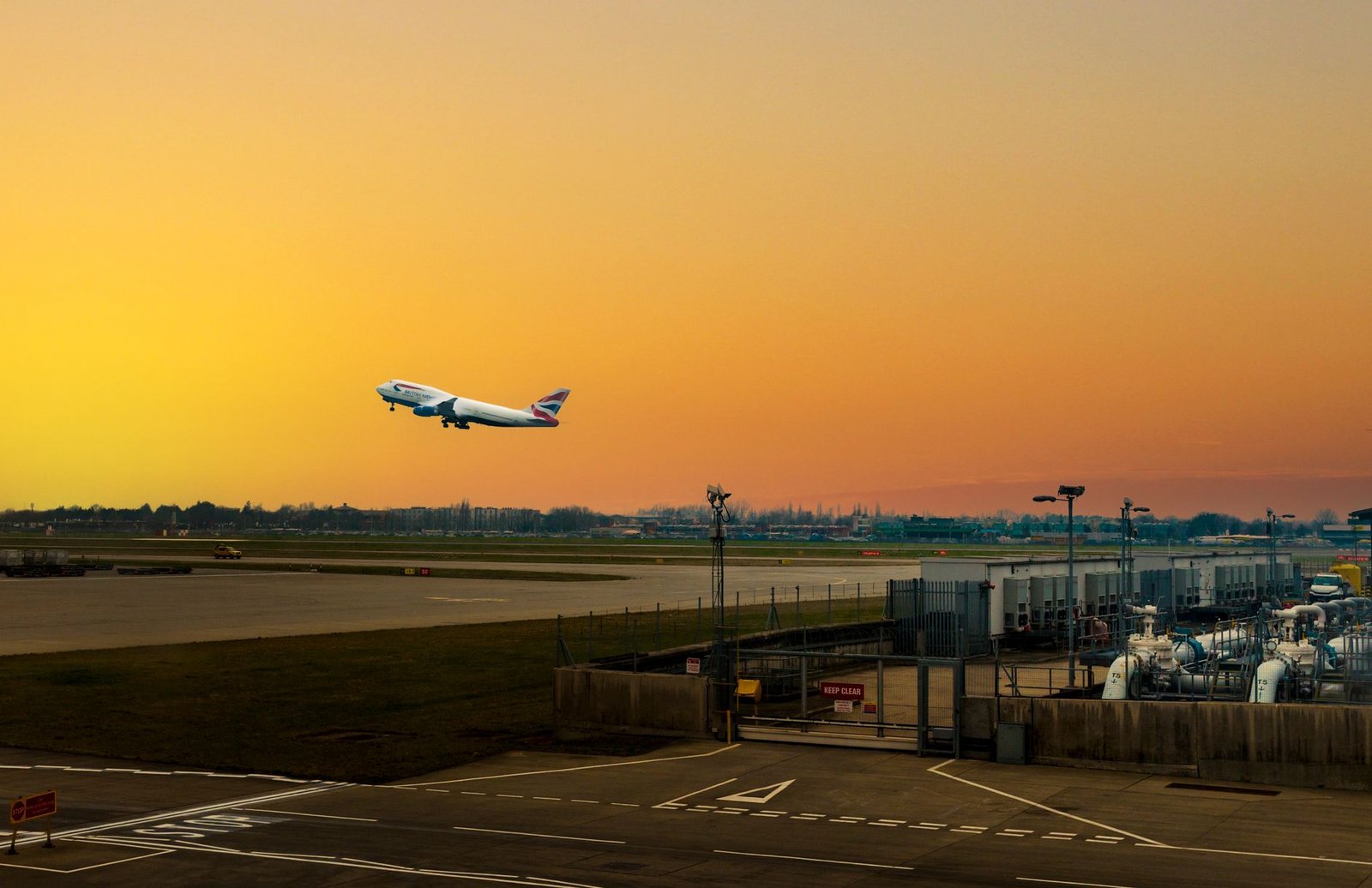
The United Kingdom has dramatically tightened entry regulations for nine West African nations, including Senegal, placing them under the Airport Transit Visa (ATV) regime. According to updated directives from the Home Office, travelers from these countries must now secure a transit visa even if they remain within the international zone of a British airport like Heathrow or Gatwick, without formally entering the UK. The policy, implemented without a transition period, marks a significant shift for thousands of passengers connecting through London en route to North America or Asia.
Nine West African nations added to the UK transit visa blacklist
In addition to Senegal, eight other countries in the subregion have been included in the expanded list of nationalities requiring the Direct Airside Transit Visa. Travelers must now complete a consular application process, including biometric enrollment and appointment scheduling, even for brief layovers. The administrative hurdles and associated costs can disrupt tight business travel schedules and deter spontaneous journeys.
The Home Office has historically justified such measures under migration security concerns, citing risks of asylum claims filed during transit or unauthorized border crossings. While specific data justifying Senegal’s inclusion has not been disclosed, the decision aligns with a broader trend of tightened controls on sub-Saharan African travelers over recent months.
Diplomatic tensions rise as London sends a clear message to Dakar
For Senegal, the UK’s move arrives at a critical juncture. Under President Bassirou Diomaye Faye’s leadership, the country is actively revamping its economic diplomacy, prioritizing the mobility of professionals, students, and private sector actors to global financial hubs. The new transit restrictions complicate connections to Washington, Toronto, Ottawa, or Seoul when routed through London, despite British Airways and Virgin Atlantic’s strategic Dakar-Europe links.
The decision contrasts sharply with the UK’s post-Brexit rhetoric of deepened partnerships with Africa. London has promoted initiatives like the UK-Africa Investment Summit, positioning the City as a key player alongside Paris, Beijing, and Gulf capitals. Yet the imposition of consular barriers sends mixed signals to the Economic Community of West African States (ECOWAS), potentially prompting reciprocal measures from regional governments.
Economic and diaspora impacts reverberate across sectors
West African diaspora communities in Canada and the US are among the hardest hit. Many families rely on London connections for affordable travel to Dakar, Abidjan, Accra, or Lagos. The transit visa requirement inflates travel costs, extends preparation times, and risks diverting traffic to Paris, Amsterdam, Brussels, or Istanbul, where transit rules for West African passports remain less restrictive.
British airlines face commercial fallout. A shift in traffic to continental European or Middle Eastern hubs could weaken London’s dominance on the lucrative West Africa-North America route. Airlines like Emirates, Turkish Airlines, and Ethiopian Airlines, already well-established on this corridor, stand to benefit from travelers deterred by UK bureaucracy.
Diplomatic repercussions loom large. The decision was implemented unilaterally, without formal consultation with affected states. Dakar and its regional counterparts are now weighing responses, ranging from protest statements to regulatory adjustments targeting British visitors. The measure is already in effect, according to multiple reports.