
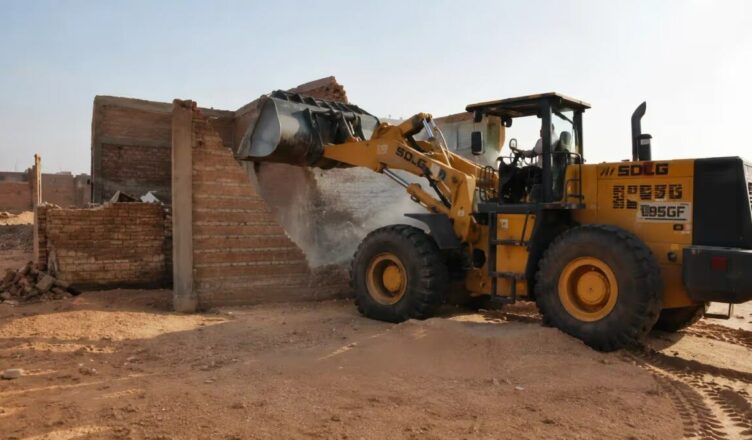
In Kobontafa, a densely populated district hugging the perimeter of Niamey’s main airport, residents are hastily dismantling their own homes ahead of impending demolitions. Roofs are stripped, doors removed, and windows taken down as families race to salvage what they can before authorities begin clearing structures deemed illegal within the airport’s restricted zone.
Security crackdown follows January airport assault
The sweeping operation targets neighborhoods built without permits, situated dangerously close to critical infrastructure. Authorities point to the January 29 attack on the Diori Hamani International Airport and a nearby military drone base as the catalyst for this drastic action. Investigators believe attackers infiltrated the area through these unregulated settlements before launching their assault.
Thousands face displacement in Niamey
Official estimates indicate that nearly 26,000 residents across four unauthorized neighborhoods are directly impacted. These informal zones occupy large sections of the airport’s surrounding area, creating what officials call a major security vulnerability that terrorists could exploit.
Niger has been grappling with escalating violence from Al-Qaeda and Islamic State-affiliated armed groups, particularly in border regions and now increasingly near the capital. The January 29 assault, claimed by the Islamic State in the Sahel (EIS), was repelled by Nigerien forces with support from international partners, resulting in 20 militant deaths, four wounded soldiers, and damage to airport facilities.
Days later, General Abdourahamane Tiani, head of the National Council for the Safeguard of the Homeland, acknowledged a critical lapse in security protocols that allowed the attack to unfold. He revealed that the assailants aimed to cripple Niger’s aerial defense capabilities.
Targeted zones and compensation promises
Colonel Amadou Abdramane, Minister of Transport and Civil Aviation, confirmed that demolitions focus on the airport’s eastern flank—a sector occupied irregularly and identified as the attackers’ entry point. Meanwhile, Interior Minister General Mohamed Toumba warned that unchecked informal settlements could undermine the airport’s international safety certification, potentially jeopardizing its operational status.
Authorities have pledged compensation for displaced families, contingent on registration in an official census. In parallel, security measures around the airport have been significantly upgraded, including an expanded perimeter fence and the installation of over 350 surveillance cameras both inside and outside the facility.
Nationwide, the government is urging vigilance, encouraging citizens to report suspicious activities or individuals through dedicated emergency hotlines as part of broader counterterrorism efforts.