
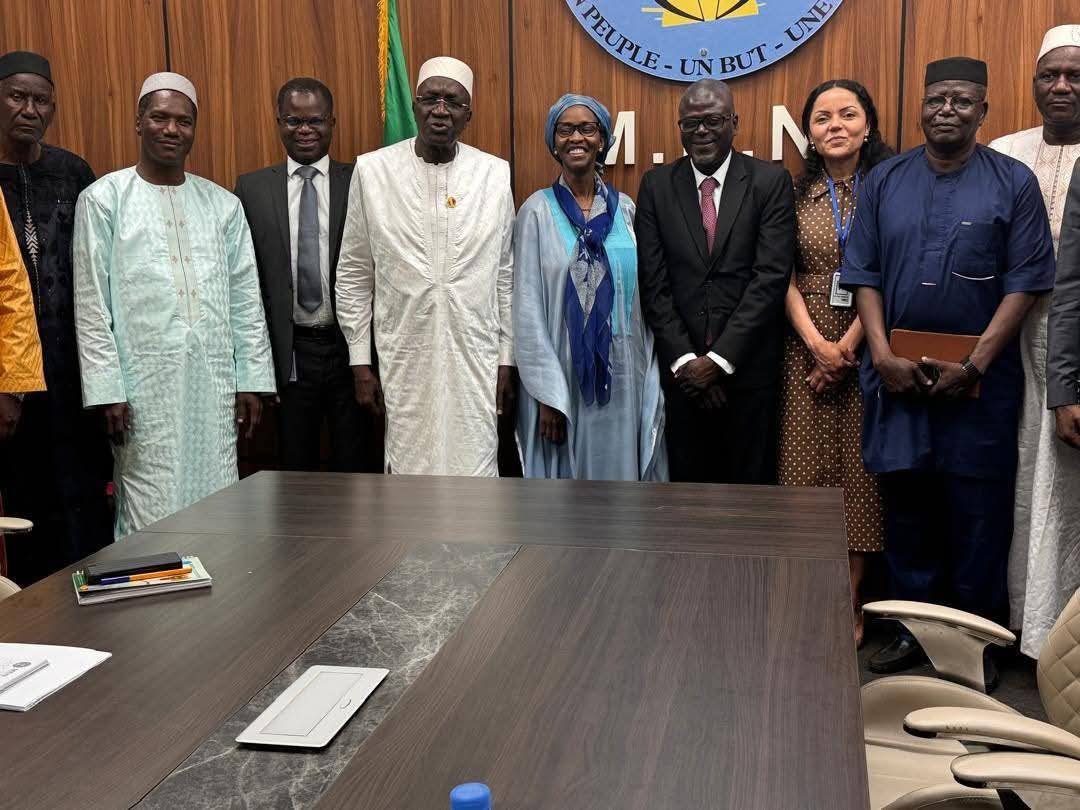
The Malian government and the World Bank are advancing a fresh collaboration aimed at addressing the pressing challenges facing the country’s education system. Persistent security threats, population displacements, and limited resources have created significant obstacles to learning across the nation.
On June 1st, Amadou Sy Savané, Mali’s Minister of National Education, welcomed a World Bank delegation led by Awa Cissé Wagué in Bamako. Discussions centered on upcoming initiatives designed to bolster human capital and enhance educational outcomes throughout the country.
According to Malian authorities, this enhanced partnership aligns with a broader development strategy backed by the World Bank. The collaboration extends beyond education to include critical areas such as electricity access and agricultural modernization, reflecting a comprehensive approach to national growth.
The initiative builds upon existing programs funded by the World Bank. Earlier this year, a $150 million investment from the International Development Association (IDA) was approved to sustain essential services in health and education. This funding targets over one million students by ensuring school enrollment, facilitating national examinations, and improving classroom conditions.
The education sector in Mali continues to grapple with the fallout of ongoing security crises. School closures, mass displacements, and restricted access to learning have severely undermined academic progress, making external support even more vital.
Next steps involve finalizing project details, funding mechanisms, and implementation timelines. For Bamako, this collaboration represents a pivotal opportunity to revitalize an education system deemed critical to the nation’s future prosperity.