
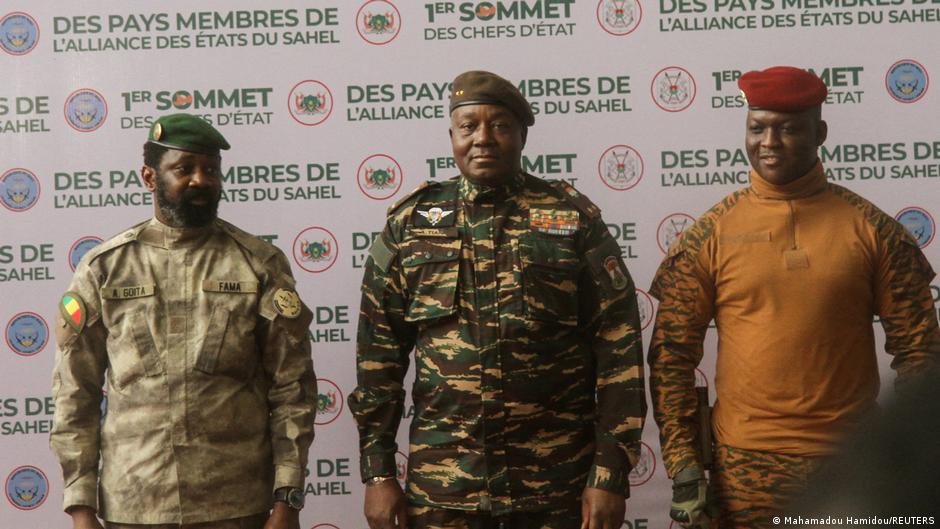
The recent diplomatic moves by the European Union and the United States in the Sahel region signal a potential recalibration of their strategies. While relations remain strained, subtle shifts in engagement are emerging, prompting questions about the future of cooperation with Sahelian governments.
emerging diplomatic overtures in the Sahel
The United States recently formalized a five-year bilateral agreement with Burkina Faso, pledging $147 million in aid focused on combating HIV and other diseases. Meanwhile, Washington reaffirmed its commitment to Niger’s sovereignty during a phone call with the transitional prime minister, Ali Mahamane Zeine. These gestures follow the European Union’s envoy, João Cravinho, visiting Mali despite strained relations with Bamako’s military leadership.
Are these incremental steps indicative of a broader shift in policy toward Sahelian nations? West Africa expert Francis Kpatindé weighs in on the evolving dynamics.
analyzing western engagement with sahelian regimes
Francis Kpatindé: Caution is warranted—the Sahel has repeatedly defied expectations, but there may be subtle signs of détente. While relations remain tense, there’s a cautious optimism that doesn’t yet amount to a full rapprochement.
DW: The U.S. has signaled renewed interest in Burkina Faso with a health-focused agreement. Could this be a turning point?
Francis Kpatindé: It’s a positive sign. Western powers are offering limited economic and humanitarian cooperation, security training, and acknowledging the risk of spillover instability. They’re also eyeing critical resources: Niger’s uranium, Burkina Faso’s gold, and Mali’s abundant gold reserves.
europe’s pivot to bilateral diplomacy
DW: Is the EU shifting from regional frameworks to country-specific engagements?
Francis Kpatindé: Exactly. Germany, for instance, maintains strong ties across the Sahel, even as France’s influence wanes. These countries no longer wish to follow France’s lead, given its colonial legacy in Mali, Niger, and Burkina Faso. Germany and Hungary provide alternative diplomatic channels, allowing France to maintain minimal contact with these regimes.
Western nations face a dilemma: disengage entirely and risk instability, or adapt to the new realities of Sahelian sovereignty. Their evolving strategies reflect this tightrope walk.