
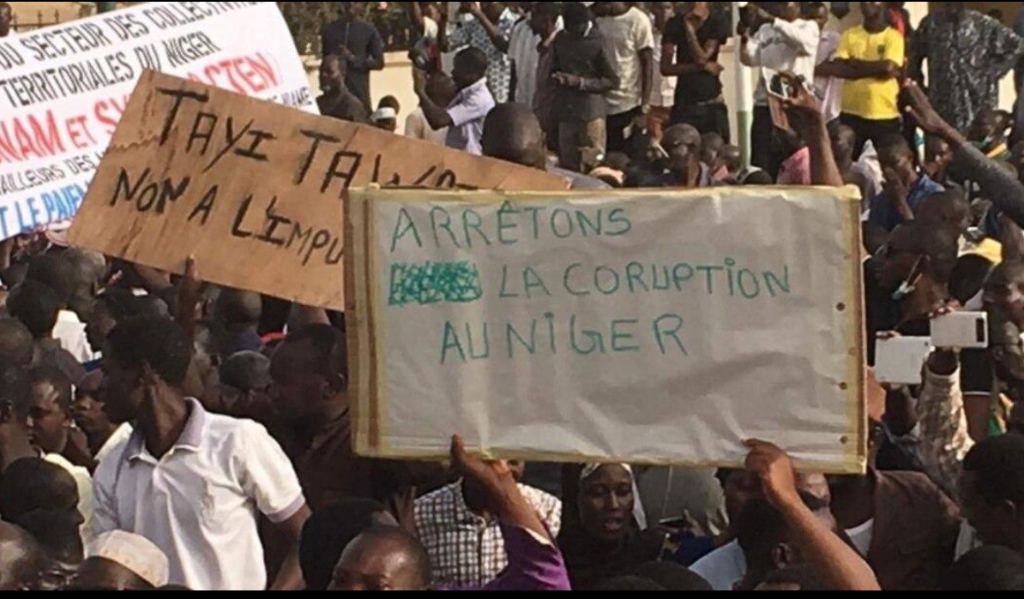
With the World Bank poised to inject an additional $760 million into Niger’s energy, agriculture and water sectors, the bigger question isn’t the size of the funds but whether the country can deploy them without repeating past governance failures. In just two years, the nation’s public budget transparency score plunged from 33 to a mere 6 out of 100 on the Open Budget Index, leaving citizens almost entirely locked out of financial oversight. As Niamey prepares to receive the largest single funding package in its history, the risk is not mismanagement alone—it is the erosion of the very safeguards that could expose corruption and waste.
From promise to peril: how $760 million can vanish without public scrutiny
The headline figure is undeniable: $760 million earmarked for critical infrastructure and social needs. Yet behind the announcement lies a collapsing framework for accountability. The International Budget Partnership’s most recent survey places Niger at 122nd out of 125 countries, with zero scores in citizen participation and budget oversight. These numbers are not abstract rankings; they represent blocked public records, silenced watchdog groups and a shrinking civic space where independent voices are increasingly restricted.
In this climate, even well-intentioned spending can become a vector for graft. Without verifiable project lists, disclosed procurement contracts and regular independent audits, the line between development finance and opaque transfers blurs quickly. The danger is not theoretical: countries with similar transparency gaps have seen similar pledges erode into unaccounted expenditures, leaving citizens to foot the bill.
Why transparency is the only currency that can’t devalue
A functioning democracy demands more than rhetoric about national sovereignty. If Niger’s government is to claim economic independence, it must first prove that public money can be tracked in real time. That requires three non-negotiable pillars: open data on every loan tranche, transparent bidding processes for every contract, and an empowered civil society free to scrutinize results.
Yet each of these pillars is currently under threat. Journalists face mounting restrictions, independent NGOs report arbitrary suspension of activities, and public consultations on budget matters have become rare. When oversight mechanisms collapse, the World Bank’s own fiduciary controls—no matter how robust—cannot compensate for the absence of citizen-led verification.
What the World Bank’s new deal must include to avoid repeating history
The institution is not powerless. Its partnership agreement should embed mandatory transparency clauses: full public disclosure of every allocation, standardized reporting templates, and quarterly audits by third-party firms selected through open competition. More importantly, disbursement should be tied to pre-agreed milestones, not lump-sum transfers that vanish into unmonitored accounts.
Equally critical is a clear exit clause: if Niger’s transparency score fails to rebound above the critical threshold of 61 within 24 months, the remaining tranches should be frozen until compliance is restored. Transparency is not a development luxury—it is the firewall that prevents future financial crises.
Sovereignty without accountability: the paradox Niger cannot afford
Niger’s leadership has framed economic diversification as the antidote to external dependence. But real sovereignty begins at home, with the willingness to open the books. A nation that secures hundreds of millions without subjecting their use to public debate does not strengthen its autonomy; it merely swaps one form of dependence for another—this time, dependence on unchecked executive power.
For the 760 million dollars to translate into tangible progress, the government must accept that transparency is not an obstacle but the foundation of credibility. Otherwise, the pledge risks joining past pledges in the annals of lost opportunities, where numbers on paper never match outcomes on the ground.