
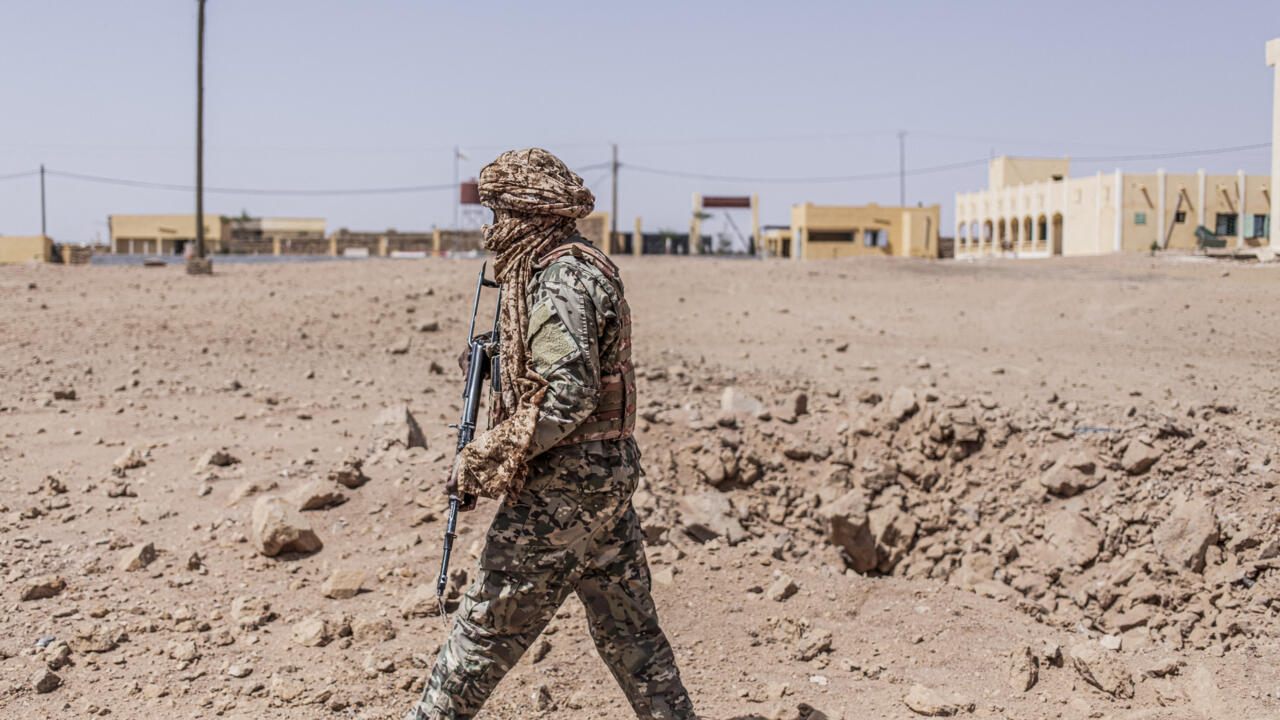
The Trump administration is weighing the possibility of military strikes against the Jama’at Nusrat al-Islam wal Muslimin (JNIM), an al-Qaeda-linked jihadist group exerting pressure on Mali’s ruling junta. According to insider sources, this potential operation would mark the eighth country targeted by U.S. strikes since the start of Donald Trump’s second term.
What do we know about the potential U.S. intervention?
While details remain scarce, reports suggest the White House is evaluating both the strategic and geopolitical implications of such a move. The JNIM has intensified its attacks in recent months, challenging the authority of Mali’s transitional government and destabilizing the region. A U.S. intervention could signal a shift in Washington’s approach to counterterrorism in the Sahel, particularly as the group’s influence grows.
Could American strikes fuel tensions with Russia?
One of the critical questions surrounding this potential operation is its potential impact on U.S.-Russia relations. Russia, through the Wagner Group, maintains a significant military presence in Mali, supporting the junta in its fight against armed groups. An American strike could exacerbate existing tensions between Washington and Moscow, especially in a region where both powers compete for influence.
The stakes are high: a military intervention could either weaken the JNIM’s capabilities or escalate conflict, with unpredictable regional consequences. As discussions continue in Washington, the world watches closely to see whether the U.S. will take decisive action—or opt for a more cautious approach.