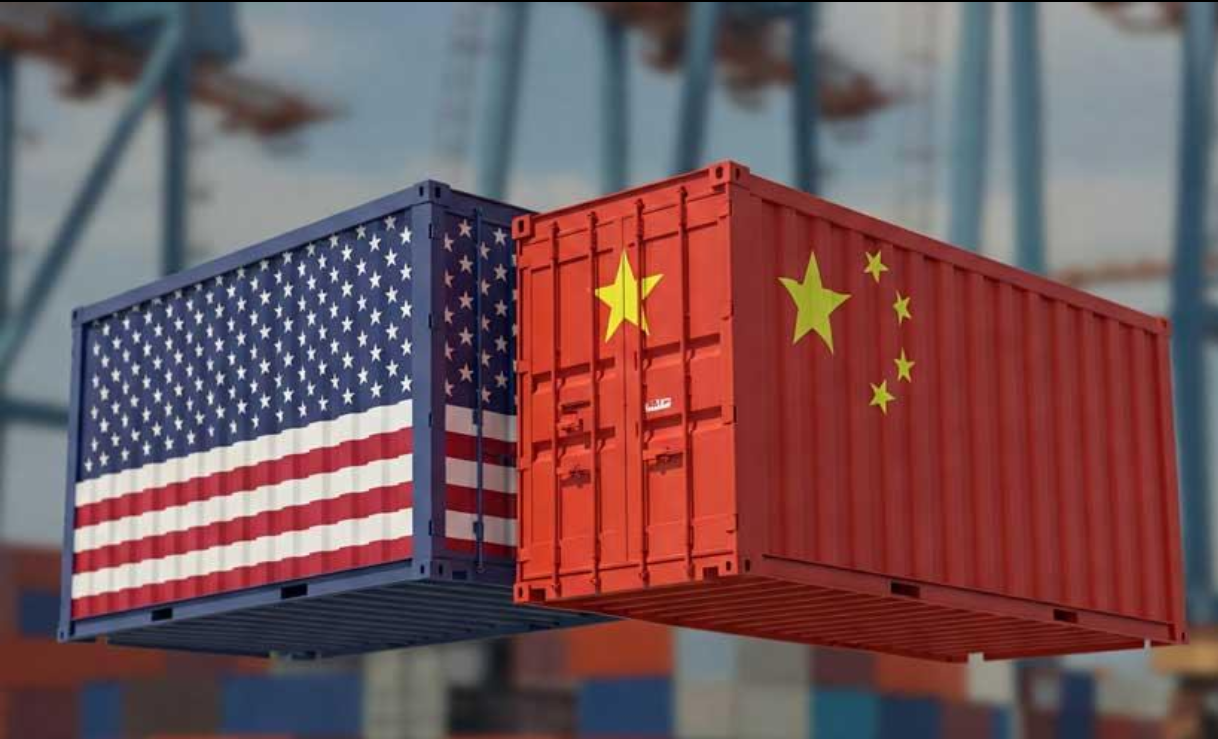
As global trade faces unprecedented pressure, the Trump administration is preparing a bold new chapter in its protectionist playbook. Washington is set to impose sweeping new tariffs on 14 major economic partners, including China, the European Union, Japan, India, and key Southeast Asian economies. The move marks a deliberate escalation in trade tensions, with Beijing facing the steepest penalties—potential duties as high as 20% on Chinese imports.
Why are these 14 economies now in the crosshairs of US trade policy?
The White House’s latest tariff strategy targets countries accused of flooding American markets with artificially cheap goods while undermining domestic manufacturing. The list spans major industrial powers, emerging economies, and critical trade hubs:
- China – the primary focus, facing a potential 20% tariff boost
- European Union – a long-standing trade rival
- Japan and South Korea – key Asian allies now under scrutiny
- India and Taiwan – both flagged for industrial overcapacity
- Southeast Asian giants: Vietnam, Thailand, Malaysia, Indonesia, Singapore, Cambodia, and Bangladesh
- Switzerland – a traditional trade partner now facing punitive measures
The administration argues these economies distort global trade by relying on export-driven growth strategies, which Washington claims harm American workers and businesses across sectors like steel, electronics, and textiles.
A calculated gamble on American jobs versus global trade stability
The proposed tariffs are more than just economic leverage—they represent a high-stakes bet on whether protectionism can revive American manufacturing. By slapping higher duties on imports, the Trump administration aims to:
- Make foreign goods more expensive, theoretically encouraging domestic production
- Protect US industries from what it calls ‘unfair competition’ driven by state-subsidized industries
- Force supply chains to reconsider their reliance on low-cost manufacturing hubs
Yet the strategy carries clear risks. Higher import costs could trickle down to US consumers, pushing prices up across a range of goods from electronics to clothing. Meanwhile, targeted nations may respond with retaliatory measures, targeting American exports like agricultural products, machinery, or technology.
Which industries and countries stand to lose the most?
While China faces the most aggressive tariff hikes, other economies heavily dependent on the US market could see severe disruptions. Southeast Asian manufacturing hubs, for example, risk losing competitiveness if their goods become significantly more expensive in the American market. Similarly, European exporters of luxury goods, automobiles, and industrial equipment may face steep duties, potentially reshaping transatlantic trade flows.
The sectors most vulnerable to tariff impacts
- Electronics and technology: Many components are manufactured in China, Vietnam, and Malaysia.
- Automotive and aerospace: European and Japanese manufacturers rely heavily on US exports.
- Textiles and apparel: Bangladesh and Cambodia, key suppliers to US retailers, could see orders decline.
- Agriculture: US farmers may face barriers in markets like India and the EU.
The breadth of the tariff plan—spanning Asia, Europe, and beyond—signals a fundamental shift in US trade policy. No longer confined to the US-China rivalry, Washington is wielding tariffs as a universal tool to reshape global commerce in its favor.
Could this trigger a chain reaction of trade retaliation?
History suggests that tit-for-tat tariff wars rarely end well. If affected nations respond with their own trade barriers, the global ripple effects could be severe:
- Disrupted supply chains that rely on just-in-time manufacturing across borders
- Lower global economic growth due to reduced trade flows
- Higher prices for consumers worldwide as businesses pass on tariff costs
- Erosion of trust in multilateral institutions like the WTO
The administration has invited public feedback, with a submission deadline set for January 2027 and hearings to follow. But as the clock ticks, industries worldwide are bracing for impact—whether through higher costs, lost market access, or a full-blown trade upheaval.
Is this the end of free trade as we know it?
The Trump administration’s tariff offensive is more than a policy adjustment—it’s a declaration that economic sovereignty trumps globalization. By weaponizing tariffs against a dozen major economies, Washington is testing the limits of trade leverage. The question now is not just how these measures will affect individual countries, but whether they will redefine the very foundation of international commerce.
As businesses and governments weigh their next moves, one thing is clear: the era of predictable trade relationships is fading fast.