The unfulfilled dream of Dalaal Diam: what happened to the promised returns?
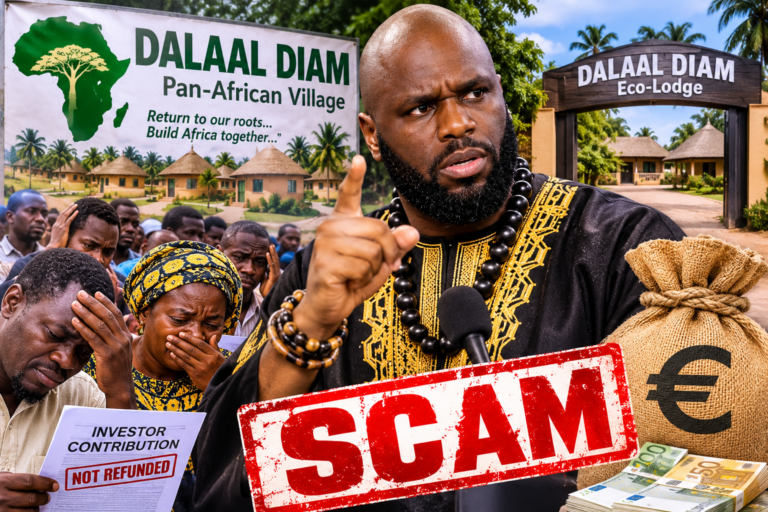
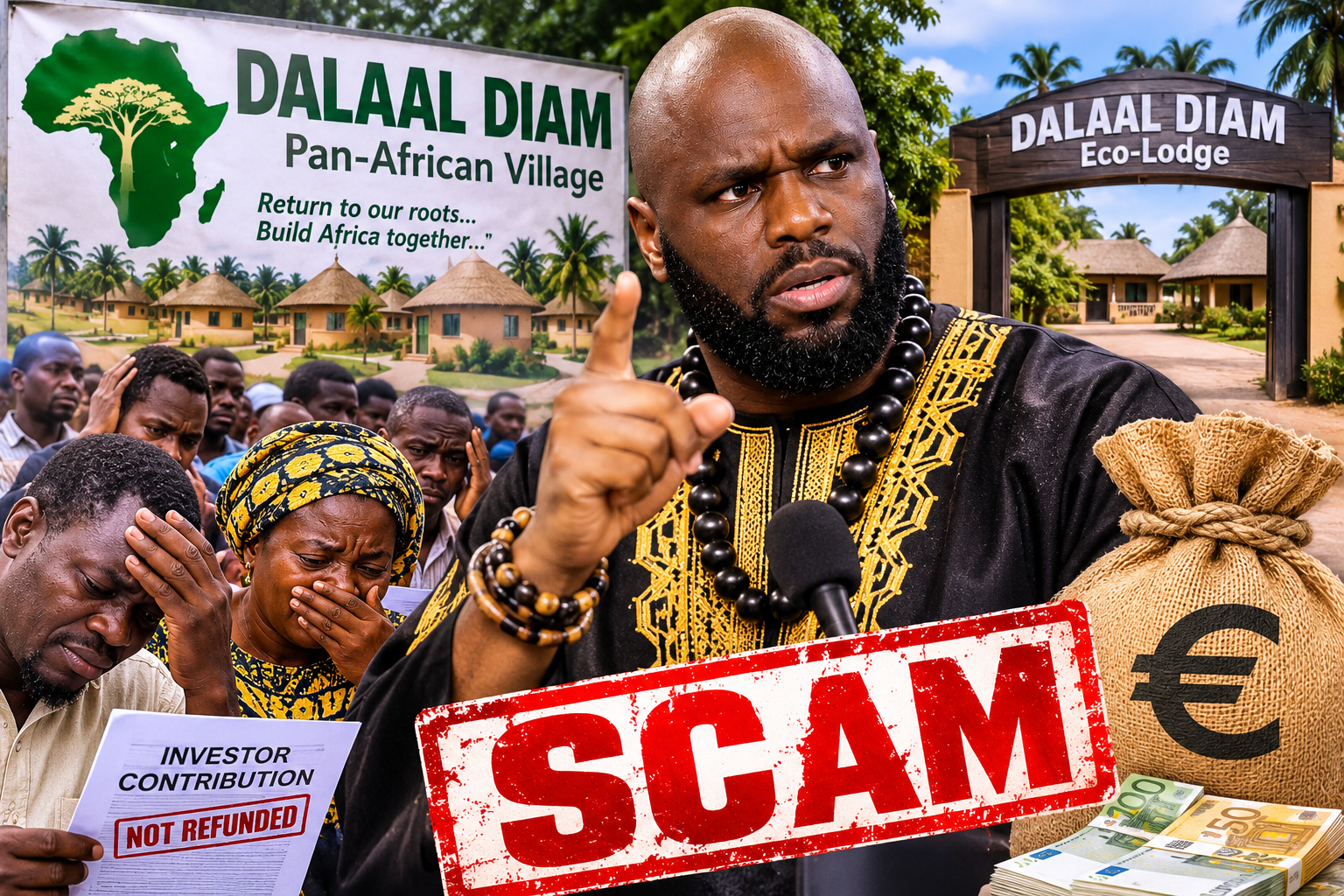
The year 2011 marked the launch of Dalaal Diam, an ambitious project spearheaded by activist Kémi Séba born Stellio Capo Chichi under the banner of Pan-Africanism. Positioned as a symbol of cultural revival and economic empowerment, the venture promised to create a panafrican village in Senegal through the entity Afrikan Mosaïque. The initiative aimed to facilitate the return of Afro-descendants to Africa while fostering self-reliance and communal development, echoing Marcus Garvey’s vision.
Backed by a projected budget of €360,000 and eight hectares of land, Dalaal Diam was marketed as a tangible step toward turning Pan-African rhetoric into reality. Yet, the stark contrast between the initial promises and subsequent events raises critical questions about accountability and financial stewardship.
From vision to abandonment: the project’s dramatic shift in direction
By 2012 and 2013, the project’s original objectives had stalled, with multiple components either abandoned or abandoned entirely. The flagship concept of a panafrican village gave way to a scaled-down initiative: an eco-lodge slated to open in January 2014. This transformation starkly contrasted with the revolutionary rhetoric that had mobilized early investors.
The shifting priorities left many contributors disillusioned, particularly as the project’s leadership continued to rely on mobilizing rhetoric even repurposing the project’s name, Dalaal Diam, meaning ‘peace be with you’ in Wolof, as a public greeting. While the name carried symbolic weight, it did little to address the financial void left in its wake.
The missing funds: why early investors still await their money
The most troubling aspect of Dalaal Diam’s failure lies in the unresolved financial claims of its earliest backers. Despite the abandonment of key initiatives and the rebranding of the project, contributors report never receiving refunds for their investments. The gap between the lofty promises of Pan-African solidarity and the reality of financial neglect has left a legacy of distrust.
The questions are pressing: who managed the collected funds, and where were they allocated? Why have investors not been reimbursed, even as the project’s leadership continues to leverage its name? The lack of transparency surrounding these transactions underscores a fundamental breach of trust.
The moral cost of unfulfilled panafrican promises
Dalaal Diam’s story is not merely one of financial mismanagement it is a cautionary tale about the ethical obligations of visionary projects. Pan-Africanism, as a movement, is rooted in solidarity and shared responsibility. When such ideals are weaponized to solicit funds without delivering on commitments, the movement itself risks erosion.
The unresolved fate of Dalaal Diam’s investors serves as a stark reminder: idealism without integrity is unsustainable. Accountability must be upheld, and those who entrusted their resources deserve clarity. Without answers, the legacy of Dalaal Diam remains not one of progress, but of unkept promises.
By Yvette Tchuente — Journalist