
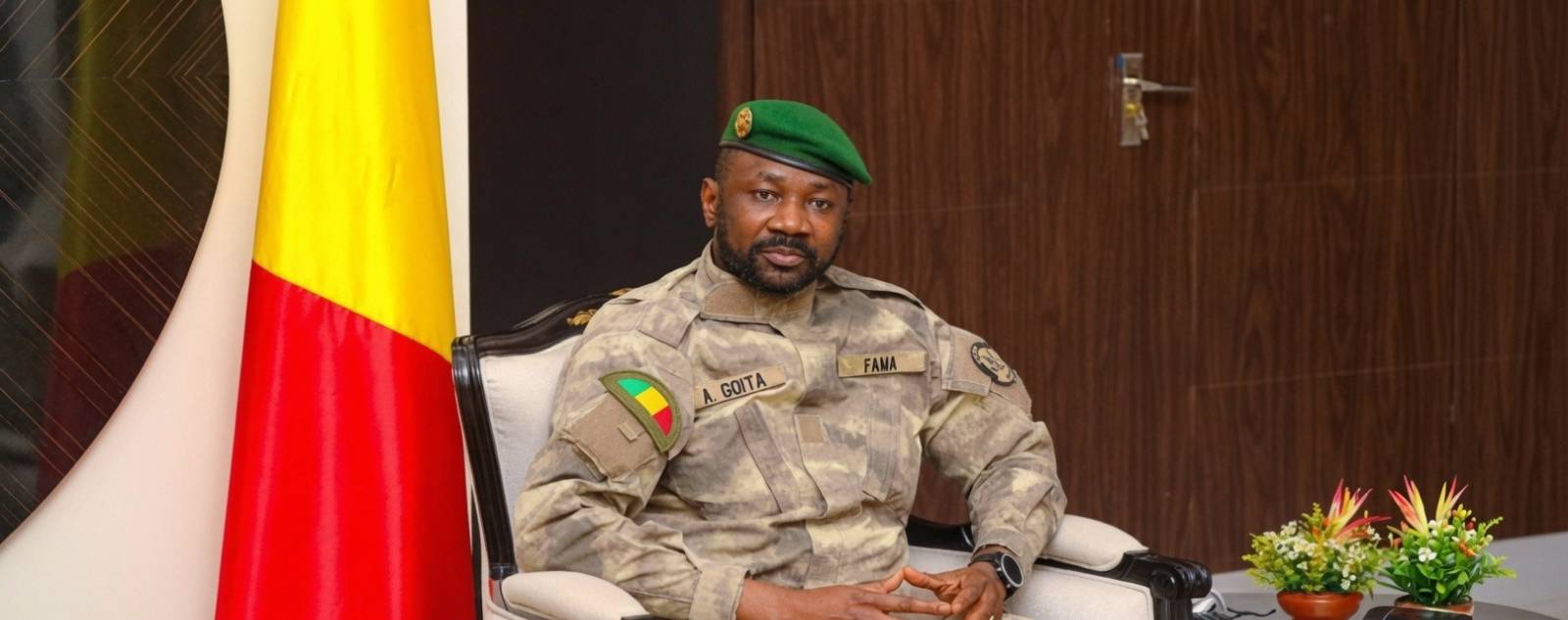
In Mali, the promise of a military-led transition was simple: reclaim the nation’s sovereignty and restore peace. Yet beneath the rhetoric of triumphant communiqués and renewed strength, a grim truth is unfolding. As Malian armed forces and their Russian-affiliated Africa Corps allies pursue an aggressive counterterrorism campaign, they are systematically violating international humanitarian law—turning the fight for security into a daily nightmare for civilians.
What the law demands — and what the battlefield delivers
Mali has signed onto the Geneva Conventions since 1965 and the Additional Protocols since 1989, clearly defining obligations: to distinguish civilians from combatants, to ban degrading treatment, and to protect detainees. Military training once included education on the laws of armed conflict. But today, the divide between doctrinal rules and battlefield orders is wider than ever.
Civilian massacres are no longer isolated incidents—they have become standard operating procedure. The use of brute force has replaced strategy, and the cost is paid in human lives.
Documented atrocities: the human toll behind the headlines
Amid the shifting sands of Mali’s conflict zones, a haunting pattern has emerged. Investigations by human rights organizations reveal a trail of abuses attributed directly to Malian forces and their allied mercenaries in the center and north of the country. These include extrajudicial killings, torture through electric shocks and waterboarding, enforced disappearances, and the wholesale destruction of villages.
Peul communities—already caught between jihadist terror and state repression—are among the hardest hit. Hundreds have been displaced, traumatized, or killed in what amounts to a humanitarian catastrophe.
The silence after MINUSMA’s departure
In late 2023, Mali unilaterally demanded the withdrawal of the UN peacekeeping mission (MINUSMA). The move wasn’t just political theater; it was a calculated decision to shut down external oversight. With international monitors gone, the junta gained de facto impunity. The result? A surge in human rights violations the following year, precisely where accountability had vanished.
Remote monitoring by NGOs has its limits. Without boots on the ground, abuses go unreported, unchallenged, and unpunished.
Why justice has vanished from the equation
The judicial landscape has turned into a dead end. Mali’s withdrawal from the International Criminal Court and the political capture of domestic courts have closed every avenue for accountability. Regional bodies like the African Union and ECOWAS offer only cautious statements—too little, too late—to influence Bamako’s military-first approach.
Diplomatic pressure has collapsed into silence, leaving civilians without protection and armed groups with a growing pool of recruits fueled by rage and despair.
The long-term cost of a strategy built on fear
By replacing due process with force and ignoring humanitarian law in the name of security, the Malian junta is gambling its legitimacy away. Instead of crushing insurgency, it is breeding it. Every civilian killed, every village burned, every life destroyed in the name of ‘reconquest’ deepens mistrust in the state.
In the end, the junta may realize a bitter truth: a state that violates the rights of its own people loses the moral authority to protect them—and becomes part of the problem it claims to solve.