
Unlocking new markets: what the UAE zero-tariff pact means for Benin’s farmers and factories
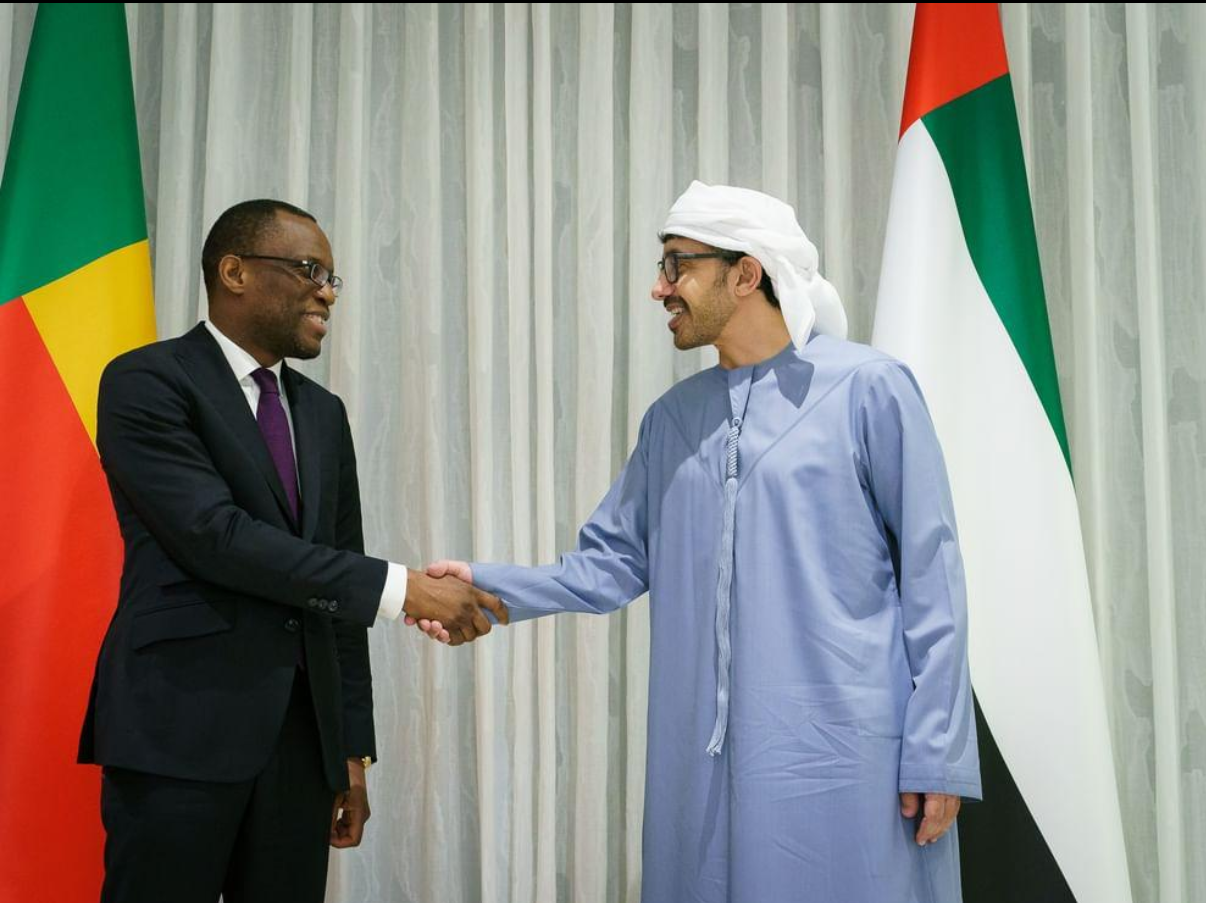
The question driving Benin’s economic future is straightforward: how can a single trade agreement turn unprocessed crops into high-value exports, slash rural poverty, and create thousands of jobs by the end of the decade? On October 25, 2026, President Romuald Wadagni and UAE leader Sheikh Mohamed bin Zayed Al Nahyan sealed a landmark economic partnership in Abu Dhabi. At its core lies an unprecedented commitment—more than 3,000 Beninese products will enter the UAE market free of customs duties once the accord clears its final legal hurdles. From cotton bales to cashew kernels, shea butter to processed foods, the list spans sectors that employ millions across Benin’s hinterlands.
The stakes could not be higher. With rural incomes stagnant and youth unemployment hovering above 30 %, this zero-tariff gateway arrives as a potential lifeline for cooperatives, SMEs, and logistics networks alike. Yet, the path from signed paperwork to tangible household earnings will demand more than lower import fees—it will require smarter post-harvest handling, tighter quality controls, and financing channels that reach the village level.
Which Beninese goods stand to gain the most under the UAE deal?
Among the 3,000 duty-free lines, five agricultural and agro-industrial clusters emerge as early frontrunners:
- Cotton lint and yarn – UAE textile mills currently import nearly 150,000 tonnes annually; duty elimination could push Beninese lint straight to spinning plants in Dubai and Sharjah.
- Raw cashew nuts and kernels – Processors in Parakou and Bohicon could see margins rise 8–12 % once tariffs of 5–7 % vanish, lifting returns for 220,000 small-scale farmers.
- Soybeans and soya meals – Rising demand for livestock feed in the Gulf gives Benin a chance to graduate from bean exporter to meal exporter.
- Shea kernels and refined butter – UAE confectionery giants buy 40,000 tonnes yearly; removing the 10 % duty could funnel more shea butter through Cotonou’s new refining hubs.
- Processed foods – Canned pineapples, yoghurt, and instant soups produced in Abomey-Calavi and Lokossa could finally compete on price against Vietnamese and Thai brands.
For each cluster, the immediate prize is lower shipping costs into the UAE; the long-term prize is brand recognition that commands premiums on global shelves. Yet, capturing that added value will hinge on upgrading storage facilities, meeting ISO quality norms, and locking in long-term offtake contracts before competitors in Côte d’Ivoire or Nigeria do.
From farm gate to paycheck: how zero tariffs could reshape livelihoods
Beyond the boardroom, the deal’s ripple effects could touch every link in the value chain:
- Agricultural cooperatives – 1.4 million smallholders, many of them women, may see steady orders for certified organic cashew or non-GMO soya, justifying higher input investments.
- Agro-processors – Existing mills in Parakou or Porto-Novo will need seasonal credit lines to stockpile raw materials during harvest peaks and avoid costly downtime.
- Logistics and cold-chain operators – Warehouse space around Cotonou Port is already tight; new refrigerated containers for shea butter and pineapple pulp will require warehouse retrofits worth $18–22 million.
- Transport SMEs – With UAE-bound cargo projected to jump 45 % by 2029, local hauliers could add 800–1,200 trucks to the fleet, creating 3,000 to 4,000 driving and maintenance jobs.
- Retail and export packaging firms – Compliance labels, Arabic-language manuals, and moisture-resistant bags will spawn new cottage industries along the N1 corridor.
The largest multiplier effect may land in the countryside. If just 25 % of the projected $1.1 billion in additional exports materialises by 2030, rural household incomes could climb 14–18 %, lifting an estimated 250,000 people above the poverty line. Women-run shea cooperatives in Natitingou and Tanguiéta stand to gain disproportionately, provided they secure micro-loans for solar dryers and stainless-steel churns.
Can Benin move beyond raw exports and capture real value?
The deal’s text is clear: tariffs disappear. The real test is whether Benin can orchestrate a structural shift from selling raw beans to selling finished goods. Current bottlenecks include:
- Quality certification – UAE buyers reject up to 18 % of cashew consignments for aflatoxin levels; labs in Cotonou must secure ISO 17025 accreditation within 18 months.
- Trade finance gaps – Banks still demand 110 % collateral for export prepayments; a partial credit guarantee scheme could shave that to 30 %.
- Logistics costs – Freight from Cotonou to Dubai averages $2,400 per container versus $1,900 from Abidjan; port efficiency upgrades could close half the gap.
- Skills mismatch – Only 3 % of Beninese agro-processors comply with Hazard Analysis Critical Control Points (HACCP); training centres need to graduate 1,500 certified technicians yearly.
Government and private investors are already piloting solutions: a $45 million shea industrial park in Djougou, a $28 million cashew processing zone in Kétou, and a $12 million solar-powered cold chain in Savè. If these projects reach 60 % utilisation by 2028, the added value captured locally could vault from 19 % to 34 % of total export value—still below Ethiopia’s 45 %, but a notable step forward.
What the numbers already tell us about UAE–Benin commerce
Two-way trade outside oil already hit $2.15 billion in 2025, a 65 % year-on-year leap. In the first half of 2026 alone, non-oil trade stood at $1.29 billion, up 37 % from the same period last year. UAE officials forecast Beninese exports could climb another $100 million by 2033, assuming the new tariff regime is fully implemented and infrastructure bottlenecks are eased.
Energy and renewables also feature in the expanded partnership. Emirati investors are eyeing solar-powered mini-grids for northern Benin and natural-gas logistics hubs in Cotonou. Such investments could slash electricity costs for agro-processors from 14 cents/kWh to 9 cents, adding another 6 % margin on food exports.
Five immediate steps to turn paper into prosperity
To ensure the zero-tariff pact delivers on its promise, stakeholders will need to act within the next 12–18 months:
- Fast-track lab accreditation – Prioritise ISO 17025 certification for aflatoxin and pesticide testing to regain UAE buyer trust.
- Launch a partial credit guarantee fund – Capitalised at $35 million, the fund would reduce collateral requirements for 400 SMEs.
- Rehabilitate the Cotonou–Parakou rail link – Restoring two daily container trains could cut overland freight to Lagos hubs by 28 %.
- Create a bilingual export portal – An online platform listing UAE tariff codes, halal certification rules, and Arabic packaging templates.
- Roll out HACCP boot camps – Free certification courses for 2,000 processors, co-financed by the UAE-Benin joint investment committee.
Without these moves, the tariff windfall risks being captured by foreign traders who buy cheap Beninese beans, process them in Vietnam, and re-export to Dubai—leaving local mills idle and rural wages flat. The lesson from Rwanda’s coffee sector shows that a 10 % tariff cut alone lifts farm-gate prices only 2–3 % unless accompanied by traceability systems and direct buyer links.
The hour is now: turning a diplomatic win into a prosperity multiplier
Benin has never had a clearer route to export-led growth. The UAE deal removes the single largest price handicap facing Beninese goods. What remains is implementation discipline: upgrading quality, financing production at the village level, and negotiating long-term supply contracts before competitors do.
In the corridors of power and in the dusty alleys of northern cotton cooperatives, the same question echoes: will this moment translate into real jobs, steady incomes, and a diversified economy—or will it remain another signed treaty gathering dust on a shelf? The answer lies in the decisions made over the next two harvest cycles.
The potential is undeniable. The timeline is tight. The choice belongs to Benin’s farmers, processors, bankers, and policymakers.