
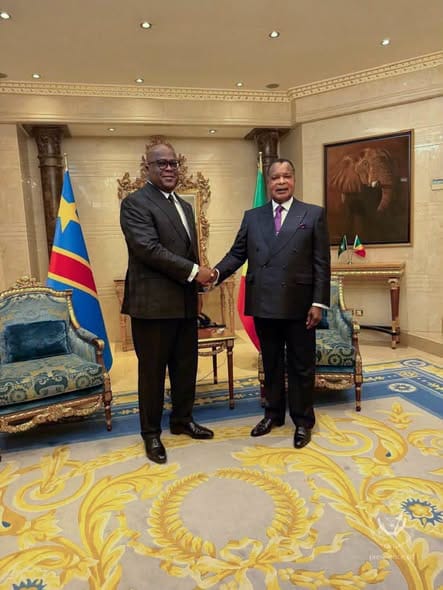
The sudden clash at Makotipoko wasn’t just another border skirmish—it exposed deeper systemic strains between Kinshasa and Brazzaville that both presidents moved quickly to contain. During an unscheduled meeting in Brazzaville on October 3, 2026, Félix Tshisekedi and Denis Sassou Nguesso didn’t just shake hands on a joint statement; they dismantled the fuse before it could detonate regional stability.
Under the surface: what made Makotipoko a pressure cooker
The Makotipoko incident stemmed from a chain reaction: overlapping fishing zones, disputed river boundaries, and the unchecked flow of small arms across the Congo River. While the incident itself lasted barely 90 minutes, the underlying fractures had simmered for years—
- Resource overlap: both militaries claim historical fishing rights in the same stretch of water, creating de-facto zones of contention.
- Demographic pressure: waves of displaced fishermen have pushed deeper into contested waters, amplifying chances of direct confrontation.
- Institutional inertia: previous agreements existed on paper, but neither side had implemented joint patrols or clear demarcation protocols.
Put together, these factors turned a local incident into a regional powder keg—one neither leader could afford to let explode.
Diplomatic triage: how an emergency summit defused the crisis
The urgency in Tshisekedi’s words—“We are one people, we share the same culture”—wasn’t theatrical. It reflected his realisation that any escalation could spill into Kinshasa’s densely populated riverfront, igniting protests and cross-border retaliation. Sassou Nguesso, facing twin economic and security crises, needed to show decisive leadership without appearing weak.
The breakthrough came not from grand treaties but from three concrete steps:
- Real-time monitoring: joint river patrols to be launched within 72 hours, using GPS-tagged boats donated by the African Union’s river security fund.
- Demilitarised corridors: temporary ceasefire lines along the most volatile 30 km stretch, policed by mixed RDC-R Congo platoons under UN flag.
- Compensation protocol: an escrow fund seeded by both treasuries, administered by the African Development Bank, to cover immediate medical and livelihood costs.
These measures were never intended to solve the border question once and for all, but to buy breathing room—breathing room both presidents needed to stabilise their domestic fronts.
Money talks: what compensation means for river communities
For hundreds of fishermen whose nets were seized or boats damaged, the agreement was more than political theatre—it was survival. Under the new protocol, payments will reach victims within 14 days, with amounts tied to documented losses rather than abstract formulas. The fund is deliberately transparent, with daily SMS notifications in Lingala, Kituba and French to prevent mismanagement or graft.
Local leaders in Mbandaka and Impfondo report tentative calm returning to the river markets. Yet scepticism lingers: will Kinshasa and Brazzaville keep their promises once domestic pressure subsides?
The wider lens: how this fix changes Congo River politics
Makotipoko exposed a paradox: the Congo River, lifeline for 40 million people, is also its most volatile border. The emergency summit reset the psychology—not by pretending the border is clear, but by acknowledging that coexistence is possible even without perfect lines. It set a precedent the African Union is already citing in similar disputes from Lake Victoria to the Niger delta.
Yet the deal’s durability hinges on one factor neither leader controls: the next military hotspot. Until Kinshasa and Brazzaville institutionalise river governance—joint river commissions, shared early-warning systems—the cycle could restart at the next fishing season.
