
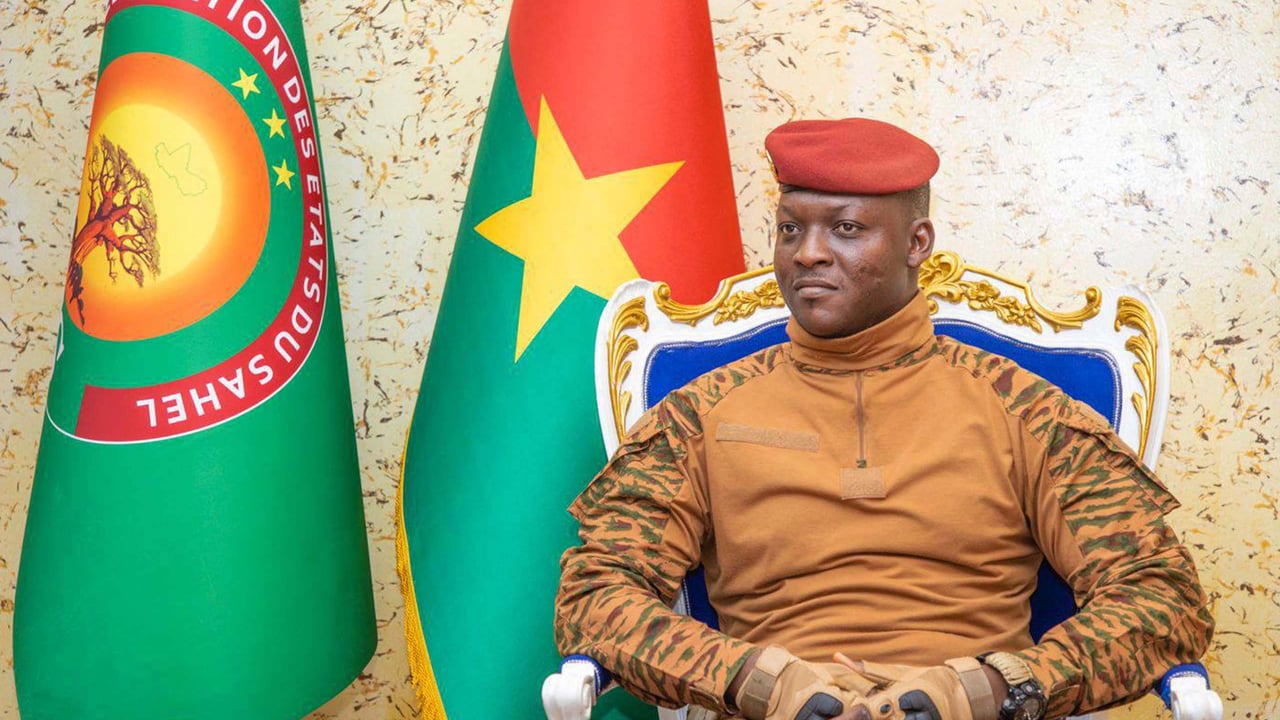

Reporters Without Borders (RSF) has leveled serious allegations against Burkina Faso’s transitional leader, Ibrahim Traoré, accusing him of operating a coordinated “digital militia” designed to intimidate and silence independent journalists across the country. The organization’s findings suggest a systematic campaign targeting media professionals who challenge official narratives.
The report highlights how this alleged network amplifies disinformation, spreads smear campaigns, and employs sophisticated online tactics to suppress dissenting voices. According to RSF, the group operates with near impunity, exploiting social media platforms and encrypted messaging apps to disseminate false narratives and harass critics of the current administration.
The accusations come at a time when Burkina Faso’s media landscape faces unprecedented pressure. Journalists covering security crises, political unrest, or alleged human rights violations increasingly report threats, censorship, and professional obstacles. RSF’s investigation points to a deliberate strategy to undermine press freedom, particularly in Ouagadougou, where dissent against the transitional government has grown louder in recent months.
How the alleged digital militia operates
The so-called “digital militia” is said to function through a decentralized structure, relying on anonymous accounts and bot networks to flood online spaces with propaganda. Key tactics include:
- Coordinated harassment: Journalists receive coordinated threats via social media, email, and messaging apps, often accompanied by fabricated scandals to damage their reputations.
- Disinformation campaigns: False narratives are spread to discredit critical reporters, portraying them as enemies of the state or foreign agents.
- Surveillance and doxxing: Some journalists have reportedly been subjected to invasive monitoring, with personal details leaked online to intimidate them or their families.
- Algorithmic manipulation: The group allegedly exploits platform algorithms to suppress critical content while amplifying pro-government messaging.
RSF’s findings underscore the growing sophistication of digital repression tools in Burkina Faso, where traditional censorship methods are increasingly supplemented by cyber warfare tactics. The organization warns that such strategies not only threaten individual journalists but also erode public trust in independent media.
Reactions from Burkina Faso’s media community
Local journalists and press freedom advocates have expressed alarm over the allegations, describing the situation as a “full-blown crackdown on free speech”. Many reporters now operate under heightened self-censorship, fearing retaliation for their work. Some have fled the country, while others have abandoned investigative journalism altogether to avoid putting themselves or their sources at risk.
A prominent editor in Ouagadougou, who requested anonymity due to safety concerns, stated, “We are witnessing a systematic dismantling of press freedoms. The digital militia doesn’t just target us—it aims to silence the entire public from accessing unfiltered information.”
International organizations monitoring press freedom have echoed these concerns, calling on Burkina Faso’s transitional authorities to investigate the claims and hold those responsible accountable. However, government officials have yet to respond publicly to RSF’s accusations.
Press freedom in Burkina Faso: A deteriorating landscape
Burkina Faso’s ranking on global press freedom indices has plummeted in recent years, with journalists facing arrests, arbitrary detentions, and physical attacks. The emergence of the alleged digital militia marks a new and dangerous phase in the country’s repression of dissenting voices. Observers note that the tactics employed mirror those used in other conflict zones, where authoritarian regimes seek to control narratives by any means necessary.
As digital repression tools grow more advanced, the stakes for Burkina Faso’s media community could not be higher. Without urgent action from both domestic and international actors, the country risks losing one of its most vital democratic institutions: a free and fearless press.