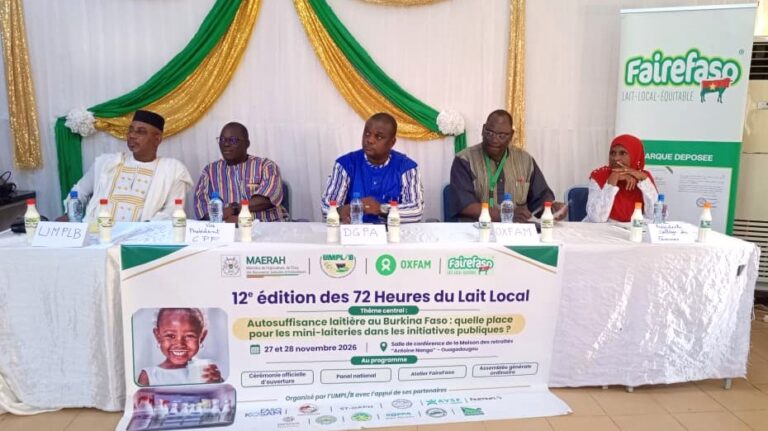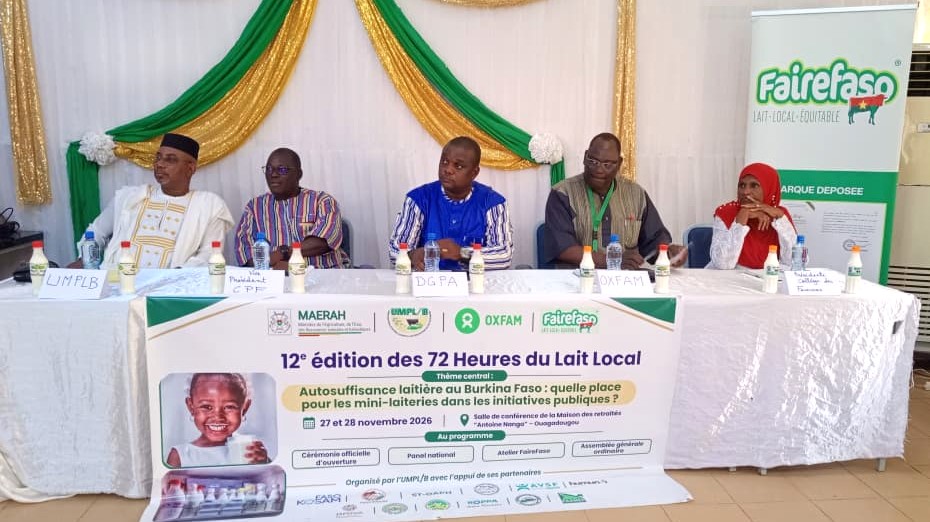
The 12th edition of the Local Milk 72 Hours event kicked off in Ouagadougou on November 27, 2026, with a laser focus on integrating small-scale milk processors into national public initiatives. The theme, « Local dairy self-sufficiency in Burkina Faso: what role for mini-dairies in public initiatives? » set the stage for three days of targeted discussions aimed at bridging gaps between local milk processors and policymakers.
A network delivering measurable impact
Since its inception in 2015, the Local Milk 72 Hours event, organized by the National Union of Mini-Dairies and Local Milk Producers of Burkina Faso (UMPLB), has become a critical platform for dialogue, capacity building, and market development in the local dairy sector.
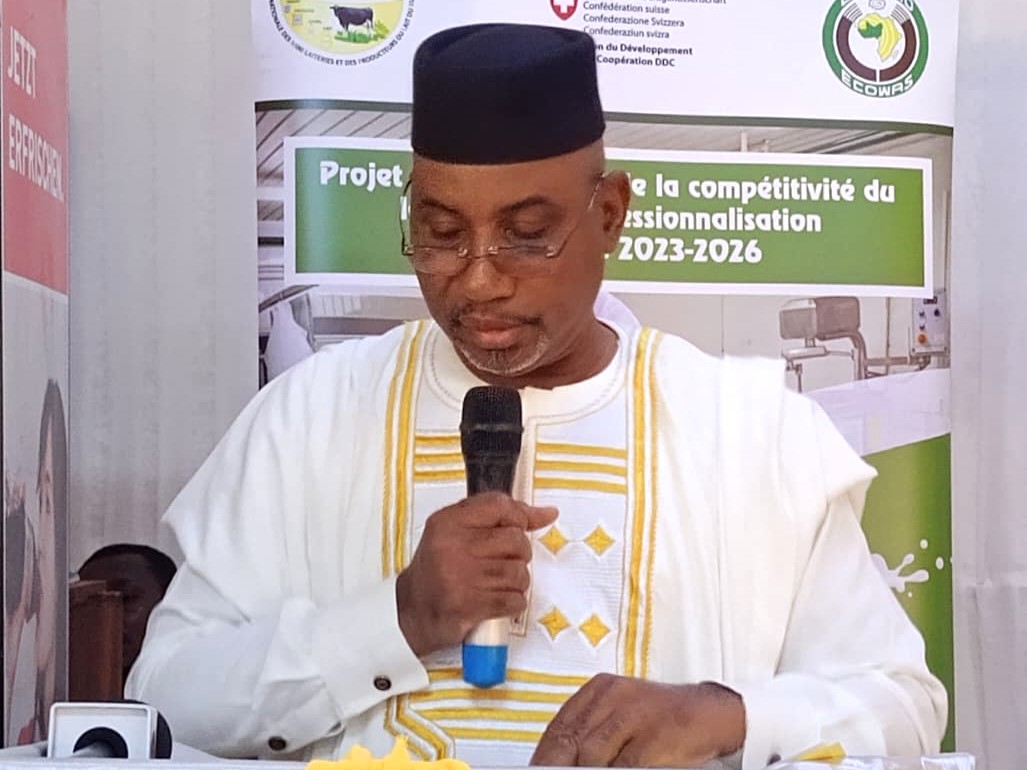
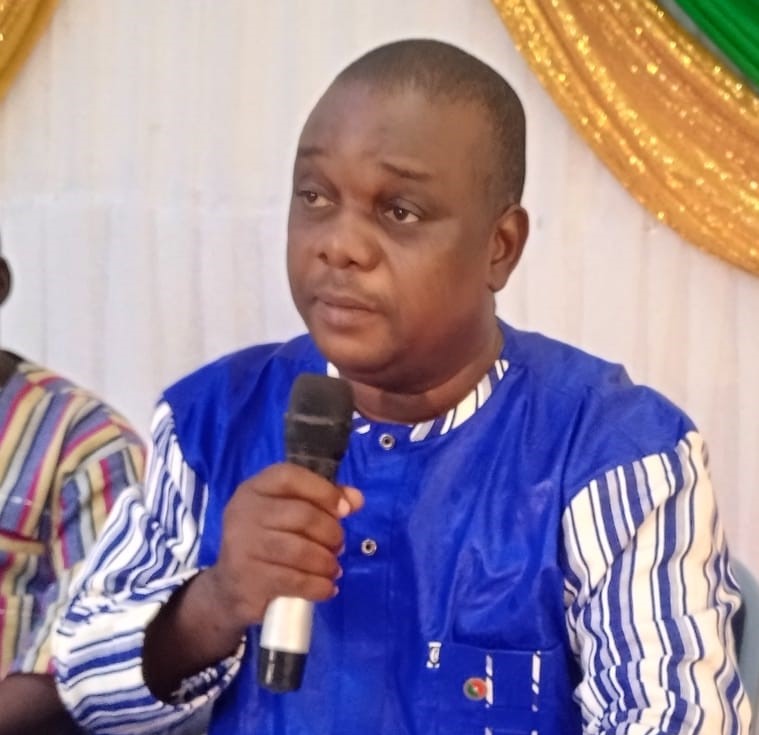
UMPLB president El Hadj Ibrahim Adama Diallo emphasized the urgent need to formalize the role of mini-dairies as key partners in public dairy policies. « We aim to transition from recognition to active partnership. These units are not just processors—they are engines of food sovereignty and job creation, » he stated.
By the numbers: growth and employment in 2025
The network’s 2025 performance figures underscore its growing influence:
- 101 mini-dairies and 94 producer organizations, supporting approximately 4,000 members—80% of whom are women and 35% young people.
- 1.83 million liters of local milk collected in 2025.
- 1.3 billion FCFA in annual turnover—up from previous years.
- 612 jobs generated: 250 direct and 362 indirect roles, based on an average of five direct and seven indirect jobs per unit.
These results reflect progress in professionalization. Since 2021, over 300 actors have received professional certification training in seven dairy-related trades, with support from green economy initiatives.
Branding and market development
The network has launched nine “resto-laits” (milk restaurants), expanding access to locally processed dairy. In December 2023, it registered a collective brand, “FaireFaso lait-local-équitable,” with the African Intellectual Property Organization (OAPI), signaling a new phase of market identity and quality assurance.
Policy integration: the next frontier
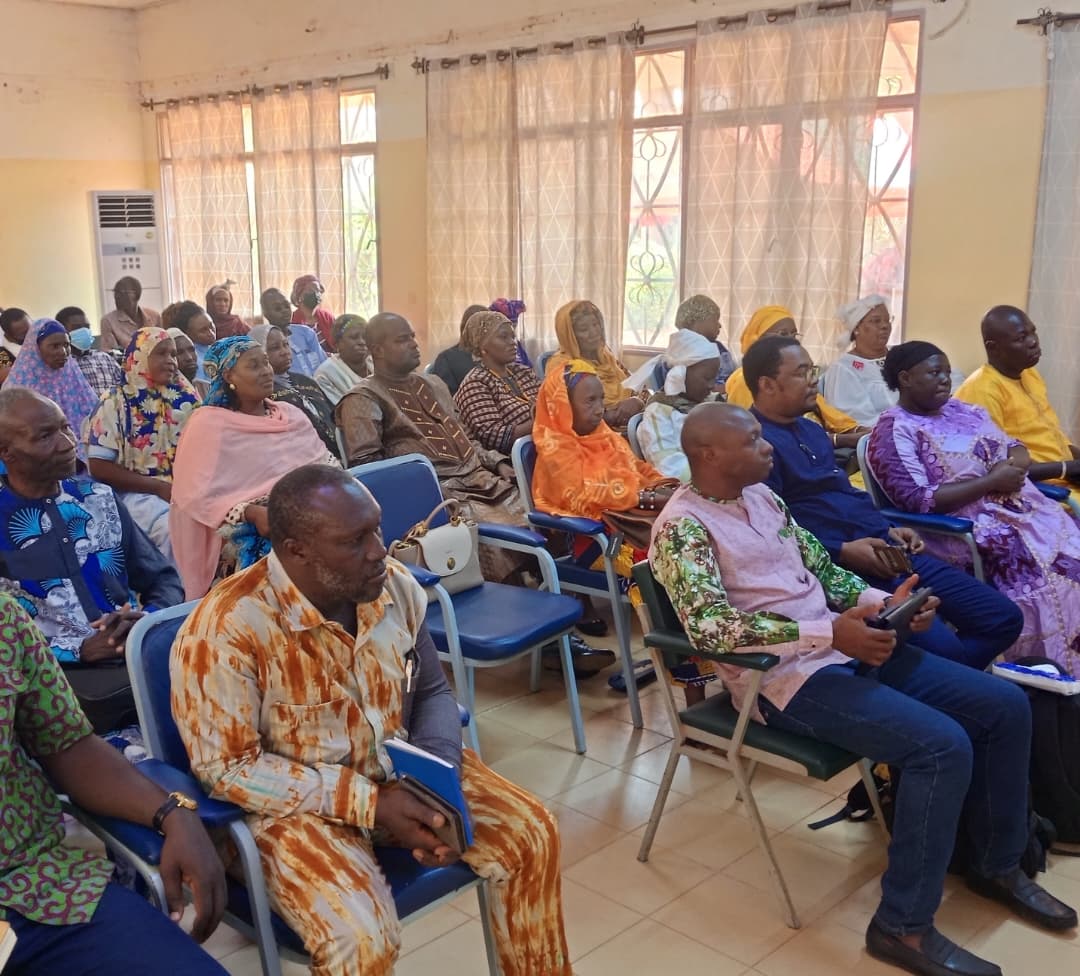
Despite progress, challenges persist. Adama Diallo called for the effective integration of mini-dairies into public collection and processing systems and for stronger operational partnerships with Faso Kosam and Faso Guulgo, two state-backed initiatives. Key demands include:
- Equitable access to financing, refrigeration equipment, energy, inputs, and technical services.
- Opening institutional markets—school canteens and public catering—to local dairy products that meet quality standards.
Adama Zim, representing technical and financial partners, framed the issue as a matter of economic justice: « Local dairy self-sufficiency is both a production goal and a project of social transformation. This is the core of our long-term commitment. »
From dialogue to action: what lies ahead
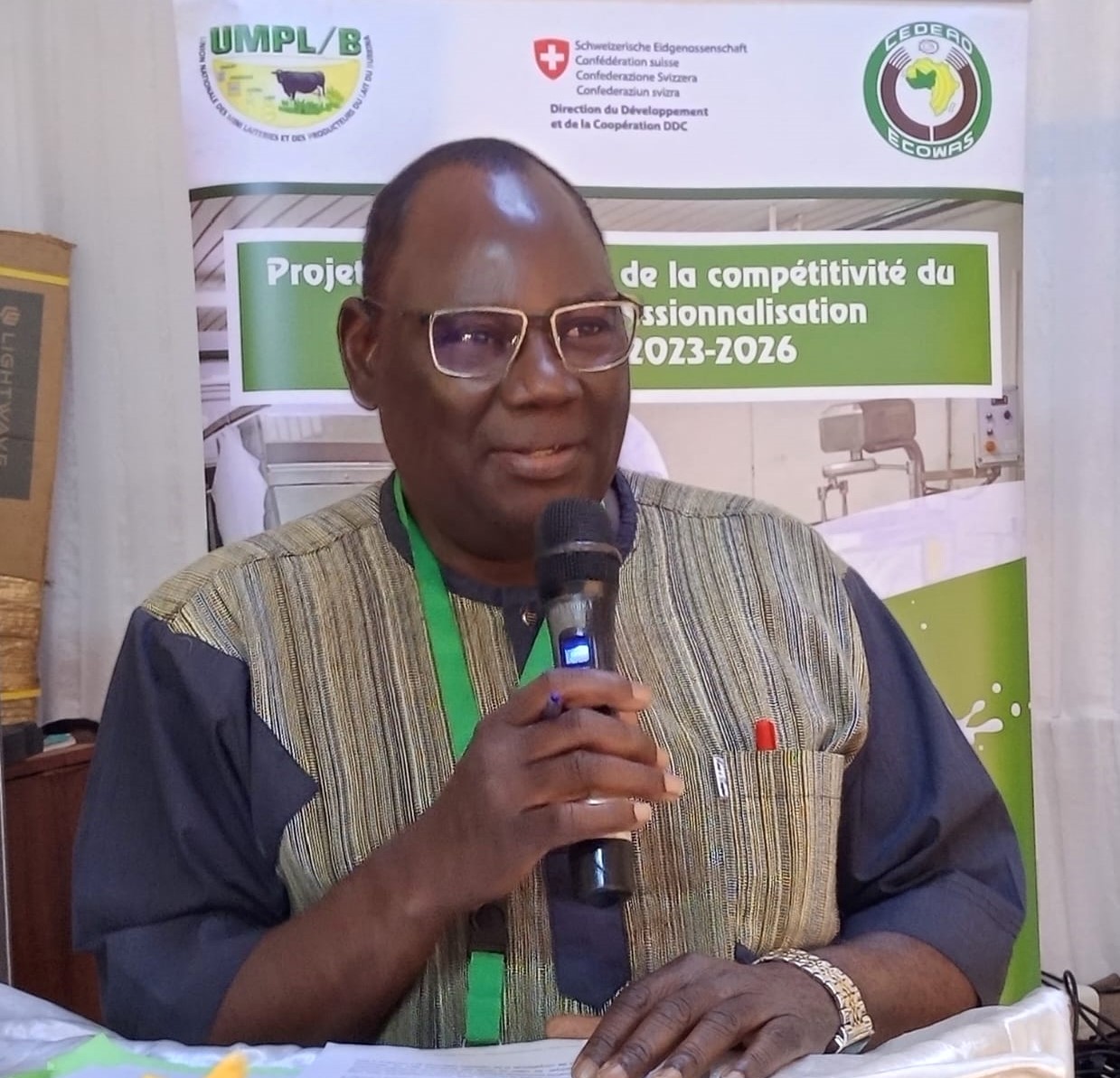
Yisso Ulrich Bakoné, Director General of Animal Production, set clear expectations: « Today’s discussions must yield concrete outcomes. We need a roadmap that identifies priority zones, maps synergies with public programs, and assigns clear roles, timelines, and monitoring mechanisms. » He reassured attendees of his department’s commitment to addressing UMPLB’s concerns and wished the event full success.
The 2026 Local Milk 72 Hours event continues, with stakeholders expecting actionable outcomes that will shape the future of Burkina Faso’s dairy ecosystem.