
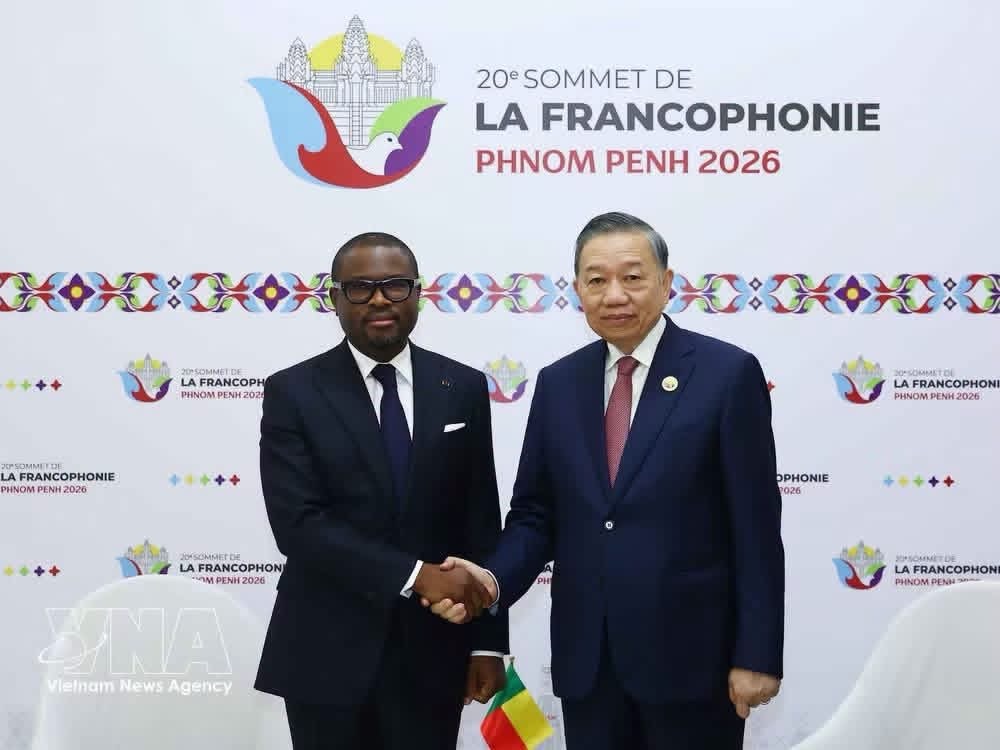
When Benin’s finance minister, Romuald Wadagni, sat down with his Vietnamese counterpart, Tô Lâm, in Phnom Penh last November, the meeting carried more than ceremonial weight. On the table were rice, cashews, cotton, aquaculture, and port infrastructure sectors that could either lock Benin into raw material supply chains or propel its industrial ambitions forward. The stakes could not be higher for a nation seeking to escape the cycle of low-value exports and build a self-sustaining economy.
Beyond handshakes: the hidden cost of raw material exports
The cashew sector epitomizes the dilemma. Vietnam, already a global leader in cashew processing, dominates the downstream segment of the value chain. Benin, a top cashew producer, supplies the raw nuts but much of the processing, job creation, and profit margins occur abroad. The result? A one-sided economic relationship where Benin reaps only a fraction of the sector’s true potential.
Cashew isn’t unique. Rice, cotton, and fisheries face similar risks: without local transformation, Benin risks remaining a feeder economy, exporting commodities at undervalued prices while importing finished goods at a premium. The question looms large: is the goal to sell more raw materials, or to redefine Benin’s role in the global marketplace?
The 2024 agreement that still waits to deliver
The framework for deeper cooperation already exists. A bilateral agricultural accord signed two years ago promised shared growth but implementation has lagged. Diplomatic handshakes alone do not translate into factories, jobs, or technology transfers. The real test now is action: why have prior commitments stalled, and what concrete steps will accelerate progress?
For Benin to break free from the raw material trap, its partnership with Vietnam must evolve from a buyer-seller dynamic into a joint venture model. This means attracting investors who are willing to set up processing plants, train local workers, and integrate Benin into higher-value segments of the supply chain.
Ports, productivity, and the missing link in Benin’s industrial chain
Infrastructure amplifies or undermines every economic ambition. Without modern ports, efficient storage, and streamlined trade corridors, even the most ambitious agreements risk withering. Benin’s push to expand exports depends on logistics that can handle volume while reducing costs. Yet infrastructure alone cannot close the gap. The deeper challenge is ensuring that these improvements serve domestic transformation, not just foreign buyers.
Consider rice: increased production is only valuable if paired with milling, packaging, and export-ready supply chains. Cotton’s journey from field to fabric must incorporate local textile industries. Aquaculture’s growth should link to processing plants and cold-chain systems. Each sector demands a strategy that goes beyond quantity and targets quality, value addition, and ownership.
From supplier to producer: rewriting the rules of engagement
Wadagni’s meeting with Lâm signals a critical inflection point. Benin’s negotiating posture must shift from passive supplier to assertive partner. This requires leveraging Vietnam’s industrial expertise not as a source of one-off purchases, but as a catalyst for long-term investment in Benin’s soil.
The alternative failing to act would cement Benin’s role as a raw material depot for global industries, exporting jobs and profits while importing finished goods. The true measure of success in this relationship will not be the number of signed memorandums, but the number of factories built, the volume of local processing, and the share of wealth retained within Benin’s borders.
Can Benin afford to let this opportunity slip? The answer hinges on one decisive factor: whether its leaders treat the Vietnam partnership as a bridge to industrialization or merely a shortcut to selling more unprocessed goods.
By Henri Nkeng — Journalist