
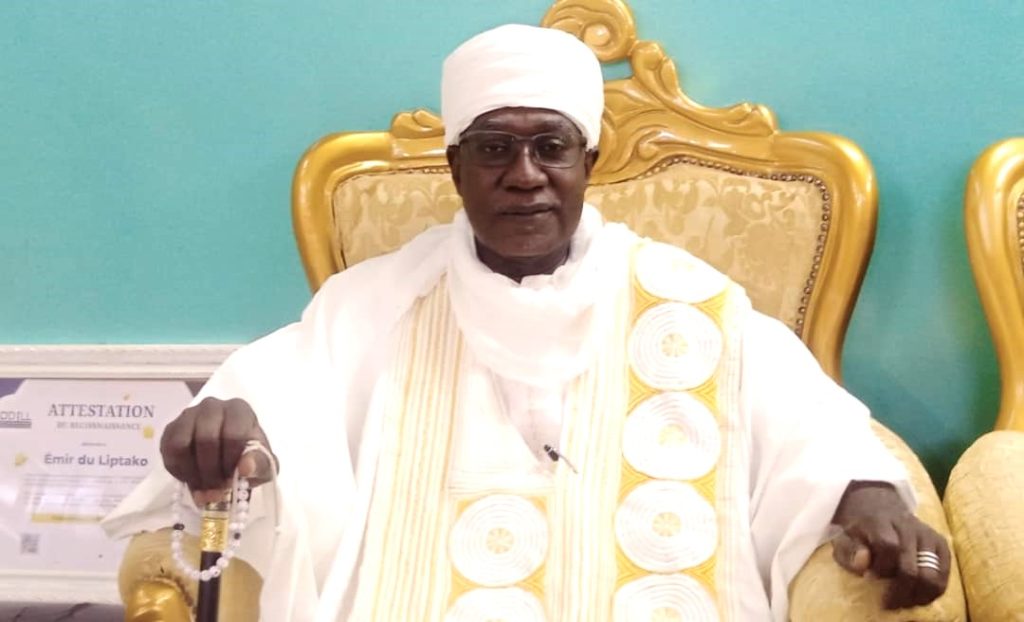
Amid escalating security crises and deepening communal tensions in the Sahel, Burkina Faso’s traditional leaders are stepping up to strengthen peace initiatives, mediate disputes, and foster social cohesion. In a recent briefing, the Emir of Liptako outlined the critical role of customary authorities in addressing the region’s challenges and emphasized the importance of collaboration between Burkina Faso, Mali, and Niger to achieve lasting stability in the Liptako-Gourma region.
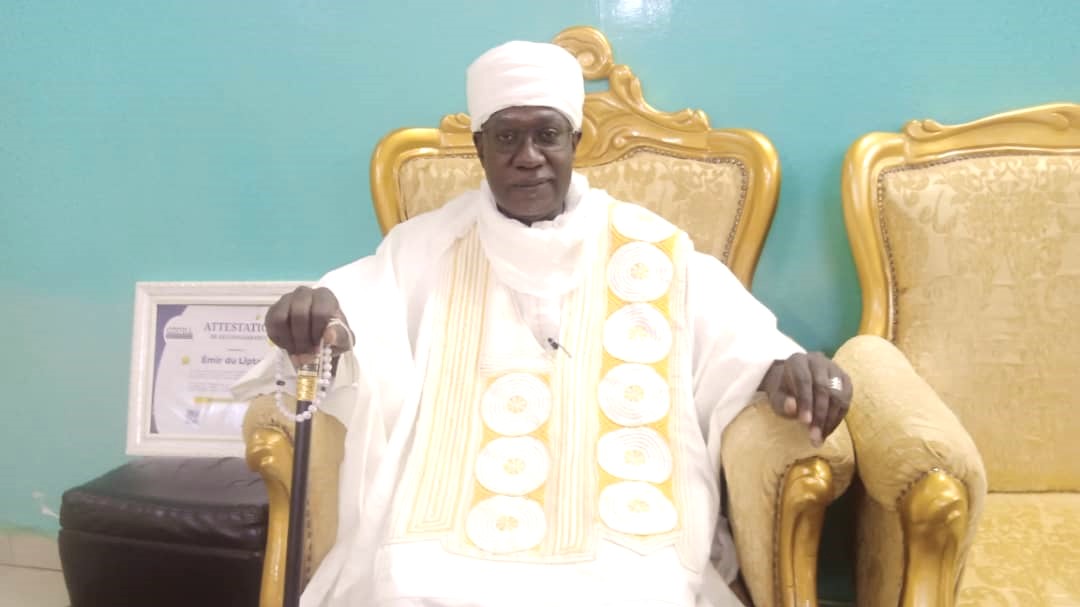
Securing the Sahel: challenges and human impact
While security operations by Burkina Faso’s defense forces and civil defense volunteers remain essential, the crisis has far-reaching consequences beyond violence alone. Since 2015, insecurity has disrupted daily life for millions, displacing families, crippling economies, and limiting access to education and healthcare. Pastoralists struggle to access grazing lands and water sources, farmers face threats to their livelihoods, and young people see dwindling opportunities.
The strain extends to community relations, where disputes over land, water, and resources fuel tensions. Traditional solidarity networks, though resilient, are increasingly stretched thin, particularly among youth who feel disconnected from older generations. The crisis is not confined by national borders, demanding coordinated action among Burkina Faso, Mali, and Niger.
How traditional leadership mediates peace
Traditional chiefs occupy a unique position in local society. Their deep understanding of community dynamics—families, alliances, historical grievances—enables them to identify and address tensions before they escalate. Their role extends across multiple fronts:
- Conflict prevention: Chiefs listen actively to communities, mediate disputes over land use, water access, and migration, and promote dialogue between generations to bridge divides.
- Community reconciliation: Following incidents of violence, chiefs work to prevent collective blame by facilitating dialogue and fostering reconciliation, while acknowledging individual accountability.
- Cross-border diplomacy: In the Liptako-Gourma region, traditional authorities maintain links between communities across Burkina Faso, Mali, and Niger, easing tensions in pastoral migration, trade, and resource-sharing.
These efforts require neutrality, respect for individual rights, and close collaboration with state authorities. Chiefs act as complementary partners to security forces and judicial systems, not replacements.
New law elevates chiefs’ role in national governance
The January 2026 adoption of Burkina Faso’s new customary leadership law marks a historic milestone. Official recognition of traditional authorities provides a structured legal framework, defines their responsibilities, and safeguards their independence. The law includes 43 articles covering leadership designation, protection of customary practices, resolution of succession disputes, and the role of chiefs in peacebuilding.
Crucially, the law stipulates that chiefs must remain neutral in disputes, avoid partisan affiliations, and uphold the dignity of their office. By formalizing their place in the national legal system, the law reinforces their capacity to contribute to social cohesion, environmental protection, and conflict resolution while preserving their unique role as trusted community figures.
Pathways to durable stability in the Liptako-Gourma
Restoring peace in the Liptako-Gourma region requires more than military presence. The Emir of Liptako underscores five key priorities:
- Reinforce prevention and reconciliation: Invest in early mediation, dialogue platforms, and conflict resolution mechanisms before disputes escalate into violence.
- Strengthen regional cooperation: Facilitate joint governance between Burkina Faso, Mali, and Niger in managing shared resources, transhumance routes, and migration flows.
- Boost economic opportunity: Create jobs, vocational training, and income-generating activities tailored to local needs, especially for youth.
- Restore public trust: Ensure the return of essential services—schools, healthcare, markets—while maintaining security and accessible justice systems.
- Empower communities: Involve local populations in designing and implementing peace and development strategies to ensure relevance and ownership.
The vision is clear: transforming the Liptako-Gourma from a zone of confrontation into one of cooperation, where peace, mobility, and shared prosperity define the future.