
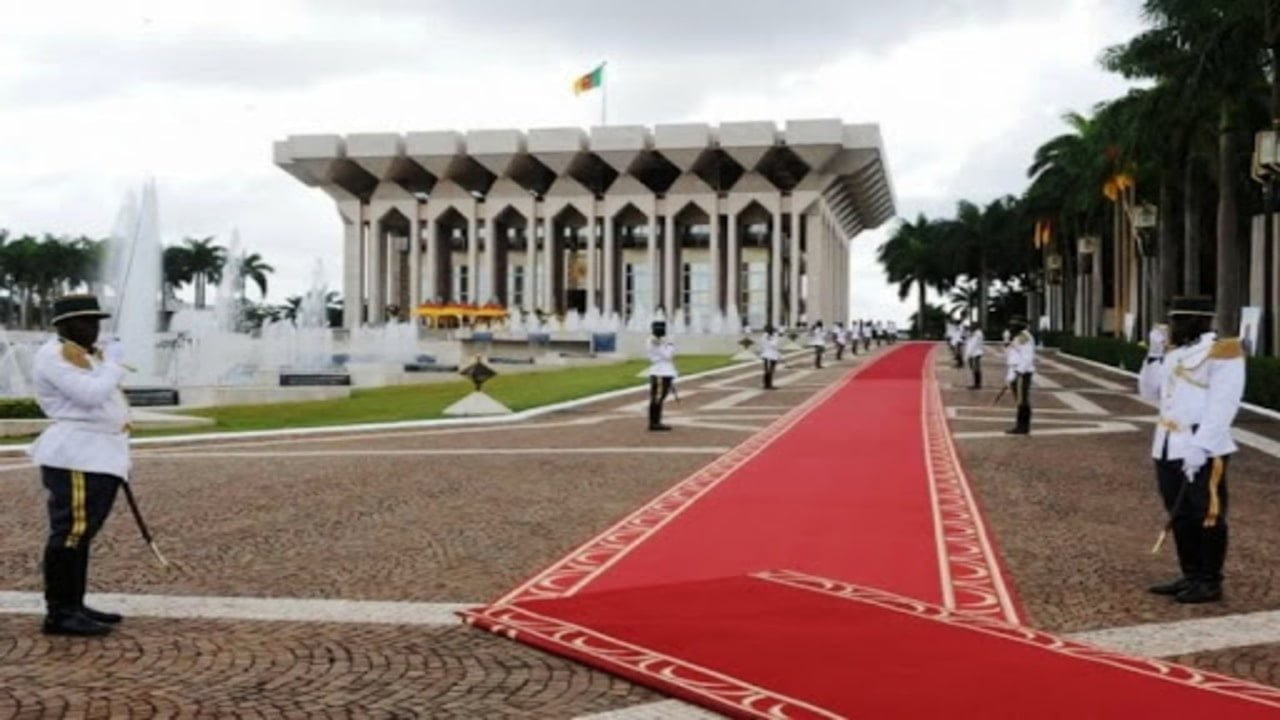
The President of Cameroon, Paul Biya, has been notably absent from the Palais de l’Unité for over 40 days, sparking concerns among citizens and political figures alike. Departing Yaoundé on June 7, 2026, for what was described as a private visit to Europe, the head of state has yet to provide public updates on his whereabouts or the nature of his trip.
Official statements from the Cabinet civil offered no further clarification beyond confirming the president’s departure and accompanying entourage. However, multiple sources indicate that Paul Biya is currently in Switzerland, though the purpose of his visit remains undisclosed. The lack of transparency has fueled speculation, with many questioning the implications of such an extended absence from the highest office in the land.
Political parties demand clarity on presidential absences
In response to the prolonged absence, the Union démocratique du Cameroun (UDC), led by Patricia Tomaino Ndam Njoya, has issued a strong statement criticizing the lack of communication surrounding the president’s whereabouts. The party emphasizes the need for institutional stability and transparency, particularly in light of the president’s eighth term and the recent presidential election.
The UDC is calling for urgent measures to address the situation, including the appointment of a vice-president—a provision already enshrined in the amended constitution of April 14, 2026. The party argues that the current vacuum at the top of the state risks undermining the continuity of public action and the effective exercise of presidential duties. Among their key demands are:
- Clear guidelines and deadlines for handling prolonged presidential absences;
- Regular updates to both the nation and Parliament;
- A formal and published delegation of presidential functions when necessary;
- A transparent and impartial procedure for assessing temporary or permanent incapacitation;
- Measures to prevent institutional deadlock at the highest level of government.
The UDC’s concerns are further amplified by recent events, including an unusual protest staged by a group calling itself the Brigade Anti Sardinard, who targeted the president’s residence in an attempt to hasten his return. Additionally, the absence of a vice-president—despite constitutional provisions—has left a critical void in the governance structure. The president had pledged to form a new government to implement his policies for the new term, yet no such announcement has been made over six months into his mandate.
Adding to the unease, unverified presidential decrees aired on CRTV nearly triggered an institutional crisis, highlighting the fragility of the current situation. With legislative and municipal elections on the horizon, political formations across the spectrum are already repositioning themselves, while the ruling party, the Rassemblement démocratique du peuple camerounais (RDPC), has scheduled a statutory meeting for July 21, 2026—again, in the absence of its leader.
Constitutional reforms and the need for institutional safeguards
The ongoing silence from Paul Biya has intensified debates about the adequacy of existing constitutional mechanisms to manage presidential absences. The 2026 constitutional revisions introduced the position of vice-president, yet it remains unfilled. This gap, combined with the lack of clarity on presidential duties during extended absences, has raised serious questions about the resilience of Cameroon’s democratic institutions.
As the political landscape evolves, the coming months will be critical in determining whether Cameroon can navigate this period of uncertainty without compromising its governance framework. The calls from the UDC and other stakeholders underscore a growing demand for accountability, transparency, and robust institutional safeguards to ensure the uninterrupted functioning of the state.