
The Minister of Water and Energy in Cameroun is shifting toward a strategy long recommended by economic experts: implementing public-private partnerships (PPP) for major infrastructure investments. This change comes as the state faces significant liquidity challenges that have stalled essential progress. Currently, the Ministry of Finance is struggling under the weight of non-productive debt repayments, leaving it unable to settle obligations with KPDC, which has effectively deprived the national grid of 300 MW of power.
The Minister revealed this strategic pivot during a high-level meeting with Filippo Scammacca del Murgo, the Italian Ambassador to Cameroun, who was accompanied by Riccardo Rossi Van Lamsweerde, representing the Italian public financial institution Cassa Depositi e Prestiti.
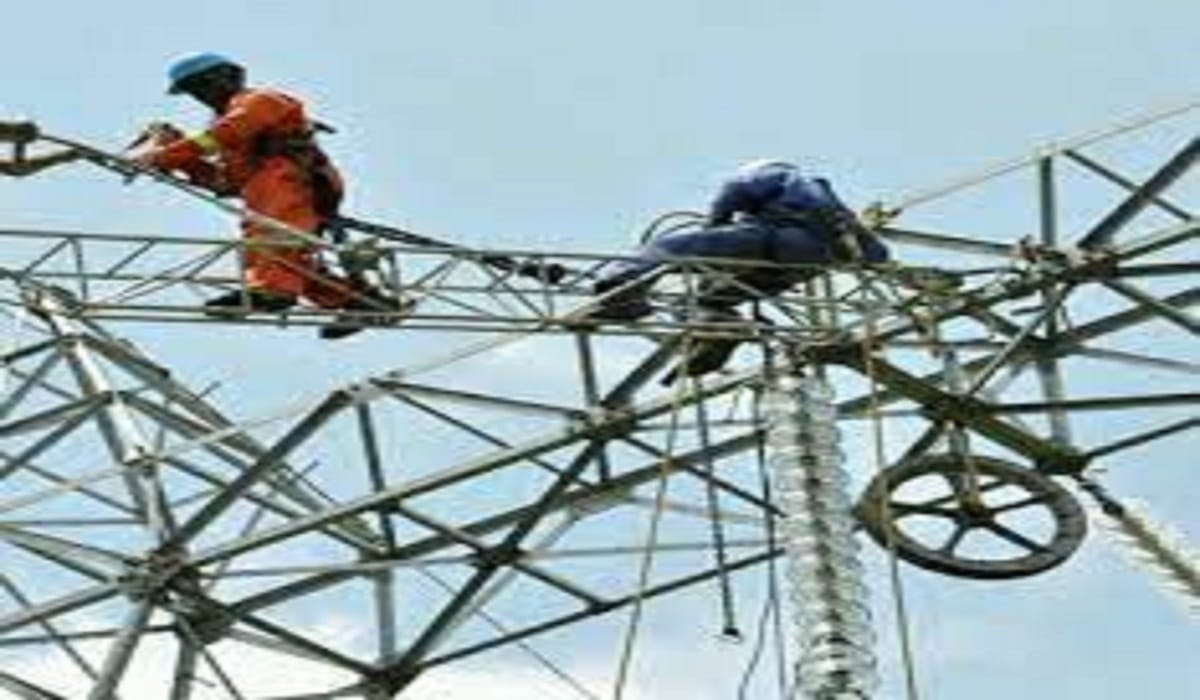
The urgency of this transition is underscored by the state of the national grid. Every day, Cameroun loses approximately 30 MW of electricity due to a crumbling transmission network—a volume of energy comparable to the entire output of the Lagdo dam. By adopting the PPP model, the government aims to attract private capital to revitalize these critical systems and stop the technical hemorrhaging of power.
Questions remain regarding the government’s previous allocation of resources. For years, the 30 MW loss has been a known issue, first flagged as far back as 2014. However, instead of addressing this systemic drain, authorities prioritized spending over 100 billion FCFA on the Mekin dam. While citizens are often burdened with debt for road projects handled by underperforming contractors, a robust PPP framework could have provided a more sustainable solution long ago.
Under a public-private partnership, private entities take the lead on everything from design and construction to long-term management. This model removes project oversight from the hands of traditional administrative departments, offering a potential remedy for the “white elephant” projects and incomplete initiatives that have historically plagued the country. While the energy sector begins to look toward this model, other departments, such as the Ministry of Transport, appear less inclined to change. Major projects like the Douala–Yaoundé and Yaoundé–Nsimalen highways continue to face delays under conventional management, whereas the PPP approach could have accelerated their completion and improved efficiency.