
After 18 months in captivity, a crucial question emerges
Two European women, held for more than a year and a half in Niger’s volatile Sahel region, have finally been freed. Their release raises a pressing question: Can Libya’s shadow mediation truly disrupt the kidnapping epidemic plaguing the Sahel? Eva Gretzmacher, an Austrian national, and Claudia Abbt, a Swiss citizen, were transferred to Benghazi, Libya, before being handed over to their respective governments. Yet the details of their liberation remain shrouded in secrecy, sparking debates over the true cost and effectiveness of cross-border negotiations.
Two separate kidnappings, one shared ordeal
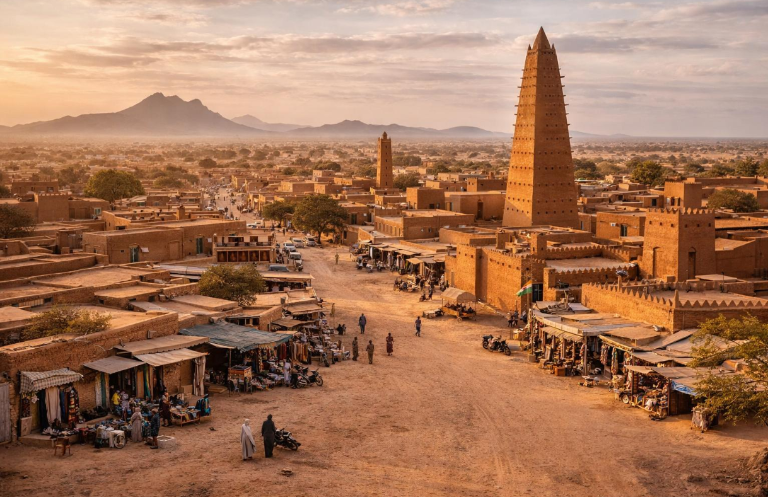
The ordeal began in January 2025 when Eva Gretzmacher was abducted in Agadez, a bustling crossroads city in northern Niger that has become a hotspot for militant activity. Known for its role in trans-Saharan trade, Agadez’s strategic importance now overshadows its vulnerabilities, as foreign nationals—including aid workers and professionals—face increasing risks of kidnapping. A few months later, in April 2025, Claudia Abbt suffered the same fate in the same city.
These incidents highlighted a disturbing trend: militants operating in the Sahel are expanding their reach into urban centers, exploiting weak security infrastructure and porous borders. While some reports suggest ties to the Islamic State in the Sahel, the exact identities of the captors remain unconfirmed. What is clear, however, is that the prolonged detention—spanning over 18 months—underscores the challenges of securing hostage releases in a region plagued by instability.
The Libyan puzzle: Who pulled the strings?
The transfer of the hostages to Benghazi, a stronghold of Libyan military leader Khalifa Haftar, has thrust Libya into the spotlight. Observers are now scrutinizing Haftar’s role, particularly that of his son, Saddam Haftar, whose connections within regional security networks have been widely discussed. While reports suggest unofficial mediation played a decisive role, the specifics of the negotiations remain undisclosed—and any potential concessions remain speculative.
Libya’s position as a transit hub for armed groups and illicit networks gives it outsized influence in regional security dynamics. For Haftar’s eastern Libyan administration, facilitating such a high-profile release could serve as a diplomatic bargaining chip, demonstrating an ability to engage with European governments. Yet without full transparency, the long-term implications of this intervention remain unclear.
Niger’s security cracks: Why kidnappings keep happening
The liberation of Gretzmacher and Abbt offers a moment of relief, but it does little to address the underlying crisis in Niger. The country faces relentless jihadist violence, particularly in border regions and the north, where Agadez serves as a critical but vulnerable anchor. The vast, lawless expanses of the Sahara create ideal conditions for militant groups to operate, evade capture, and carry out abductions with impunity.
International governments have taken note. Diplomatic advisories now warn travelers of the extreme risk of kidnapping and terrorism in Niger, with several Western nations issuing the highest-level travel warnings. These alerts reflect the grim reality: foreign nationals remain prime targets, and the region’s security apparatus struggles to protect them.
Unanswered questions and lingering risks
As the two women prepare to reunite with their families, critical questions persist. Who were their captors? What concessions, if any, were made to secure their release? And most importantly—does this case signal a shift in regional kidnapping tactics, or will it soon be forgotten? Without official clarity, the answers remain elusive, leaving observers to question whether this liberation was an exception or a sign of changing dynamics.
The broader lesson is stark. In a Sahel where borders are meaningless to armed groups, hostage situations often hinge on opaque, behind-the-scenes deals rather than robust security cooperation. For Gretzmacher and Abbt, the ordeal is over—but the cycle of kidnappings persists, exposing the fragility of security strategies in a region where the next abduction could happen at any moment.
The road ahead: Can the Sahel break the kidnapping cycle?
The challenge now is twofold. First, governments must investigate the circumstances of the kidnappings to prevent future cases. Second, regional actors—including Libya—must weigh the ethical and practical costs of relying on unofficial mediation. The liberation of two hostages is a victory, but without systemic change, it risks being a temporary fix in a deeply unstable landscape.