
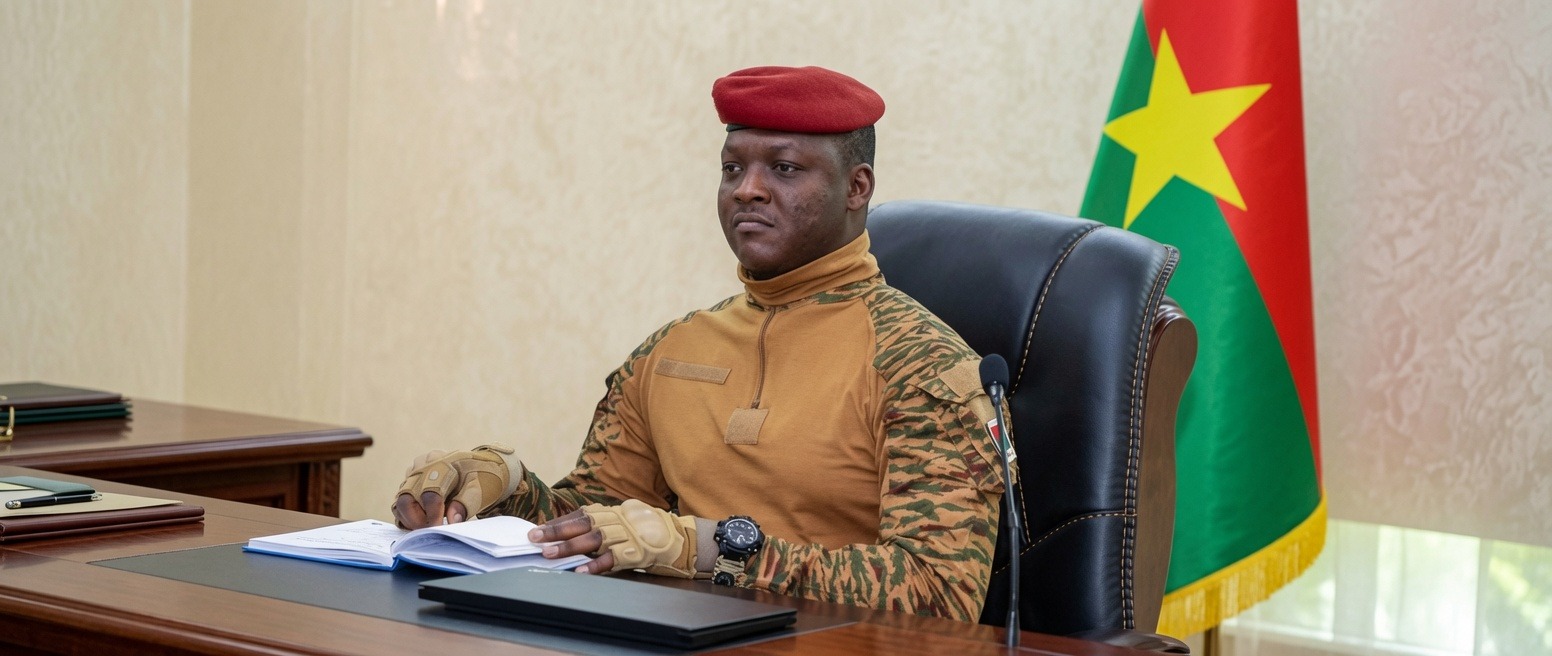
Why 63% of Burkina Faso’s public investment funds never reach citizens
As Burkina Faso’s government continues to unveil ambitious budgets and mobilize significant public resources, a harsh reality persists: only 37% of planned public investment projects ever reach completion. Investigations reveal a systemic failure where nearly two-thirds of infrastructure promises evaporate before breaking ground.
Tracking the missing billions: the painful truth behind Burkina Faso’s underperforming investments
The Burkina Faso’s public investment deficit is not merely a financial concern—it strikes at the heart of national development. Official evaluations show that while the state allocates substantial funds to roads, schools, and water systems, fewer than 40% of these projects ever see the light of day. The question is no longer whether money is being spent, but where it is disappearing.
Recent assessments highlight a disturbing trend: since 2021, despite improvements in administrative modernization and increased budget allocations, the country’s basic infrastructure remains stagnant. Funds are committed, yet the physical transformation of these resources into lasting infrastructure rarely crosses the 40% threshold.
The four black holes swallowing Burkina Faso’s public investment funds
Contrary to common belief, the loss of 63% of public investment funds is not solely due to cash shortages. Instead, it reflects a deeply flawed system where administrative inefficiencies, flawed planning, and weak oversight combine to derail progress.
- Poorly designed feasibility studies: Many projects are approved without thorough groundwork. Inaccurate cost assessments, poorly chosen sites, and misaligned priorities lead to technical failures early in the process. As budgets spiral out of control and unforeseen complications arise, construction halts, and initial disbursements vanish without delivering tangible results.
- The trap of unpaid invoices and bureaucratic delays: The public procurement process operates like a marathon with no finish line. Excessive red tape and delayed payments to local construction firms create severe cash flow issues, forcing many small and medium enterprises to abandon ongoing projects before completion.
- The curse of abandoned projects and neglected maintenance: Even when an infrastructure project somehow manages to be completed, it often falls into disrepair within months. Without dedicated maintenance budgets, newly paved roads crumble under the first rains, and electrical systems fail prematurely. Much of the initial public capital evaporates long before its time.
- The gap between policy and practice: While Burkina Faso’s institutional framework has modernized to meet donor expectations, the actual enforcement of transparency, accountability, and performance tracking remains largely symbolic. The rules exist on paper, but implementation on the ground is inconsistent at best.
Public-Private Partnerships: a risky shortcut to avoid deeper reforms
Facing this persistent challenge, policymakers are increasingly looking to public-private partnerships (PPPs) to unlock private capital and accelerate infrastructure delivery. The idea is appealing in theory, but without addressing the systemic weaknesses in project execution and oversight, PPPs could become a costly gamble.
Entrusting infrastructure development to the private sector without first strengthening state capacity in evaluation and monitoring risks inflating future budgets with public guarantees, while offering no guarantee of higher project completion rates.
From budget votes to delivered infrastructure: a broken chain that must be fixed
A 37% physical execution rate means that pumping more money into the current system is like pouring water into a leaky bucket. A nation’s investment policy cannot be measured by the volume of funds allocated, nor by the number of announcements made. For the people of Burkina Faso, the only meaningful metric is the delivery of functional, durable infrastructure that tangibly improves their lives.
Before mobilizing additional resources, the government must urgently repair the broken chain of public execution. Only then can every franc invested translate into real, lasting development on the ground.
The way forward: three priorities for Burkina Faso’s investment strategy
To reverse this trend, Burkina Faso must focus on three core priorities:
- Strengthen feasibility studies: Require rigorous, independent assessments of every proposed project before budget approvals are finalized.
- Streamline procurement and payments: Simplify administrative procedures and ensure timely payments to contractors to prevent project abandonment.
- Invest in maintenance and sustainability: Allocate dedicated funds for the upkeep of completed infrastructure to ensure long-term functionality.