
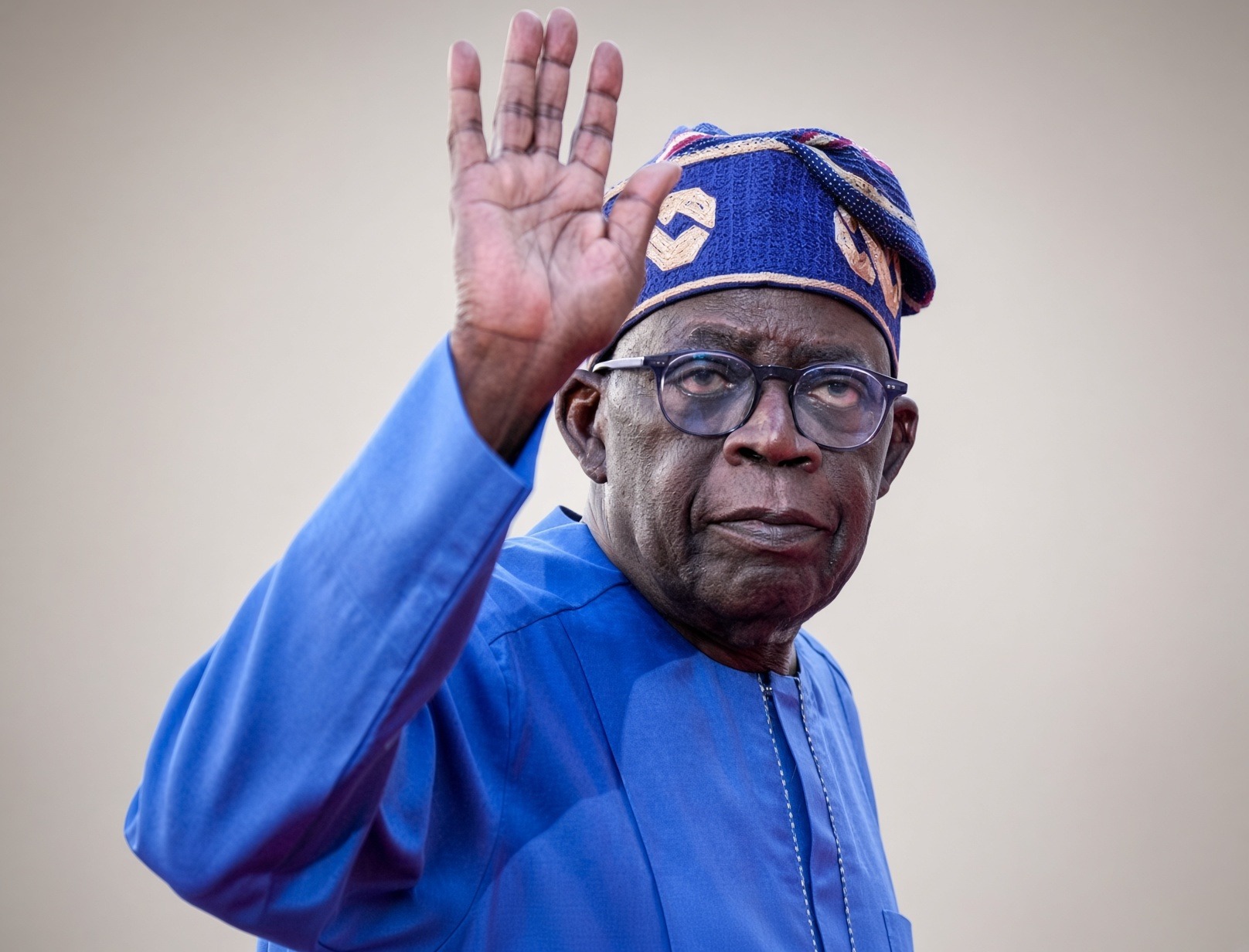
With Nigeria’s next presidential election approaching, the safety of the electoral process has become the central issue on everyone’s mind. As public anxiety and international scrutiny grow over the threat of political violence, vote rigging and insecurity across several regions, the Nigeria Police Force (NPF) high command, under President Bola Ahmed Tinubu, is ramping up reassuring statements.
An unqualified promise of neutrality
Inspector General of Police Olatunji Disu and his regional commands have publicly restated their commitment to a “free, fair and transparent” vote. To counter long-standing accusations of bias or leniency toward the ruling party, the police leadership is pledging strict neutrality from its officers throughout the entire electoral process, from campaigning to vote counting. An internal audit mechanism supervised by police spokesman DCP Anthony Placid, along with tough disciplinary measures, has been promised for any officer who fails in his duty of impartiality.
A heavier boots-on-the-ground deployment
To calm the voting process in a vast country crossed by various pockets of instability — banditry in the North-West, jihadist insurgency in the North-East, and secessionist or criminal tensions in the South-East — the police are promising:
- A massive presence around polling stations: an exceptional mobilisation of personnel to prevent ballot stuffing, theft of electoral material and voter intimidation.
- Stepped-up mobile patrols: securing major highways and strategic collation centres.
- Inter-agency synergy: closer coordination with the armed forces led by Chief of Army Staff General Waidi Shaibu, the Nigeria Security and Civil Defence Corps (NSCDC) and intelligence services orchestrated by National Security Adviser Nuhu Ribadu to lock down high-risk areas.
Technology and zero tolerance for vote-buying
To adapt to new challenges, the NPF is highlighting a modernisation of its methods. Under the impetus of the Minister of Police Affairs, Ibrahim Gaidam, the authorities are promising to use digital surveillance tools and strengthen operational intelligence to dismantle vote-buying networks — a recurring practice in recent elections. Specialised anti-corruption units will be deployed to support investigators.
Between public hopes and lingering scepticism
While these solemn commitments aim to restore citizens’ trust in institutions, civil society and opposition leaders remain watchful. The real effectiveness of the plan will depend on the ability on the ground to move from words to actions, in a particularly volatile security context. Observers recall that the credibility of the upcoming election will rest largely on the police’s capacity to protect every citizen who comes out to fulfil their civic duty.