

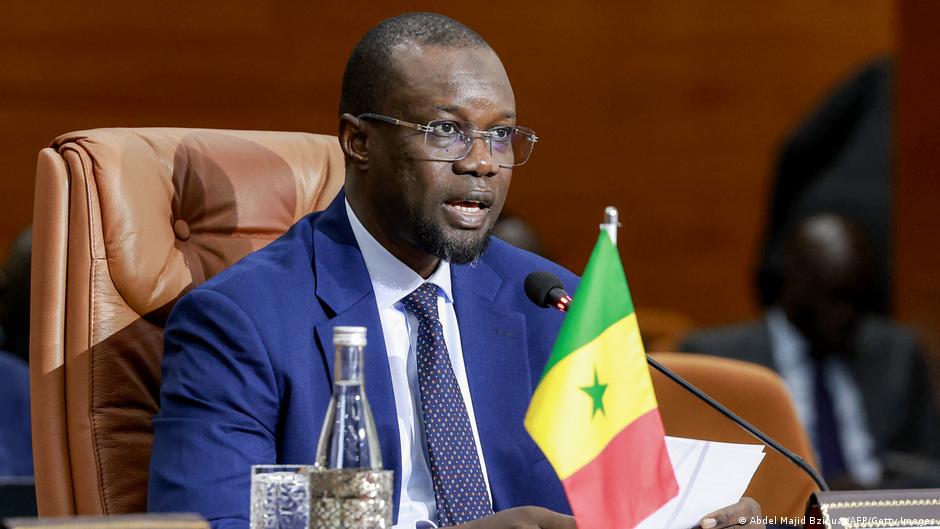
Voicing criticism against Ousmane Sonko in Sénégal has become a high-stakes endeavor. The growing influence of his loyal supporters on social media has created an atmosphere of fear, discouraging many from openly expressing dissent. Critics and opponents of Sonko frequently face aggressive online smear campaigns orchestrated by members of his party, Pastef, which now holds power.
This climate of intimidation has led to widespread self-censorship among journalists, civil society leaders, and even political figures. The fear of digital or physical retaliation has stifled open debate, undermining the country’s democratic discourse.
mounting pressure on media and judicial independence
Since assuming office as Prime Minister in early April 2024, Sonko has repeatedly issued strong warnings to media outlets, signaling a shift in how press freedom is perceived in the country. His statements suggest a tightening grip on journalistic practices, raising concerns about the future of independent reporting.
During a November 2025 meeting, Sonko also criticized certain judges, accusing them of obstructing financial investigations and perpetuating what he describes as a corrupt system. These remarks sparked outrage among members of the judiciary, who view them as direct attacks on their integrity and independence.
declining women’s rights under scrutiny
Women’s rights advocates have sounded the alarm over a troubling regression in gender equality policies. Despite the existence of a 2010 gender parity law, its enforcement remains inconsistent. Ossama Monique Sagna, a prominent feminist activist, points out a stark contrast between past and present administrations.
“The current government has fewer female ministers than the final cabinet of former President Macky Sall’s era. This is a clear setback in political representation for women in decision-making roles.
While the previous government included seven women in ministerial positions, the current administration, before recent reshuffles, had only four—representing just 13% of the cabinet. This decline has sparked public criticism and disappointment.
Sagna adds that key feminist demands have yet to see meaningful progress. “Structural changes remain stagnant. The Family Code reform, which still contains discriminatory provisions, and the delayed implementation of the Maputo Protocol—covering reproductive rights and protection from gender-based violence—highlight the lack of political will. Cases of feminicide and gender-based violence continue to rise, with 18 reported in 2025 alone, yet authorities often respond with insufficient action.