
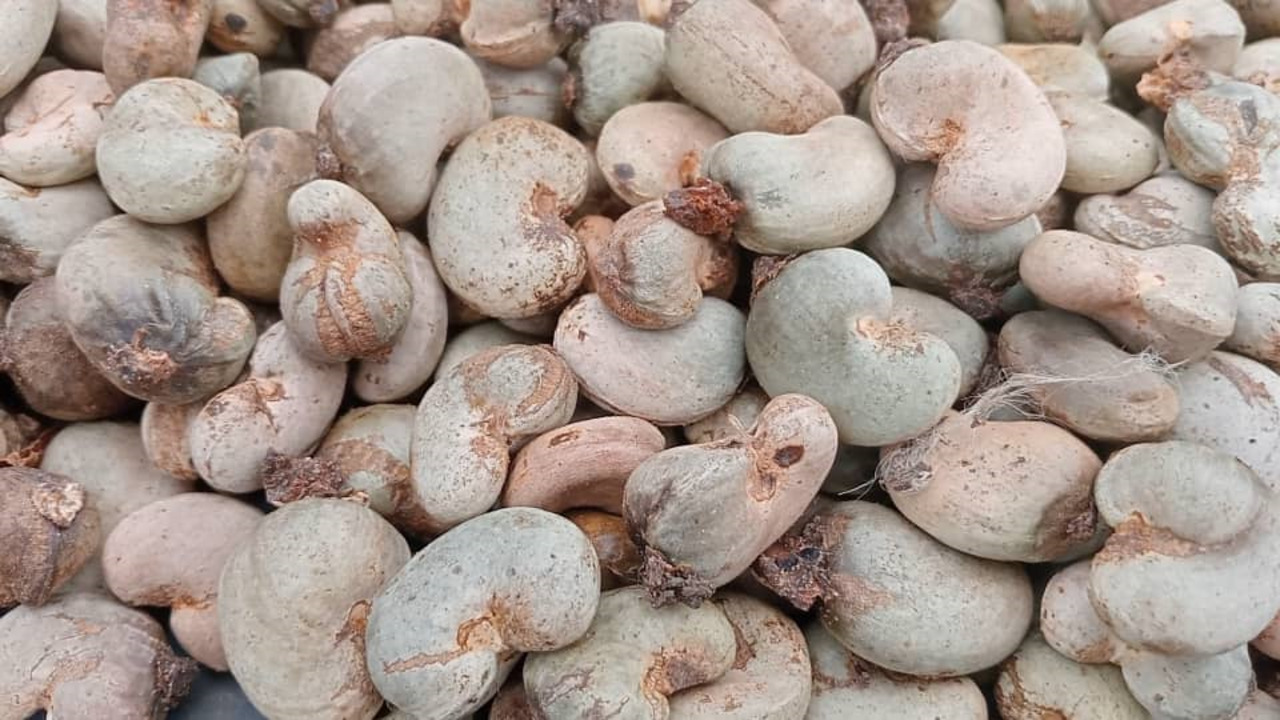
The cashew harvest season in Côte d’Ivoire is in full swing, yet the Bounkani region in the northeast faces severe challenges. The Cotton and Cashew Council projects over 1.3 million tons this year, a figure slightly below last season’s output. However, the decline could reach 200,000 tons, driven by climate irregularities and suboptimal farming methods.
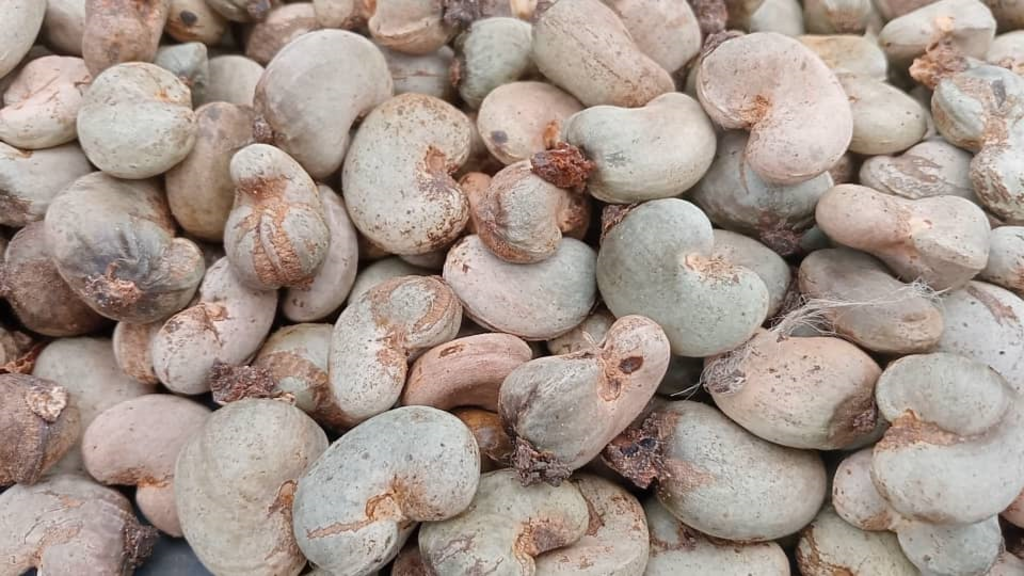
Climate disruptions hit cashew production
From Bouna, a key town in Bounkani, farmer Kouamé Ouattara shares his struggles. His 3-hectare cashew orchard, which once yielded up to 500 kg per hectare, now produces barely two sacks. «Three years ago, I could harvest 500 kg per hectare. Now, I struggle to gather two sacks across all three hectares,» he reveals. The root cause? Rainfall patterns have shifted dramatically. «Normally, heavy rains from November to December help cashew trees bloom. This year, however, the rain stopped in October. October, November, December, January, February—there was no rain at all. Once flowering fails, you have to wait another year. That’s why this harvest season has failed,» he explains.
The consequences extend beyond nut production. Beekeepers maintaining hives in cashew plantations also face near-zero honey yields. Koffi Ouattara, president of the Koflangué beekeepers’ association, notes a sharp decline: «Last year, we harvested 100 liters of honey. This season, we barely managed 30 liters. It’s a significant loss for our community.»
Farming practices exacerbate the crisis
Dr. Sibirina Soro, agronomy researcher at Daloa University and head of the national cashew research project, highlights another critical issue: poor planting density. «Many orchards resemble dense forests because initial planting densities were not respected. Today, we’re advising farmers to rehabilitate these orchards to achieve the recommended density of 100 trees per hectare,» he states. Soro also organizes annual training sessions to combat pest infestations, emphasizing the need for better farmer support since Ivorian cashew producers avoid chemical inputs, leaving them more vulnerable to crop failures.