
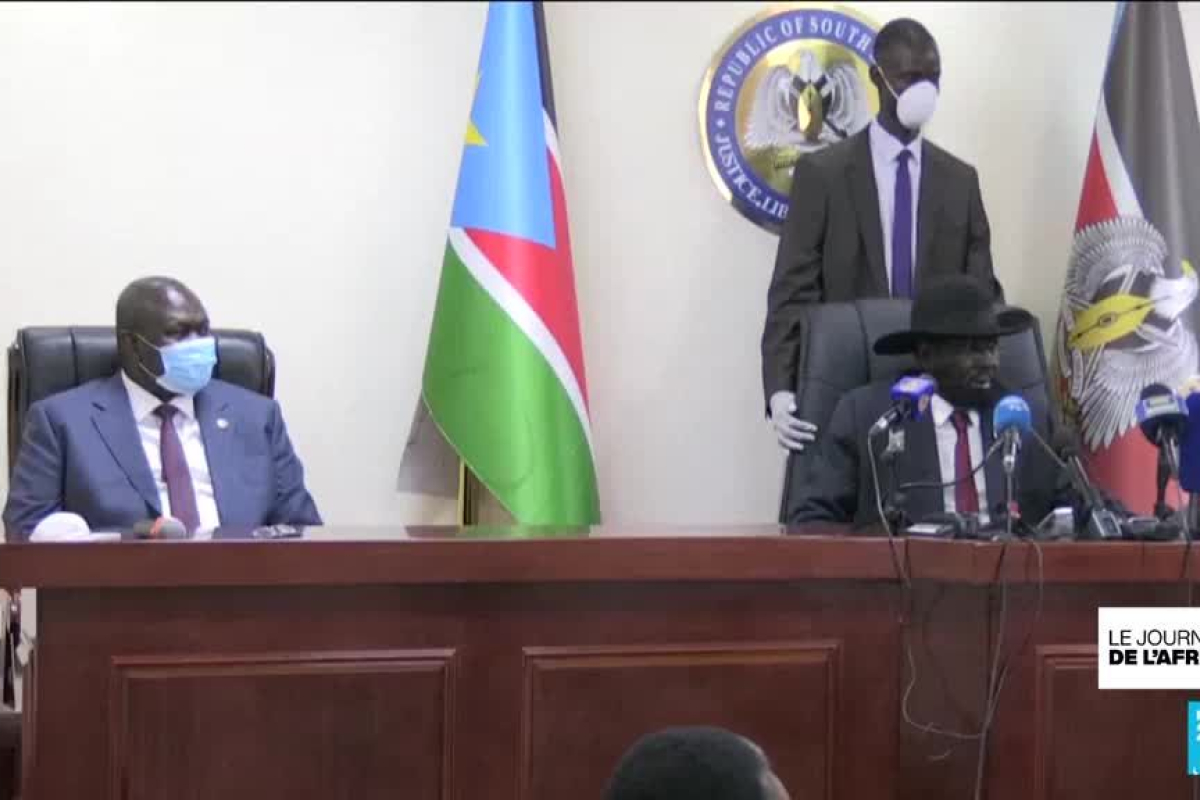
The political landscape in Senegal has taken a dramatic turn as President Bassirou Diomaye Faye announced the dismissal of Prime Minister Ousmane Sonko. This decisive move has intensified concerns about the country’s already fragile stability, raising questions about the future of governance and institutional cohesion in Dakar.
Political fracture sparks uncertainty
With the break between the head of state and his former prime minister now official, Senegal finds itself navigating uncharted waters. The sudden separation has left citizens and observers alike grappling with the implications, particularly in a climate where economic challenges already loom large. The capital has become a focal point of divided reactions, with some welcoming the move as a necessary correction and others warning of deeper divisions ahead.
What comes next for Senegal?
As the dust settles on this political upheaval, the path forward remains unclear. The removal of a key figure like Ousmane Sonko—known for his strong influence—adds a layer of unpredictability to Senegal‘s current trajectory. Will the shift stabilize the government’s operations, or will it deepen existing rifts within the political sphere? The coming weeks will be critical in shaping the nation’s response to this pivotal moment.