
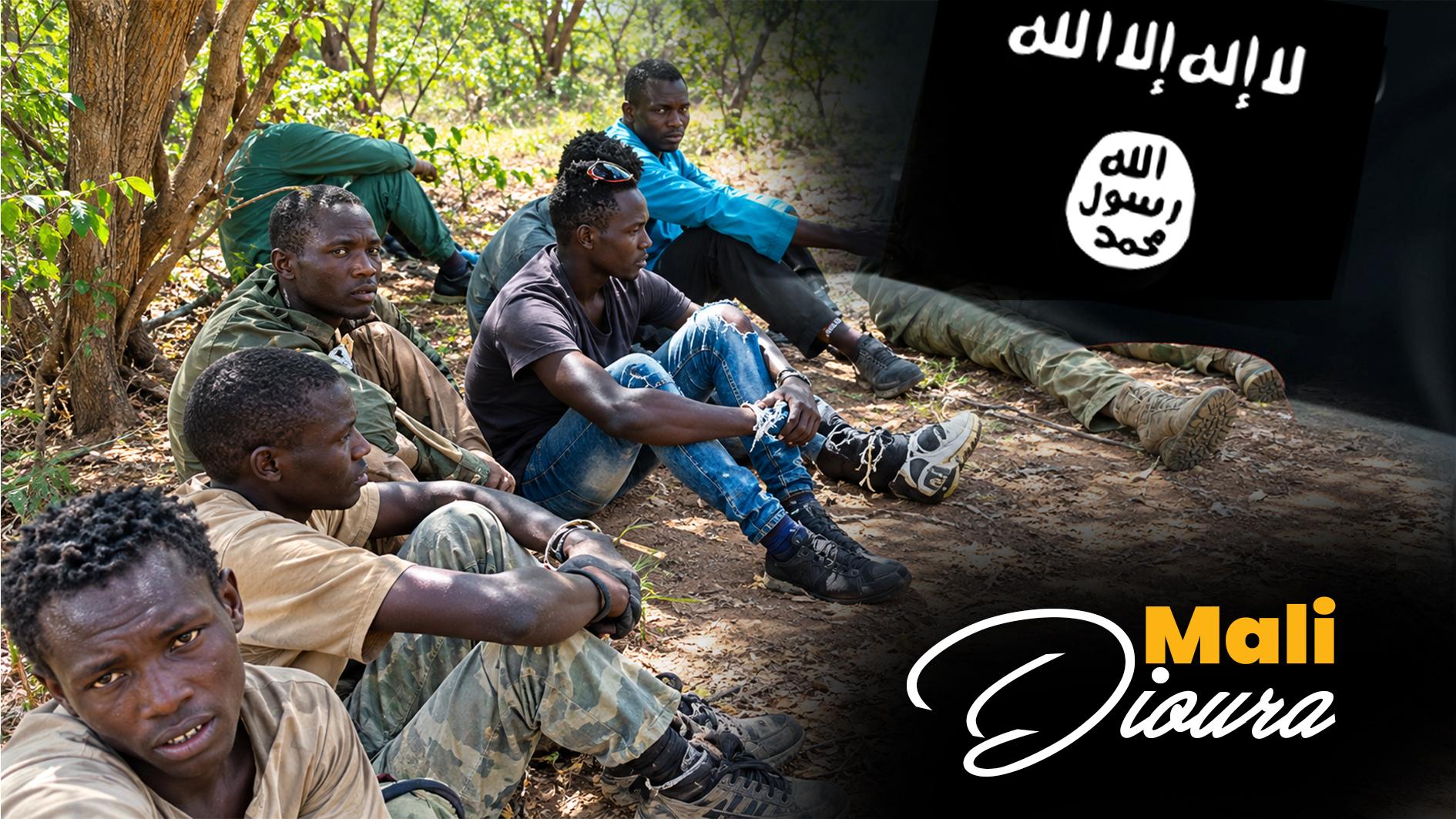
As Mali’s military leadership downplayed the severity of the Dioura confrontation with a dismissive “nothing happened there,” the Group for the Support of Islam and Muslims (JNIM) delivered a decisive counterstroke. Through a meticulously detailed communiqué accompanied by irrefutable visual evidence, the Al-Qaeda-affiliated faction dismantled Bamako’s carefully constructed official account. The stark contrast between the junta’s rhetoric and the ground realities has shifted the momentum in a conflict where perception is fast becoming as vital as firepower.
From denial to devastation: the turning point at Dioura
When the Malian Armed Forces Chief of Staff attempted to dismiss the Dioura incident as inconsequential, the move was likely intended to shield the junta’s credibility. Yet the JNIM’s rapid and forceful response has transformed a tactical setback into a strategic turning point—one that now forces the Malian government to confront the gap between its public messaging and battlefield outcomes.
The jihadist group’s detailed rebuttal not only shattered the official narrative but also underscored how rapidly credibility erodes when facts are suppressed. For a government that has staked its legitimacy on a narrative of restored sovereignty and military ascendancy, the consequences are dire. Trust among Malians is waning, while international observers are increasingly skeptical of a narrative that no longer aligns with observable realities.
Numbers that tell a story of collapse
The JNIM’s claims paint a picture of unprecedented military carnage in Dioura. According to the group, the assault resulted in the deaths of 150 Malian soldiers, including senior officers—a colonel and a captain—alongside the capture of 93 prisoners. These figures, if verified, represent a devastating blow to both operational capacity and morale.
The material losses are equally alarming:
- Destroyed assets: 15 military vehicles and over 100 patrol motorcycles reduced to scrap.
- Seized resources: 6 tactical vehicles and 10 operational motorcycles repurposed for jihadist mobility.
- Heavy weaponry recovered: 6x 14.5mm machine guns, 17 DShK heavy machine guns, 32 PK machine guns, 10 RPG rocket launchers, 3 mortars, and a 73mm SPG recoilless cannon.
- Small arms and ammunition: 233 AK-47 assault rifles alongside an extensive arsenal of ammunition in multiple calibers.
To eliminate any doubt, the JNIM backed its assertions with photographic and video evidence, leaving the junta with no credible grounds to dismiss the claims.
The information war: where Bamako’s strategy backfires
Dioura has exposed a critical vulnerability in Mali’s crisis management: the overreliance on denial and silence as a communication strategy. When the military chooses to obscure defeats rather than acknowledge them, it inadvertently cedes ground to enemy propaganda. The JNIM’s ability to broadcast verified footage of captured weapons and soldiers has eroded public confidence in the armed forces, particularly among those serving at the frontlines.
This battle for narrative control is no longer secondary—it is central to the conflict’s trajectory. The JNIM’s capacity to execute large-scale operations and systematically strip enemy arsenals demonstrates a tactical sophistication that outpaces Bamako’s defensive adaptations. Each unchallenged jihadist victory further fractures the junta’s legitimacy, both domestically and abroad.
From triumphant rhetoric to battlefield accountability
The Dioura episode underscores the widening chasm between Mali’s stated ambitions and the harsh realities on the ground. Despite the junta’s insistence on a new era of self-reliance in security, the persistent threat posed by armed groups reveals a harsh truth: the crisis is far from contained. The JNIM’s tactical prowess and sustained operational reach continue to destabilize fortified positions, proving that no amount of political posturing can substitute for battlefield results.
For the Malian leadership, the lesson is clear. The path to recovery is no longer just about reclaiming territory—it is about reclaiming the truth. The junta must move beyond denial and silence, embracing transparency as the foundation of any credible military and national recovery strategy.