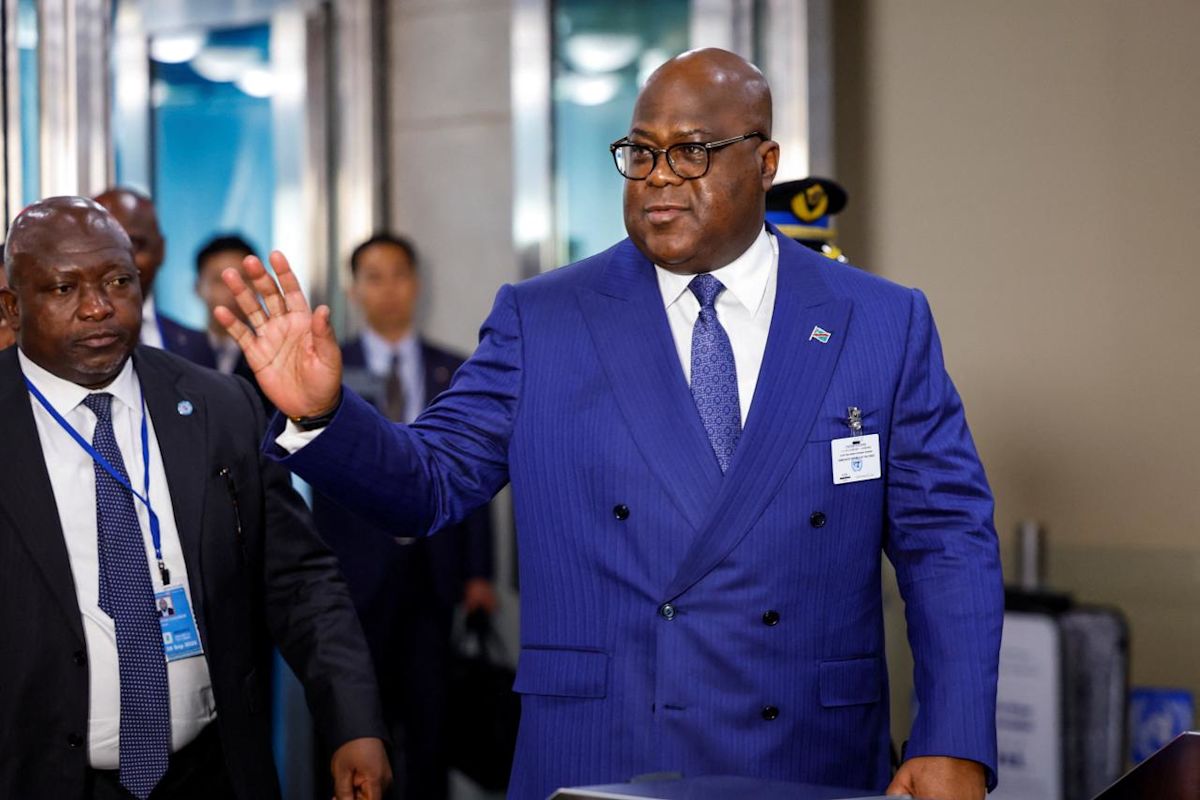
DRC political tension: Tshisekedi backs down amid opposition pressure
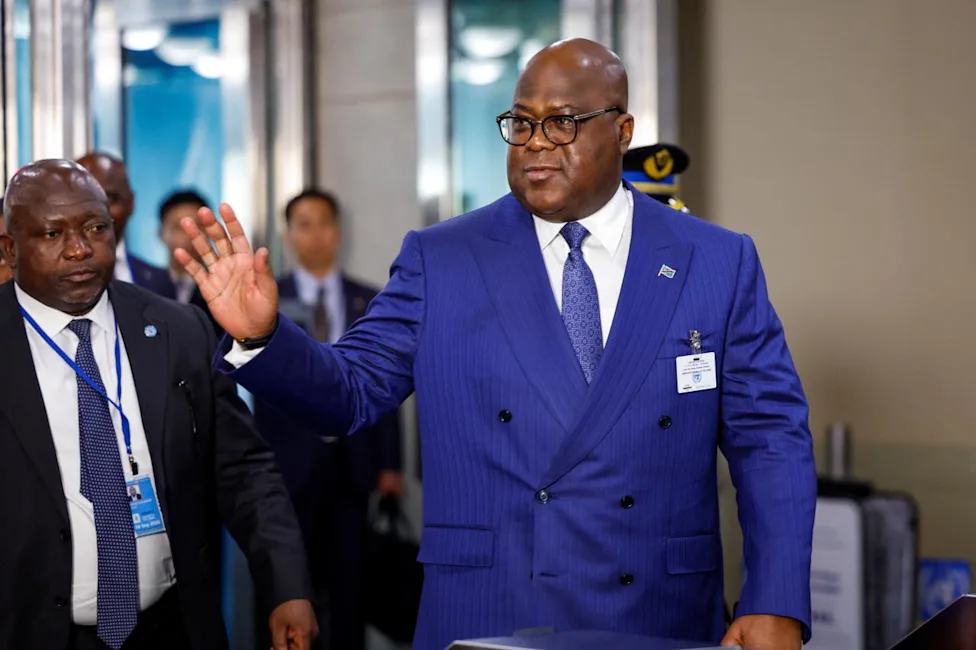
On Thursday, August 13, in a high-stakes political maneuver, President Félix Tshisekedi requested Parliament to reconsider a contentious bill that outlines the conditions for organizing a constitutional reform referendum. This legislative proposal, championed by the ruling party since 2024, has sparked intense debate over its potential to enable the president to seek a third term—a move critics argue violates the 2006 Constitution.
The opposition coalition, Article 64 (C64), which unites major political forces, has been vocal in its opposition. Formed in May, C64 had set a strict “countdown” deadline, warning that unless the president took decisive action to initiate a national dialogue, they would escalate pressure through mass mobilizations. Dieudonné Bolengetenge, Secretary-General of Ensemble pour la République and C64 spokesperson, emphasized on August 12 in Kinshasa that the coalition would no longer heed calls for restraint without concrete progress.
The coalition had scheduled a major demonstration for August 15 in Kinshasa to assess the government’s response. They called on the public to “mobilize and resist” if the controversial referendum bill was not withdrawn from parliamentary consideration. This stance was reiterated in a communiqué issued in May by one of the country’s leading media outlets.
Tshisekedi’s concession: a cautious move
While President Tshisekedi’s decision to seek a parliamentary review represents a tactical retreat, it falls short of the coalition’s demands. Nevertheless, Prince Epenge, co-founder of C64, described the move as “a small step in the right direction.”
The originally planned July 22 march in Kinshasa had been postponed following appeals from the Catholic and Protestant churches of the DRC. The religious leaders urged political actors to prioritize dialogue over confrontation to prevent further escalation of tensions.
Civil society joins the chorus of dissent
In a joint memorandum submitted to President Tshisekedi and national institutions on August 10, 65 civil society organizations warned against proceeding with the constitutional reform referendum. They cautioned that such an initiative could “exacerbate political tensions, deepen social divisions, and divert national institutions from addressing urgent priorities.”
