

In Republic of the Congo, legislation is clear: instruction is mandatory for children aged 6 to 16. Ported by law n° 21/2011 relative to general education orientation, this measure aims to ensure access to learning for every young resident in the country, whether Congolese or foreigner. However, a persistent gap exists between laws and reality on the ground. In response, the state has decided to engage a strong fight against child labor.
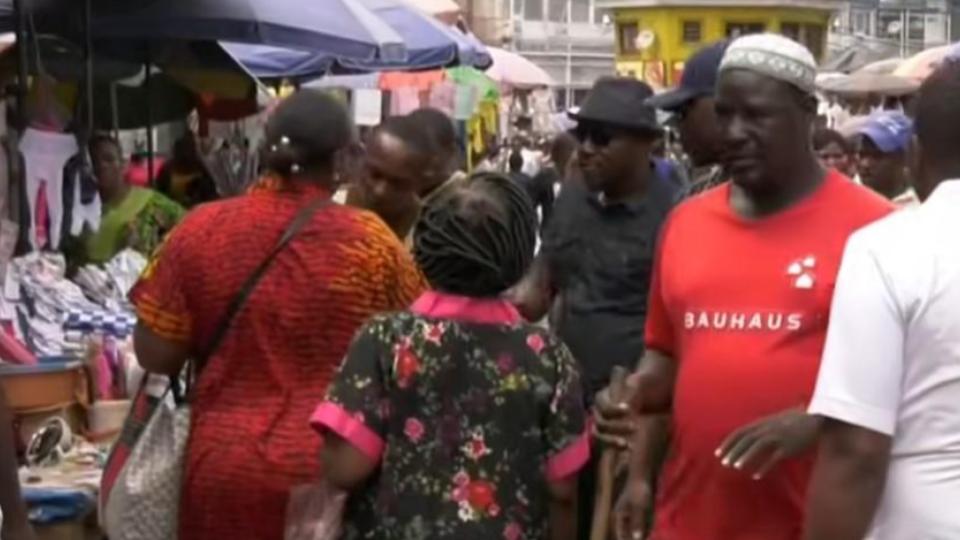
A joint mission, involving teams from the Ministry of Justice, security forces, and Social Affairs, was deployed in commercial zones and markets in Libreville. This nationwide initiative marks a firm will to track down infractions and restore children’s fundamental right to education.
Child Exploitation Hidden Behind Economic Necessity
For Gladys Victoire Maganga, Director of Social Affairs and Youth Protection, the situation demands absolute firmness. She emphasizes that child labor is not an economic necessity, but a crime punishable by law. On the ground, this phenomenon takes many forms, ranging from forced labor to domestic work, passing through human trafficking. While foreign-sourced labor historically came from West Africa, national miners are now taking over.
Young people’s testimonies highlight the complexity of their situation. Some explain working informally to help support family expenses or finance their own school supplies. However, this early involvement engenders severe physical and psychological consequences, while severely compromising their education.
Tackling Child Labor Networks
This government offensive will not be limited to sporadic checks. Deployed nationwide, this operation aims to create a precise map of child labor networks and mechanisms. The final goal is twofold: identifying those who command these illegal activities and bringing them before justice, as well as providing state-wide support for children exiting these circuits. By targeting the root cause, the Gabon government reaffirms its determination to protect its youth.